A coloring birthday party
Six four-year-olds around one table, fifty minutes to fill. That is exactly what these sheets are good at — here is how to set it up.
What to print
For six children: 18 sheets in all, printed the night before. Every page comes out on A4, ready to color.
6 different pages, one per child
Six different drawings, not the same one six times: the first thing a child does at a table is look at the neighbor’s sheet.
2 spare pages
There is always one child who starts over, and another who arrives late. Two sheets in hand head off the only real crisis of the day.
4 copies of the same page, for the giant coloring
Taped together on the back, they make an A2 that four children color at the same time, each from their own side.
6 copies of the place-card design
Colored the night before by the birthday child, cut out and glued onto a folded strip of card: that is their share of the party.
That makes 18 sheets. Print them the night before: a printer that runs out of ink on the day turns the party into a supermarket run.
What to set out
Six lines, and nothing you won’t find in a kitchen drawer.
- Butcher paper or a wipe-clean cloth on the table: six children color wider than you expect.
- Six markers per child, and no more than six colors in all. Beyond that, children spend their time trading markers instead of coloring.
- Broad-tip markers rather than fine ones: around a table of six, nobody aims.
- Wide tape, to join the giant coloring from the back.
- Six rubber bands, to roll up the drawings at going-home time.
- One black marker for the adult: the first name on the back of every sheet, from the first minute.
The session in four parts
Fifty minutes at the table, plus ten minutes of setup. Children don’t sit fifty minutes over the same sheet: what holds a table is the change of activity, not the coloring itself.
- Part 1
The table, before they arrive
10 minutesLay down the paper, a place card at each seat, the markers in a pot in the middle, and one page face down in front of every chair. Children sit and find something to do right away: that is what saves you the milling around of the first quarter hour.
- Part 2
A sheet each
15 minutesEach child turns their sheet over and colors. No instructions, no model, no comparing. This is when the adult writes the names on the back, and when the parents leave without anyone noticing.
- Part 3
The giant coloring
20 minutesBring out the A2 you taped together beforehand and set it in the middle of the table. Four children color at the same time, each from their own side, and they share out the work by themselves. This is the part that lasts longest; the other two finish their own sheet and take over.
- Part 4
The ordering game, then home
15 minutesThe five sheets show the same mouse in five places — the grass, the school, the park, the beach, home. Shuffle them on the table and let the children arrange the day however they like: they tell it as they lay it out, and no two tables ever agree. Two minutes of play, and it starts again. Then everyone leaves with their own drawing, rolled up and held by a rubber band.
For the fourth part, take the sheets of Une souris verte — a little mouse goes through five places, one per sheet, and children put the day together their own way. The other series work just as well.
The colored place card
The only thing to prepare the night before, and the only one the birthday child makes alone.
- Print 6 copies of the present sheet: a big round box and a bow across the whole width, a shape that cuts out in three snips.
- The birthday child colors them the night before. It is their share of the party, and it keeps them busy for half an hour just when everyone else is getting worked up.
- Cut the box out of each sheet, glue it onto a strip of card folded lengthwise, and write the name with a marker on the half left free.
- Put one place card at each seat. Children look for their name as they arrive: the table is busy before the snack has even started.
The sheet for the design: The present. All the other party pages are further down.
Choosing by the age around the table
The same plan won’t hold for fifty minutes at 3 and at 6. What changes is the sheet.
A table of 3-year-olds
The sheets marked “Ages 2+”: wide areas, thick outlines, no detail required. One sheet holds ten to fifteen minutes, no more. Plan on two sheets per child and accept that none will be finished — at this age, a half-filled page is a page well done.
A table of 4- and 5-year-olds
The sheets marked “Ages 4+”: windows, clothes, small areas to stay inside of. Twenty to forty minutes on the same sheet, with a real wish to do it well. This is the age where the giant coloring works best, because they negotiate the borders between themselves.
A table of 6-year-olds
Sheets get finished fast at this age. Add a rule: fill the backgrounds with patterns, use only three colors, or add five things in pencil that are not in the drawing. Without that, the table gets up after twenty minutes.
Questions parents ask
How many coloring pages should I print for six children?
18 sheets: 6 different pages, 2 spares, 4 copies of the same page for the giant coloring, and 6 copies of the place-card design.
How long does a coloring table keep 4-year-olds busy?
About fifty minutes, as long as you change activity three times. A single sheet holds about twenty minutes; it is the giant coloring that stretches the session.
What do we do with the drawings at the end of the party?
Each child leaves with their own, rolled up and held by a rubber band. A finished drawing beats a bag of candy: it ends up on a fridge instead of in the bin.
The party sheets, and what to fill in with
The site has sheets on the “Party time” shelf. For a table of six, fill in with unicorns and animals: those are the ones children pick first.
 The little puppets
 The puppet theater
 The puppeteers
 The puppets
 The puppets' dance
 The turtles' party
 The party on the bridge
 The Christmas presents
 The spider and the stars
 Baby’s first birthday
 Best Dad Ever
 Best Dad Ever at the Barbecue
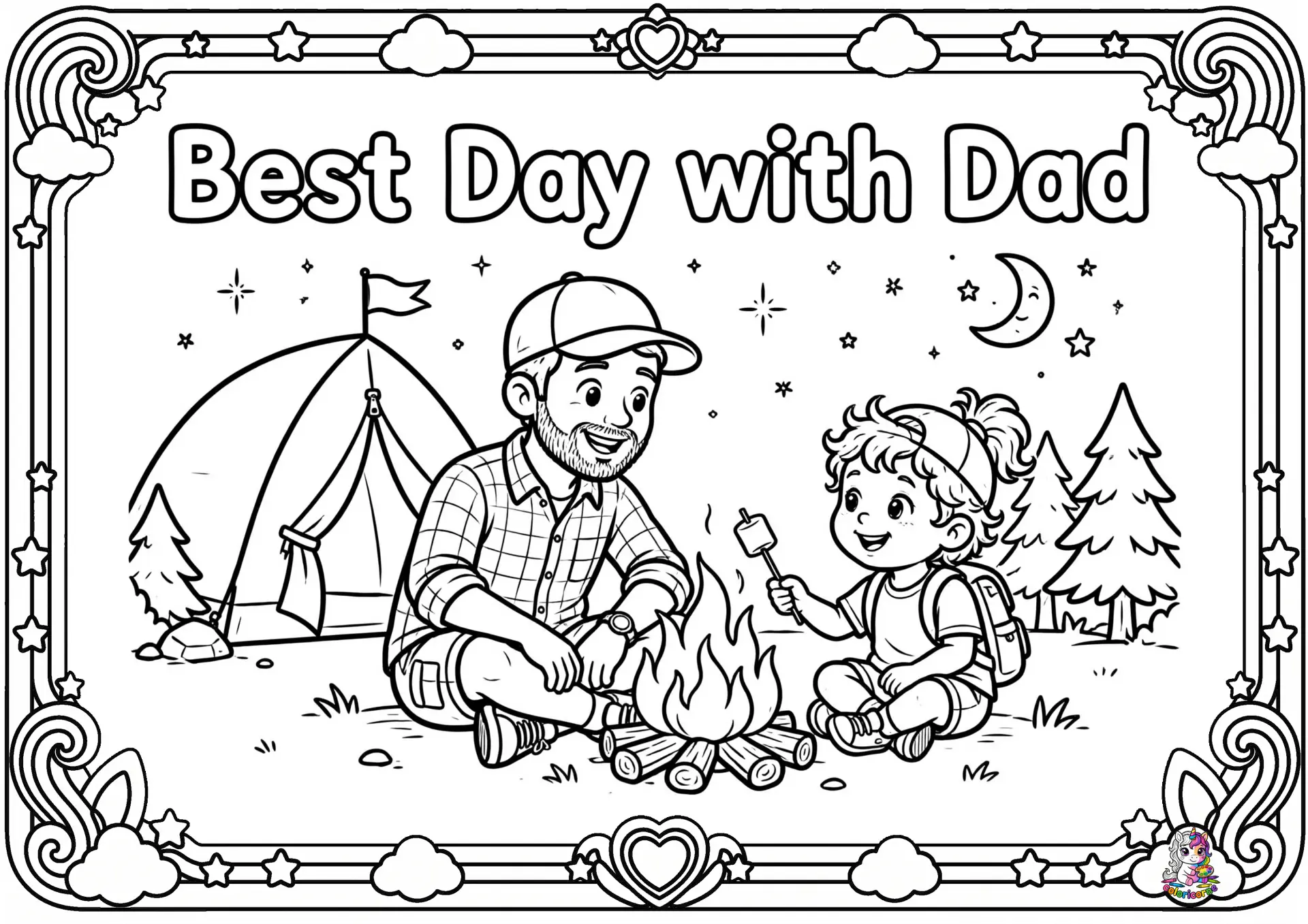 Best Day with Dad
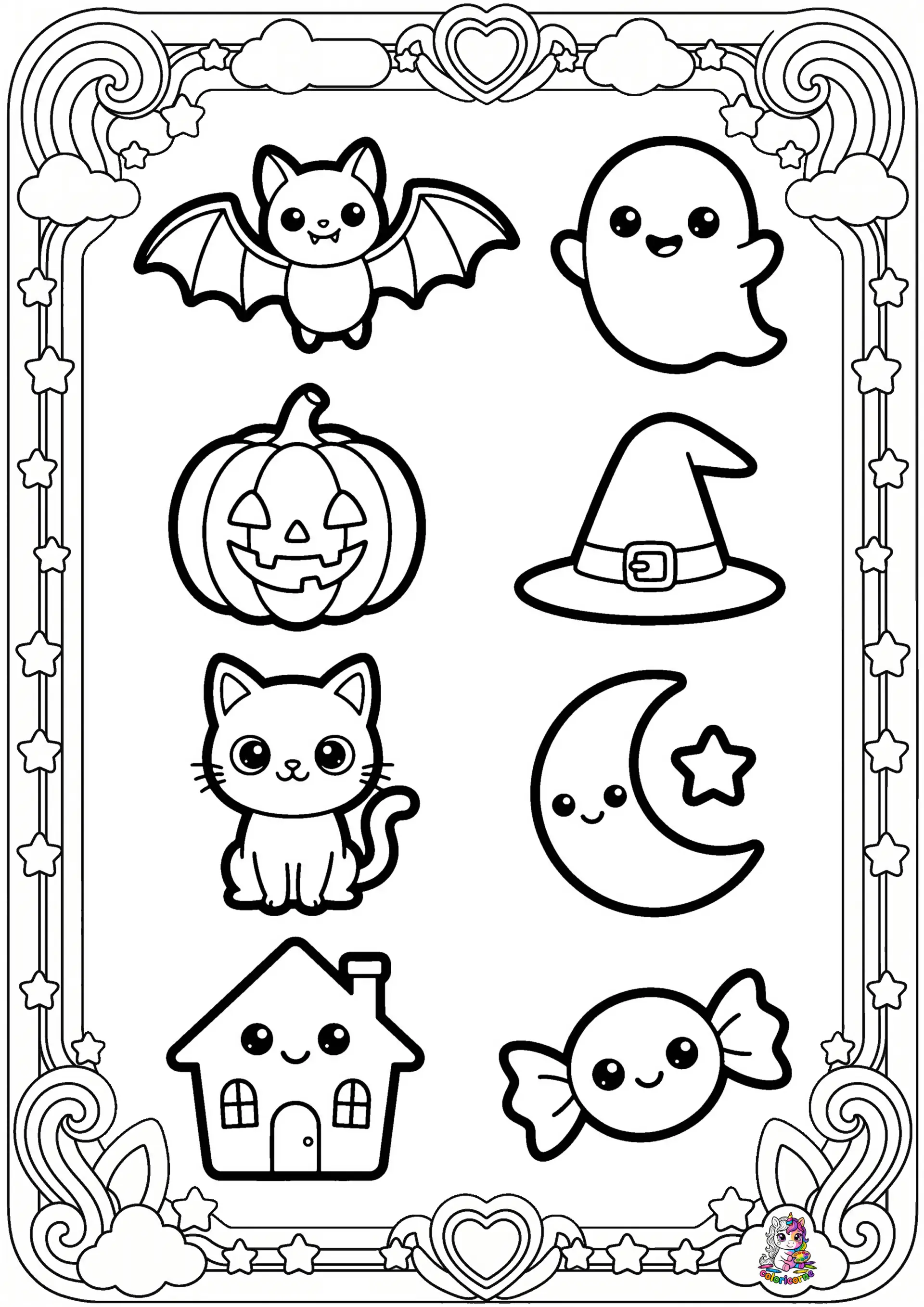 Eight Halloween shapes to cut out
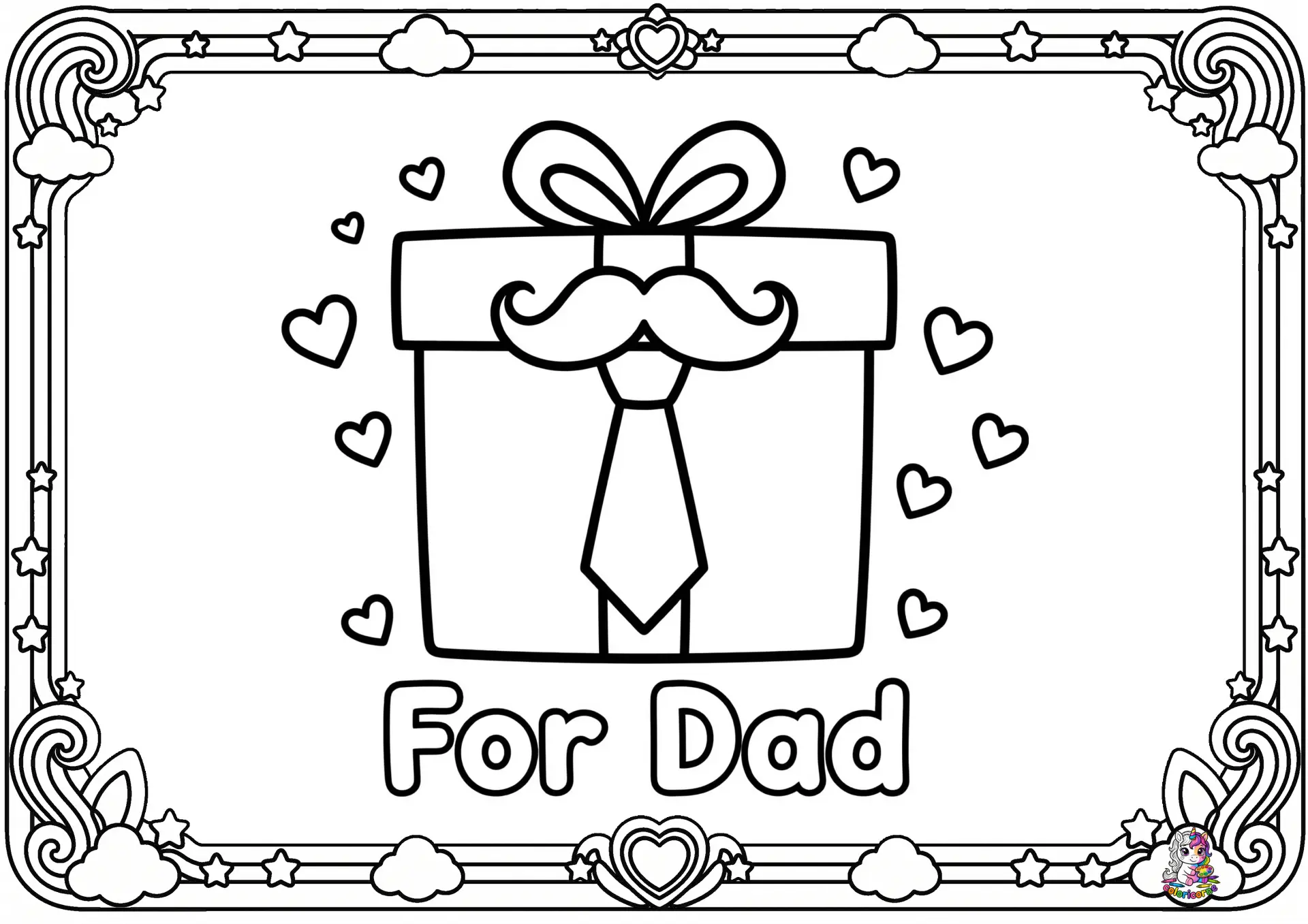 For Dad
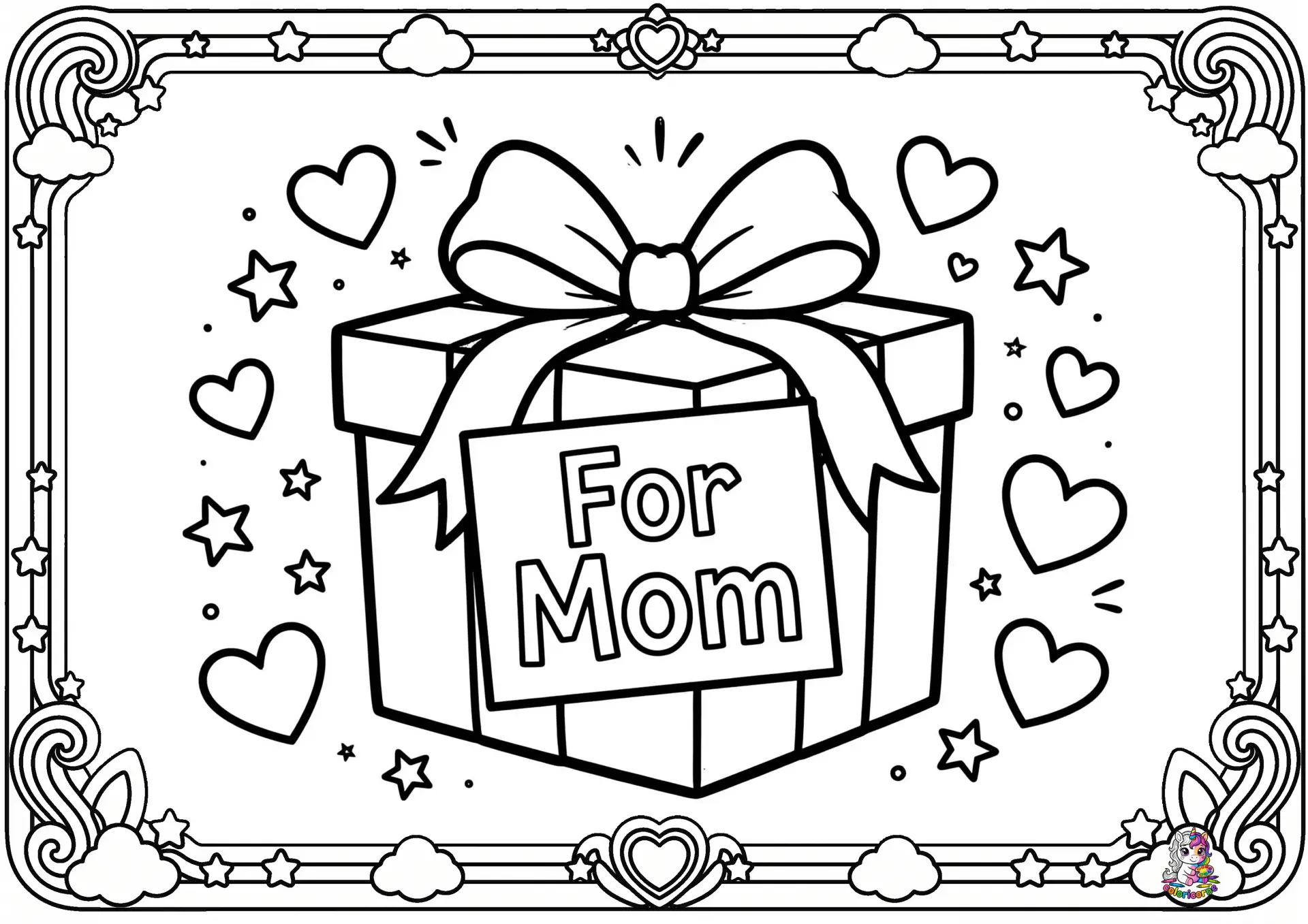 For Mom
 Halloween night under the sleeping moon
 Happy birthday
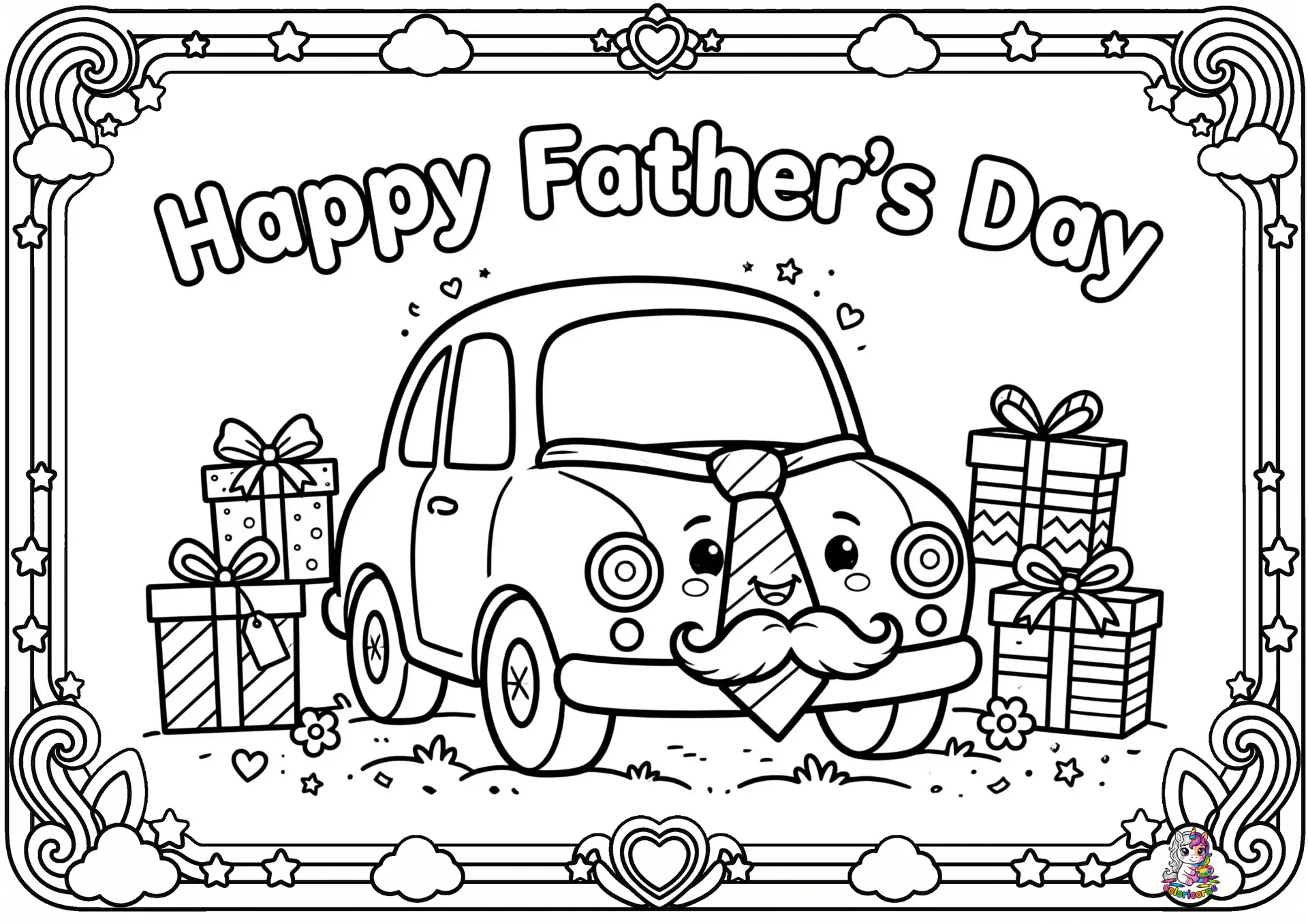 Happy Father’s Day
 Mom You Are Tea-riffic
 Musical chairs
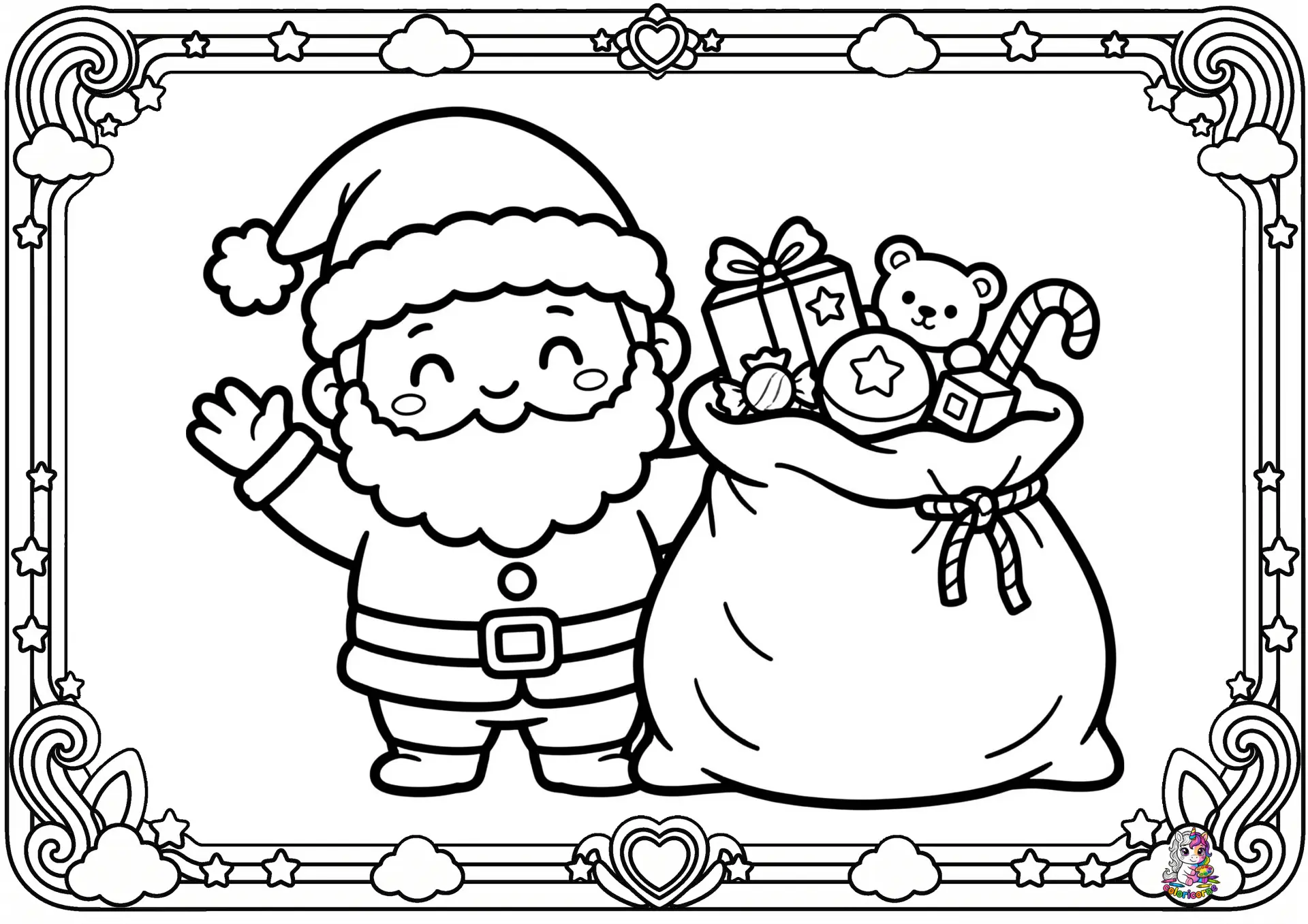 Santa and his full sack
 Santa baking
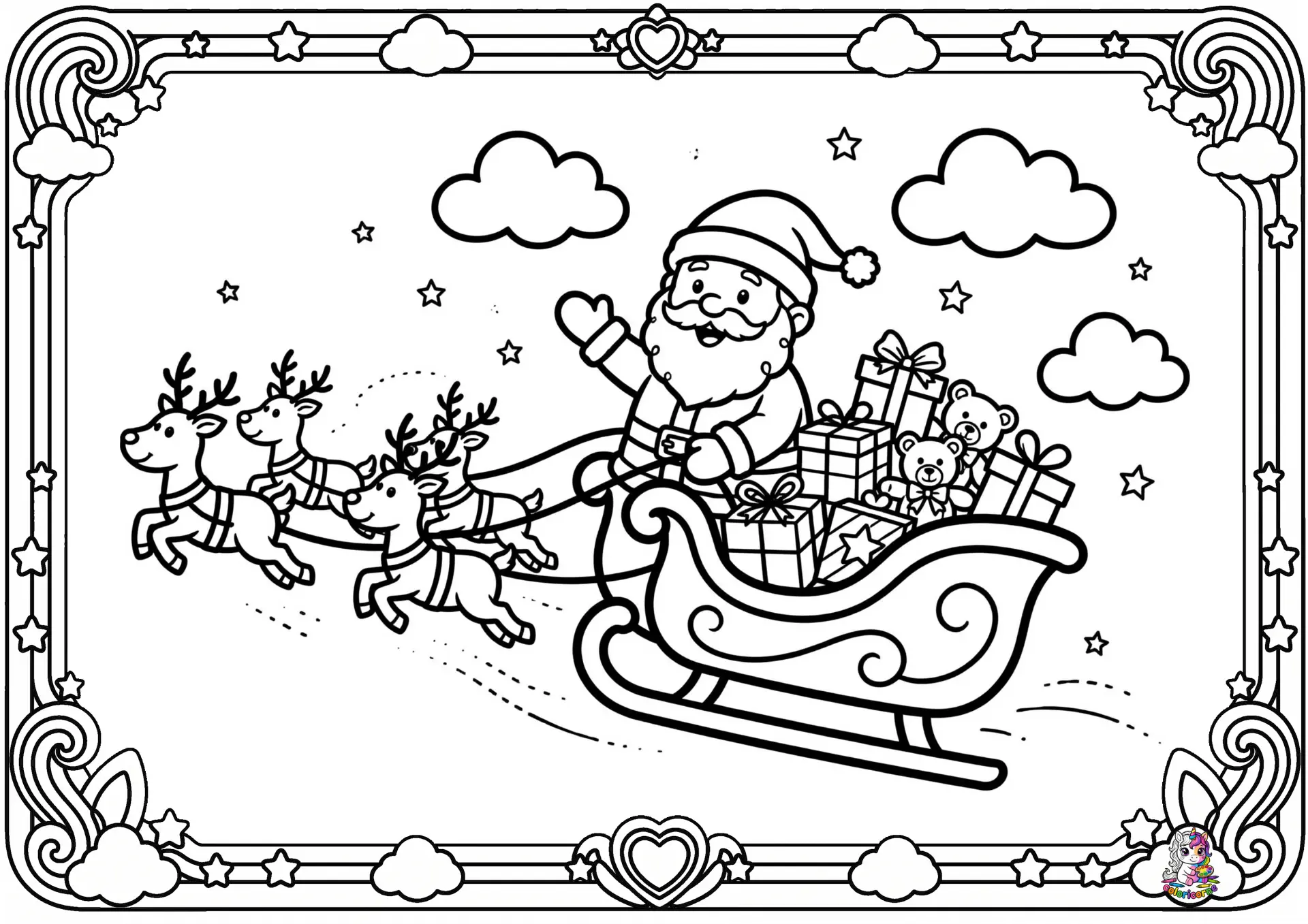 Santa in the starry sky
Show 252 more pages
 Santa on a surfboard
 Santa on his way with his sack
 Santa reading to the children
 Santa’s hat and the presents
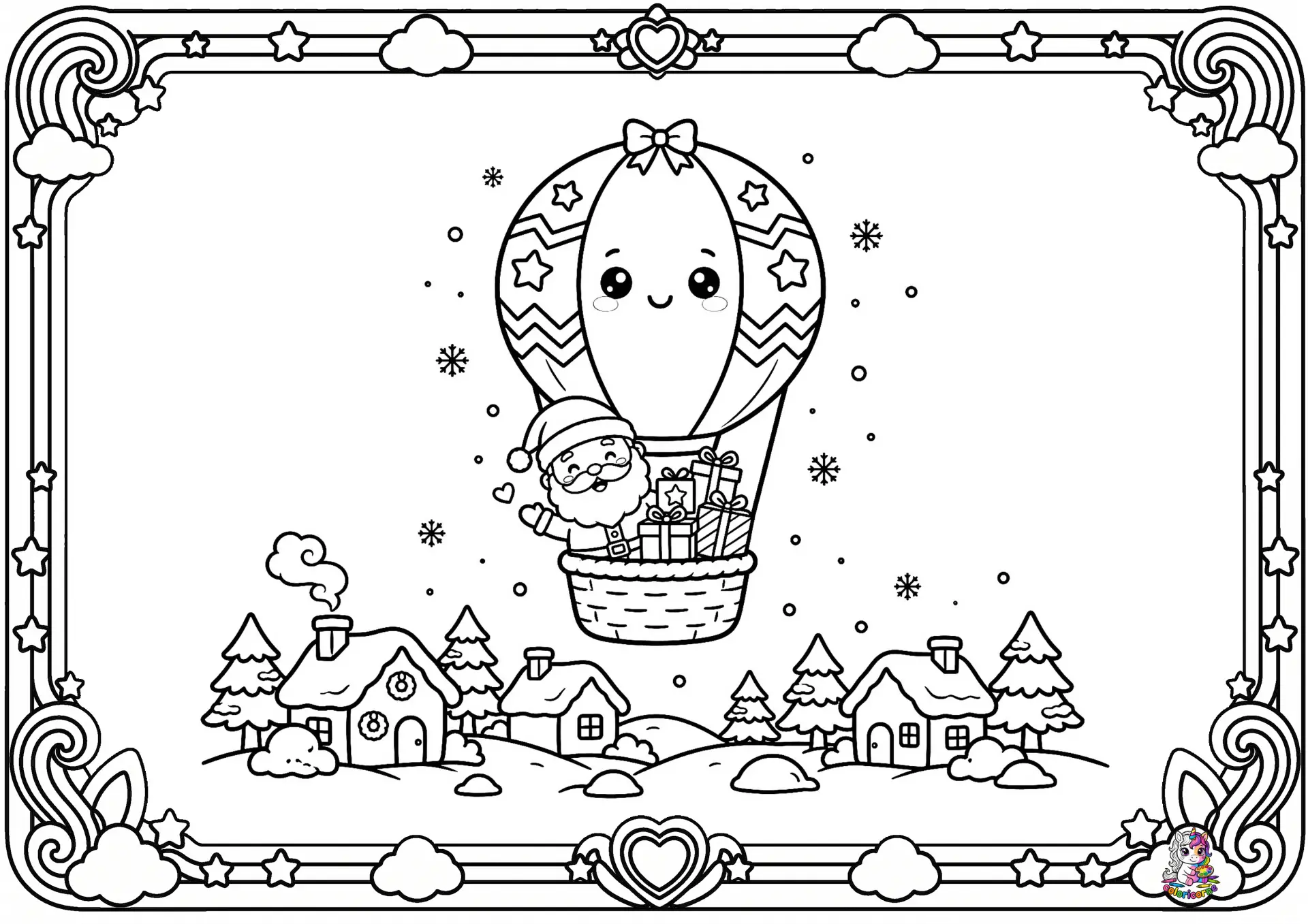 Santa’s hot-air balloon
 Santa’s mailbox
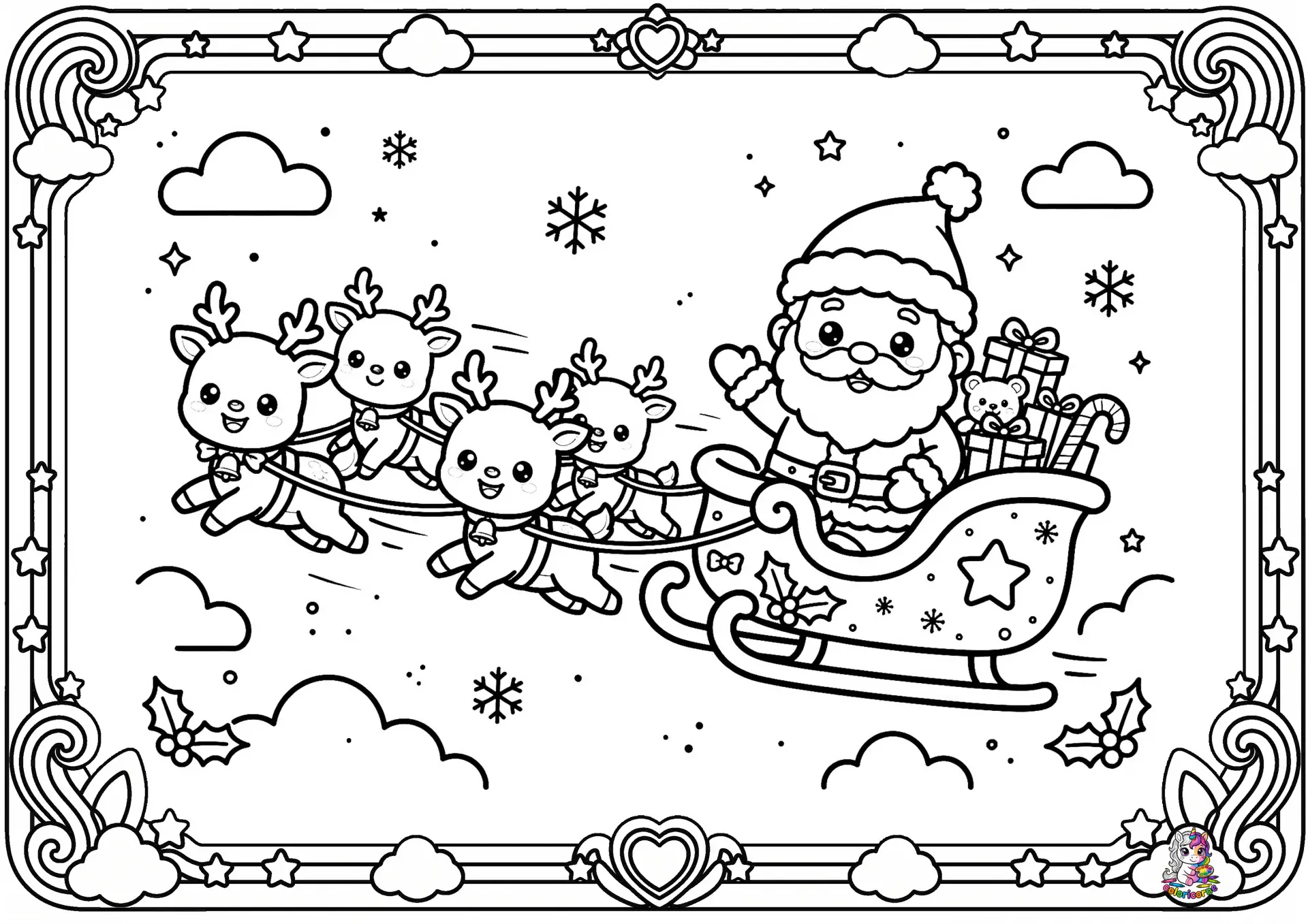 Santa’s sleigh
 Santa’s snack
 The basket of candy
 The basket of eggs among the flowers
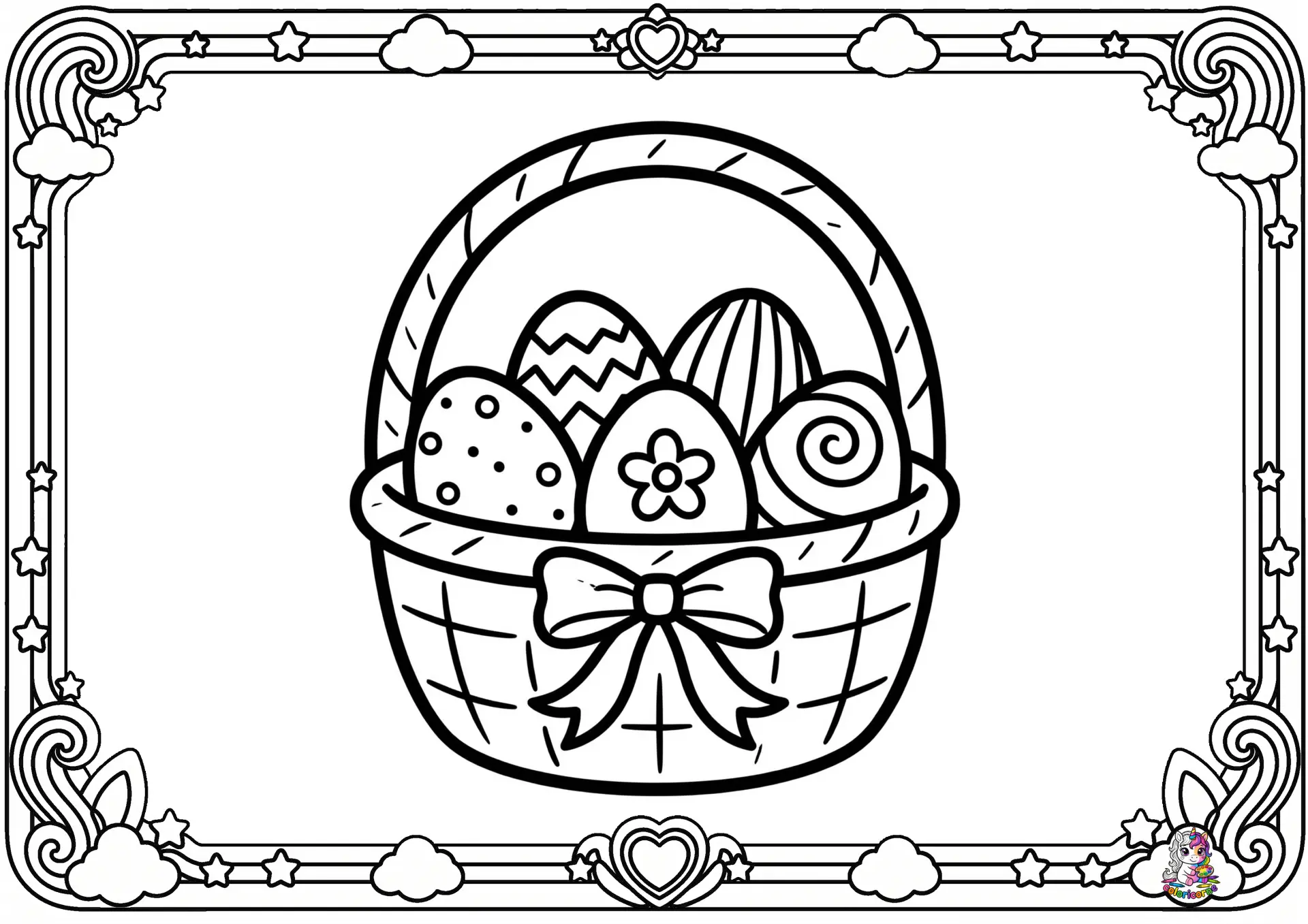 The basket of eggs with a big bow
 The bat and its candy bucket
 The bat and the smiling moon
 The bat asleep in the pumpkin
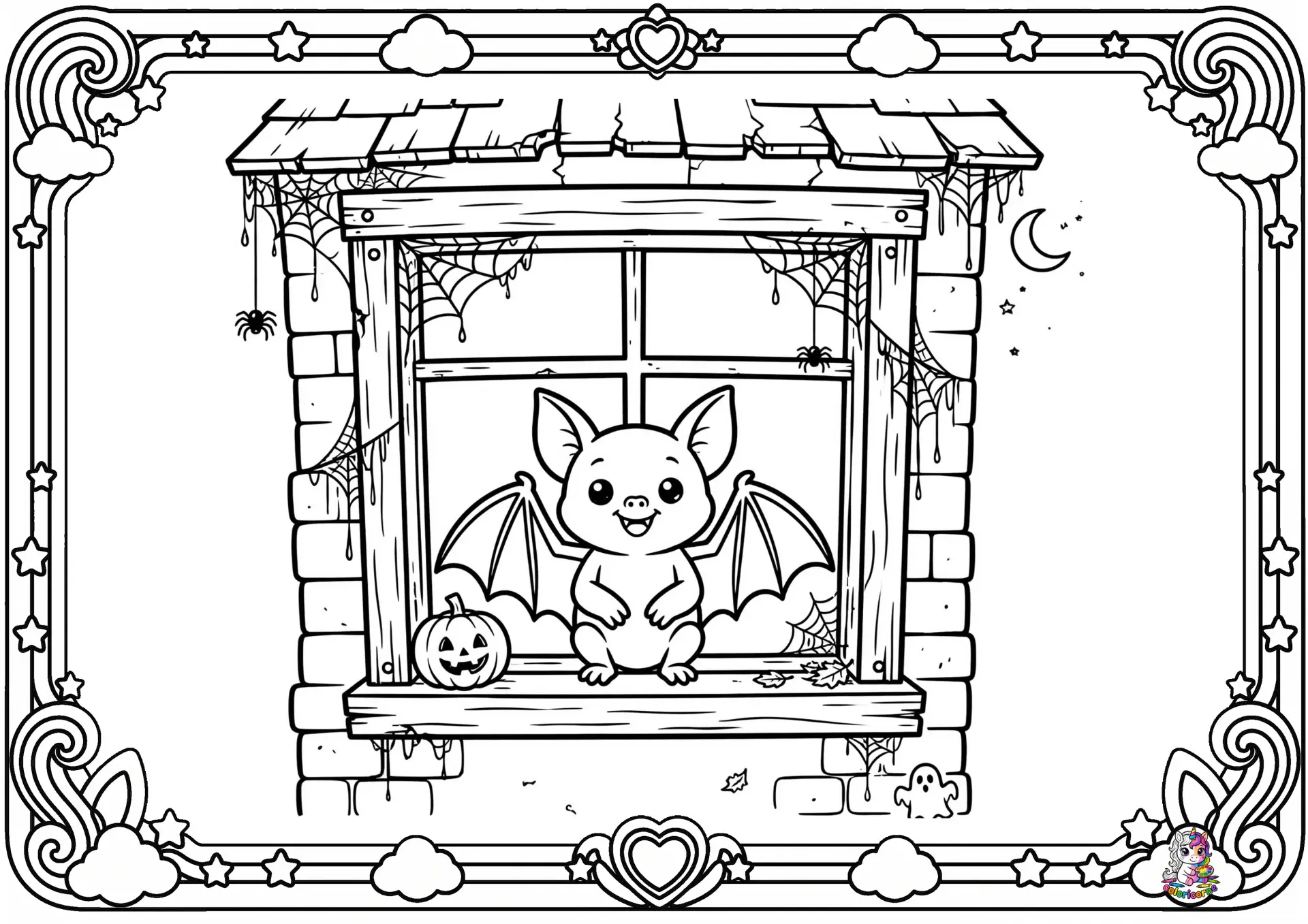 The bat at the window
 The bat family under the string of lights
 The bat in the witch hat
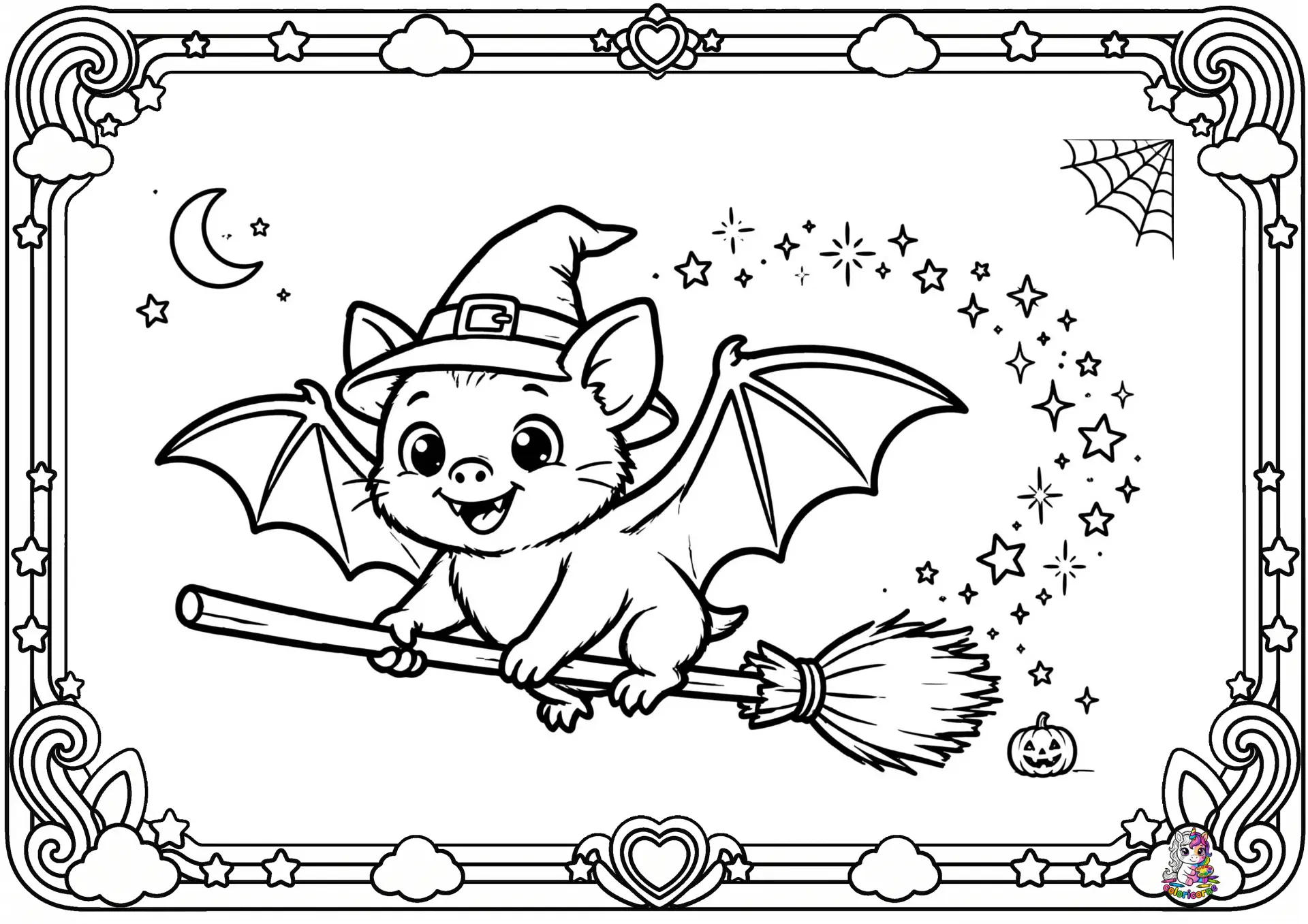 The bat on the broomstick
 The bats in front of the moon
 The big egg with hearts and stars
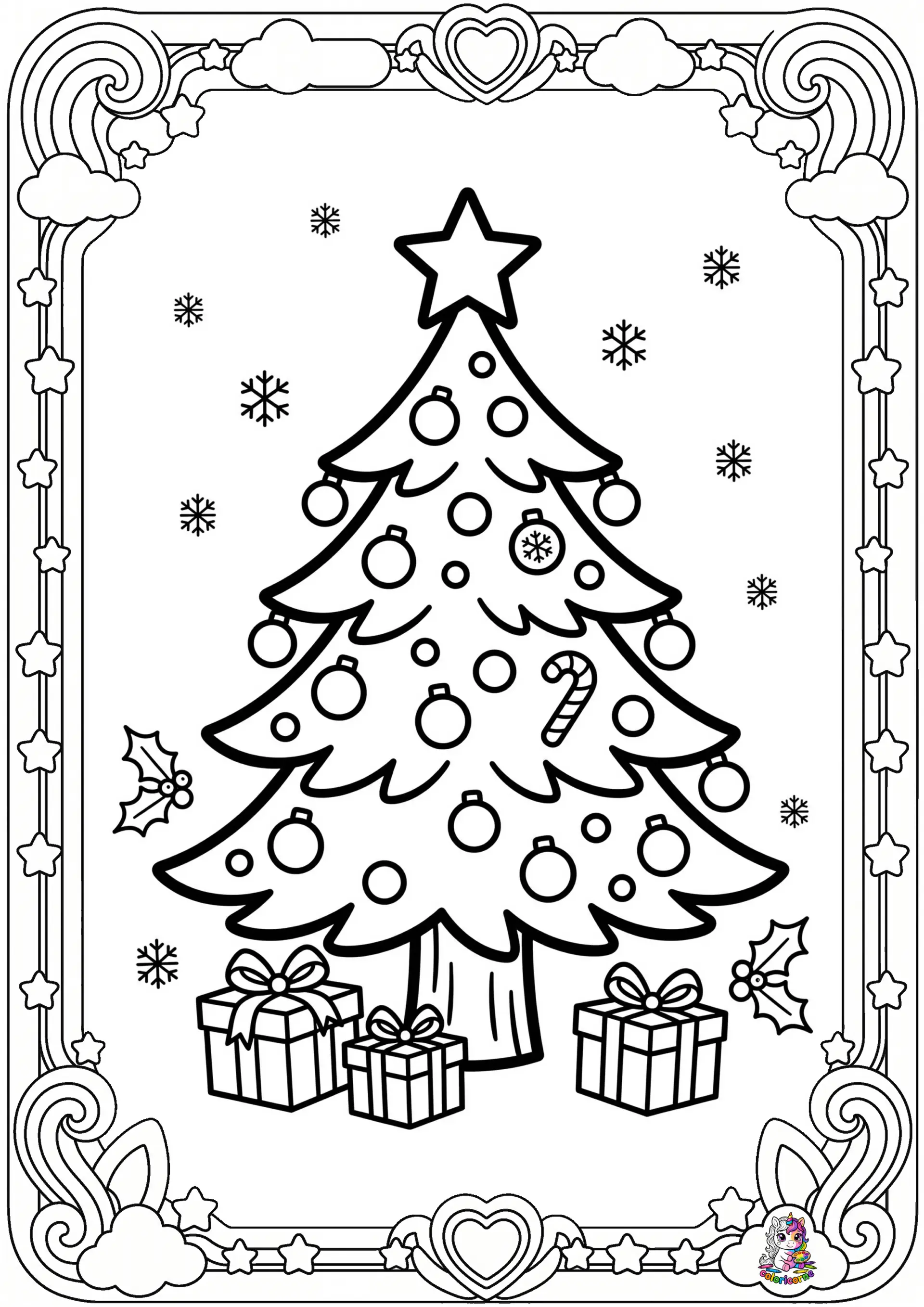 The big tree in the falling snow
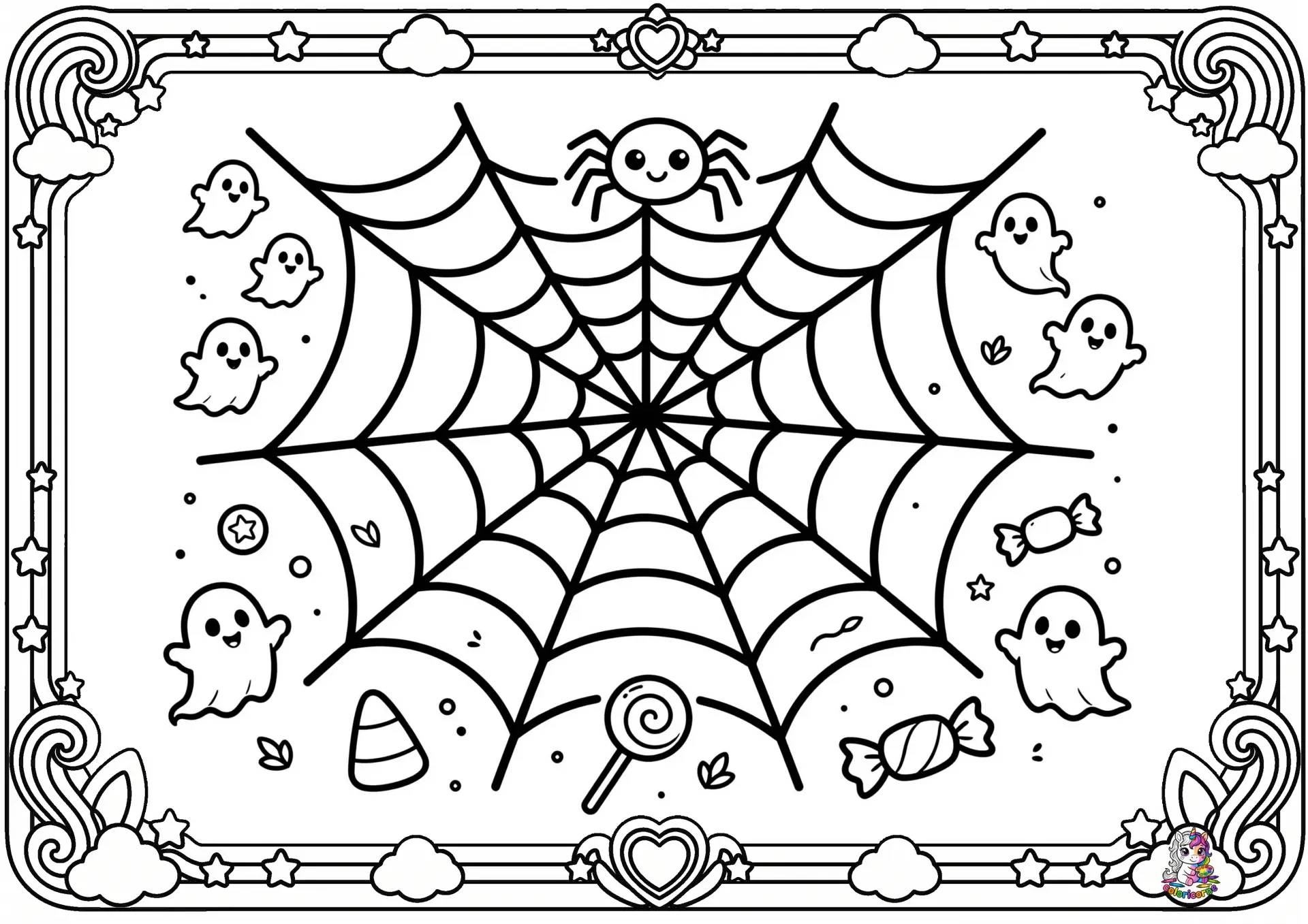 The big web and the little ghosts
 The birthday balloons
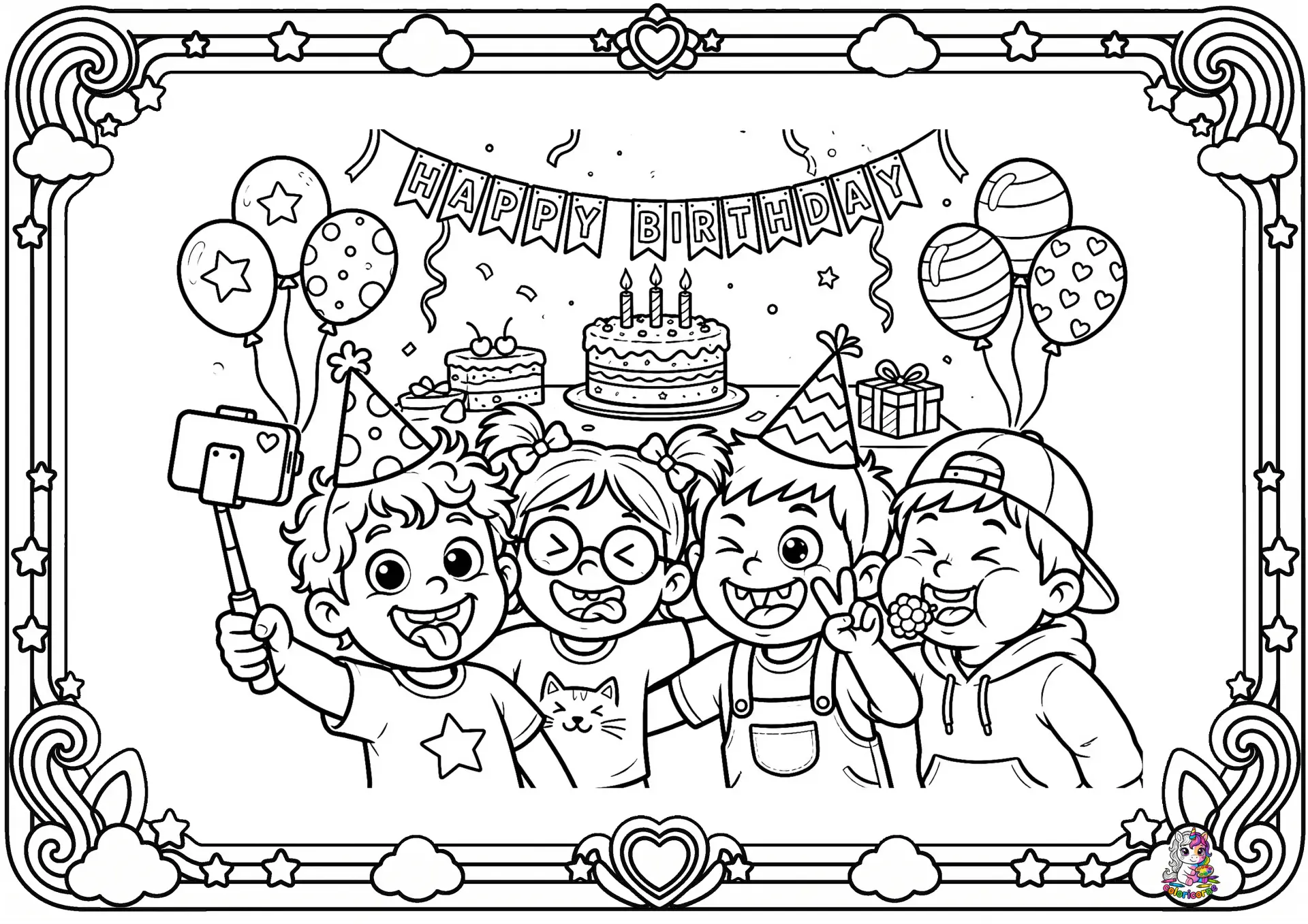 The birthday photo
 The birthday piñata
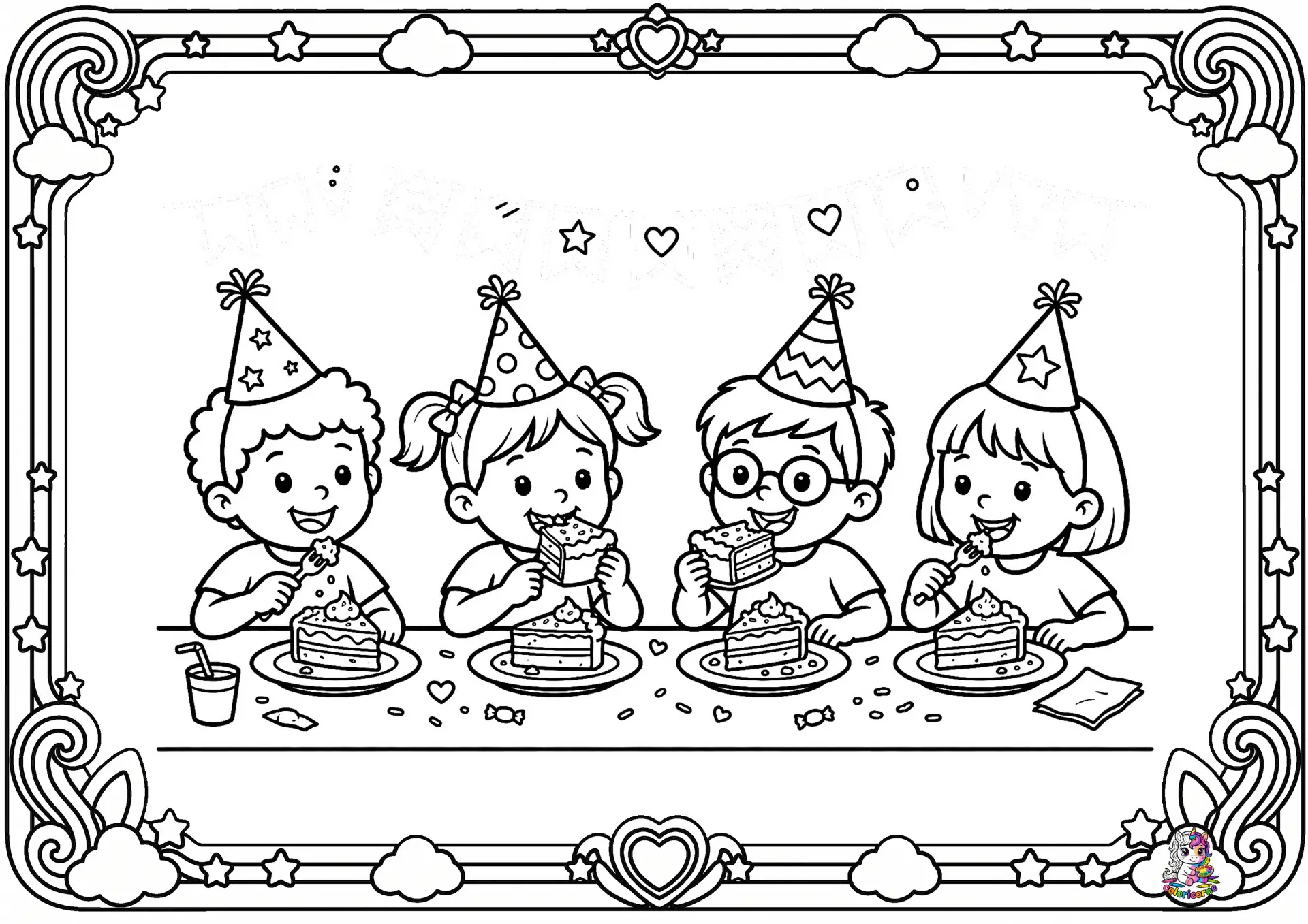 The birthday snack
 The bunny family and the Easter eggs
 The bunny hiding his eggs among the flowers
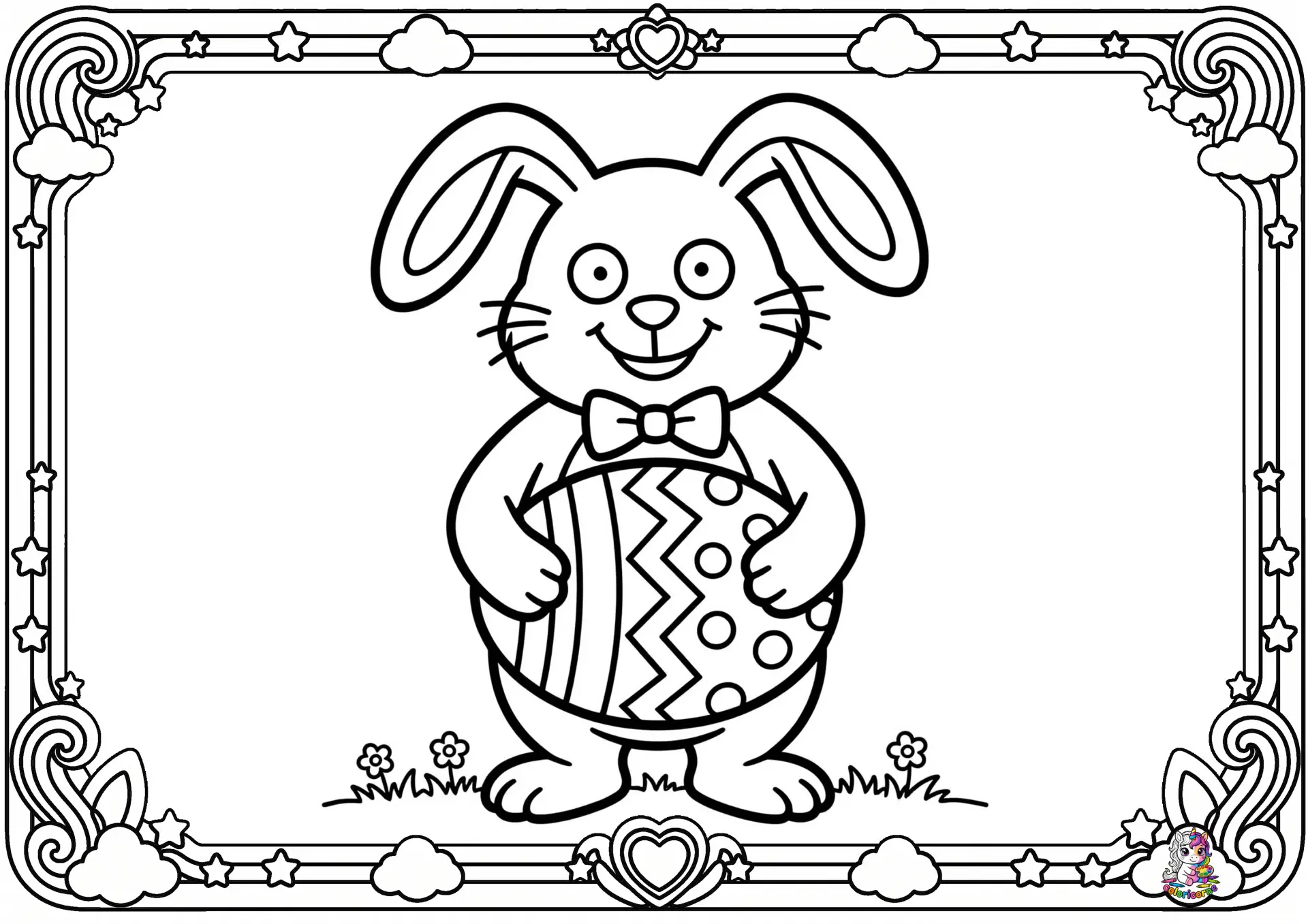 The bunny in a bow tie and his giant egg
 The bunny in a checked neckerchief and his wheelbarrow of eggs
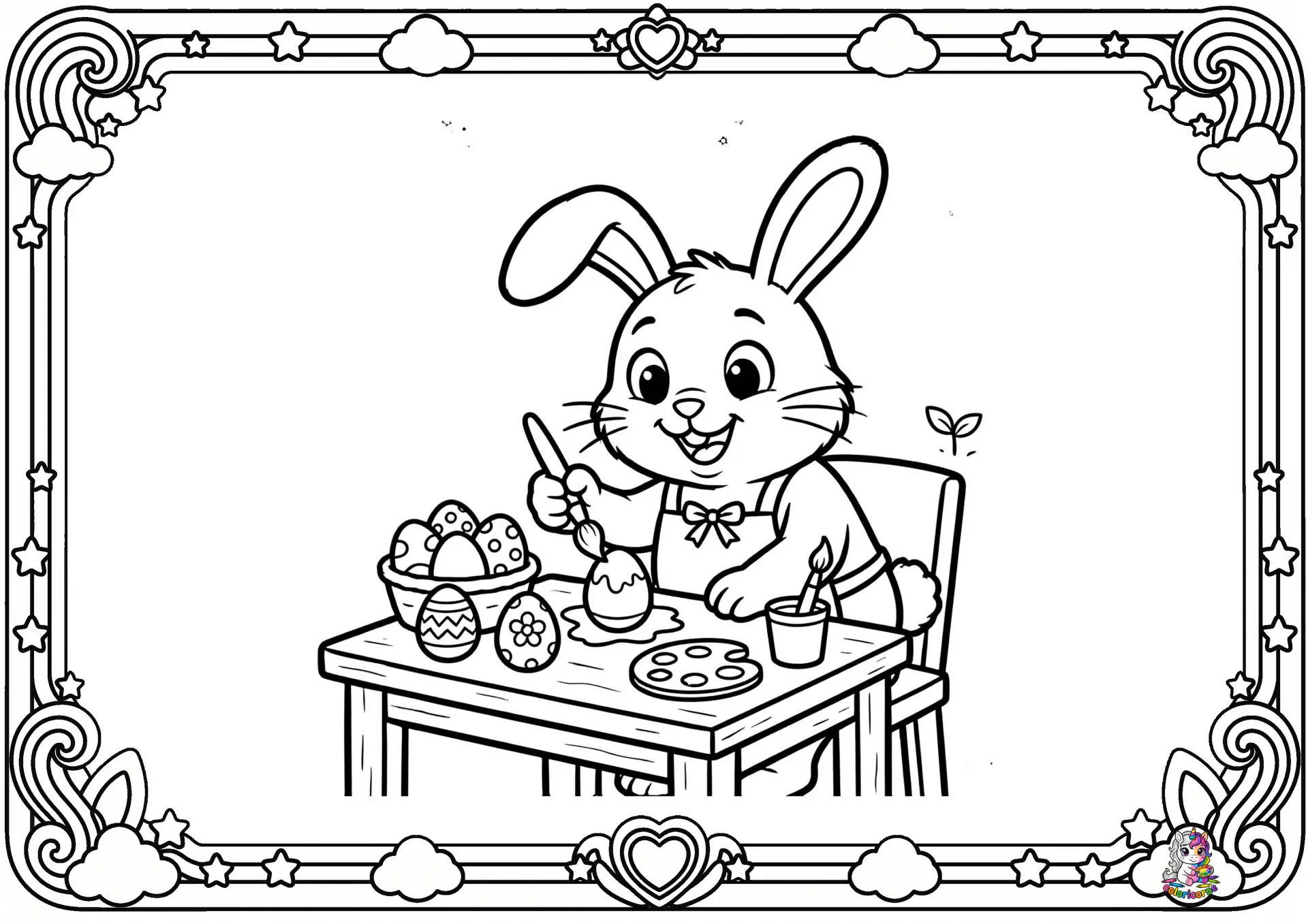 The bunny painting his eggs at the table
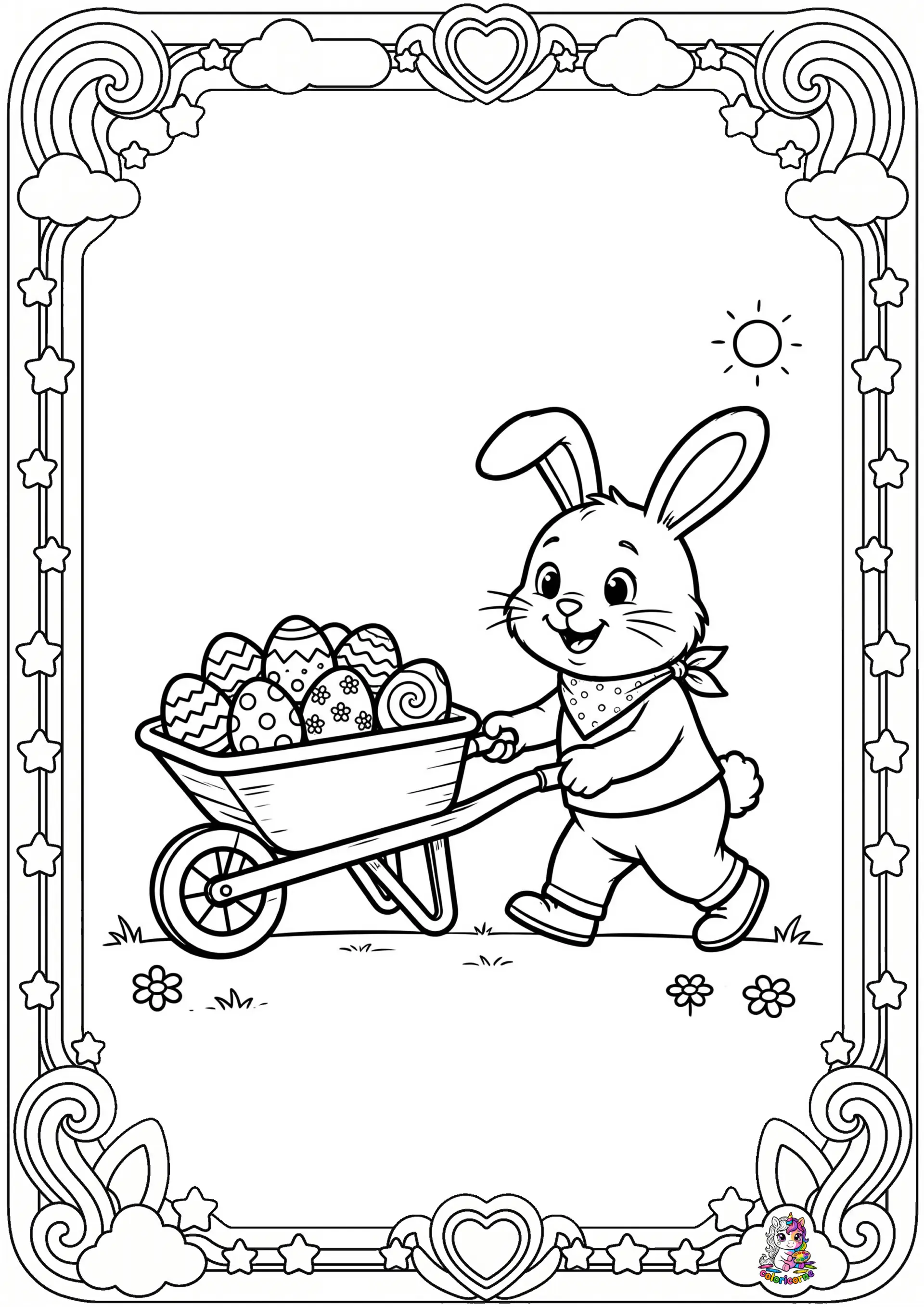 The bunny pushing his wheelbarrow of eggs
 The bunny running with his basket of eggs
 The bunny with a paintbrush and his three eggs
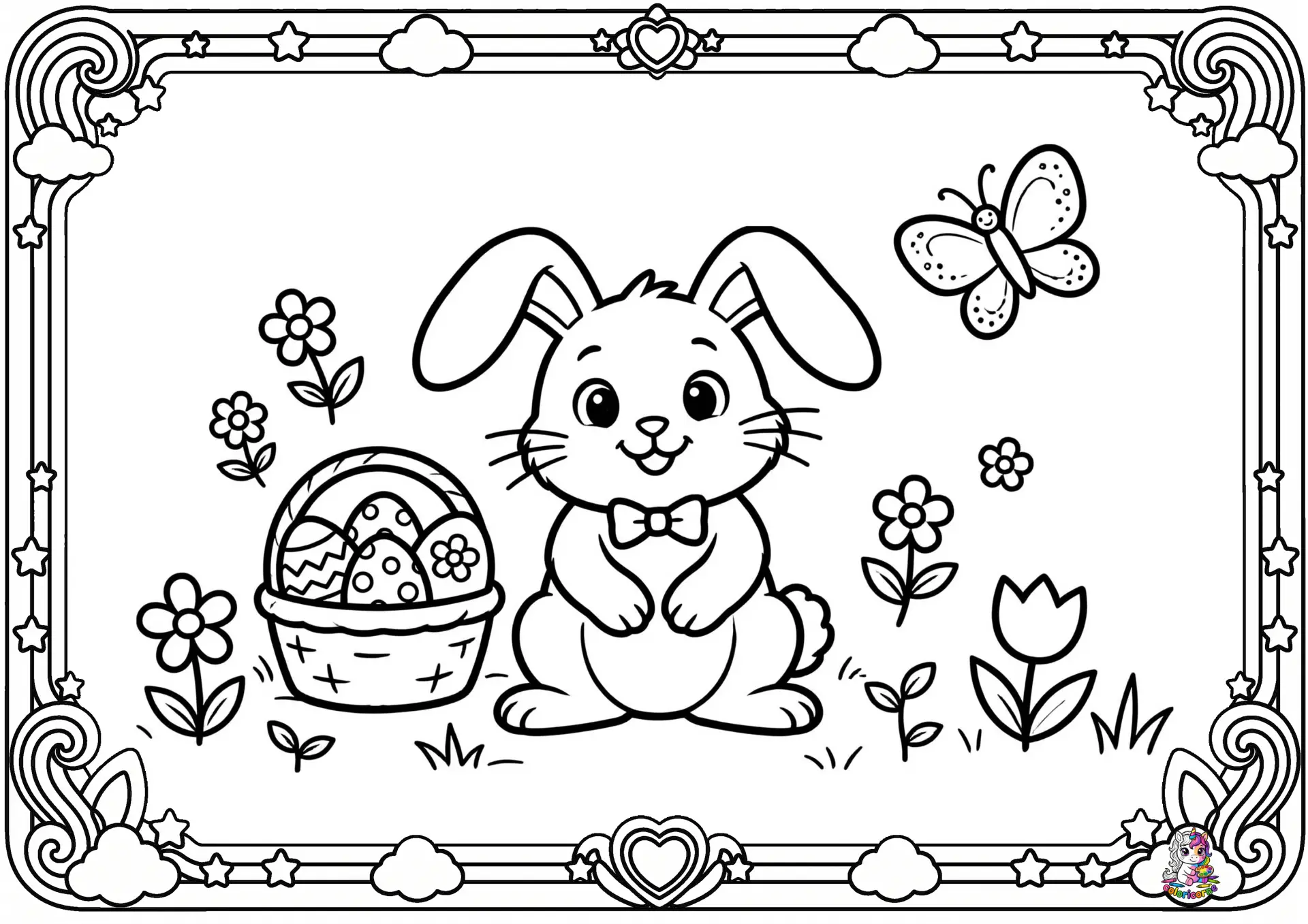 The bunny, his basket of eggs and the butterfly
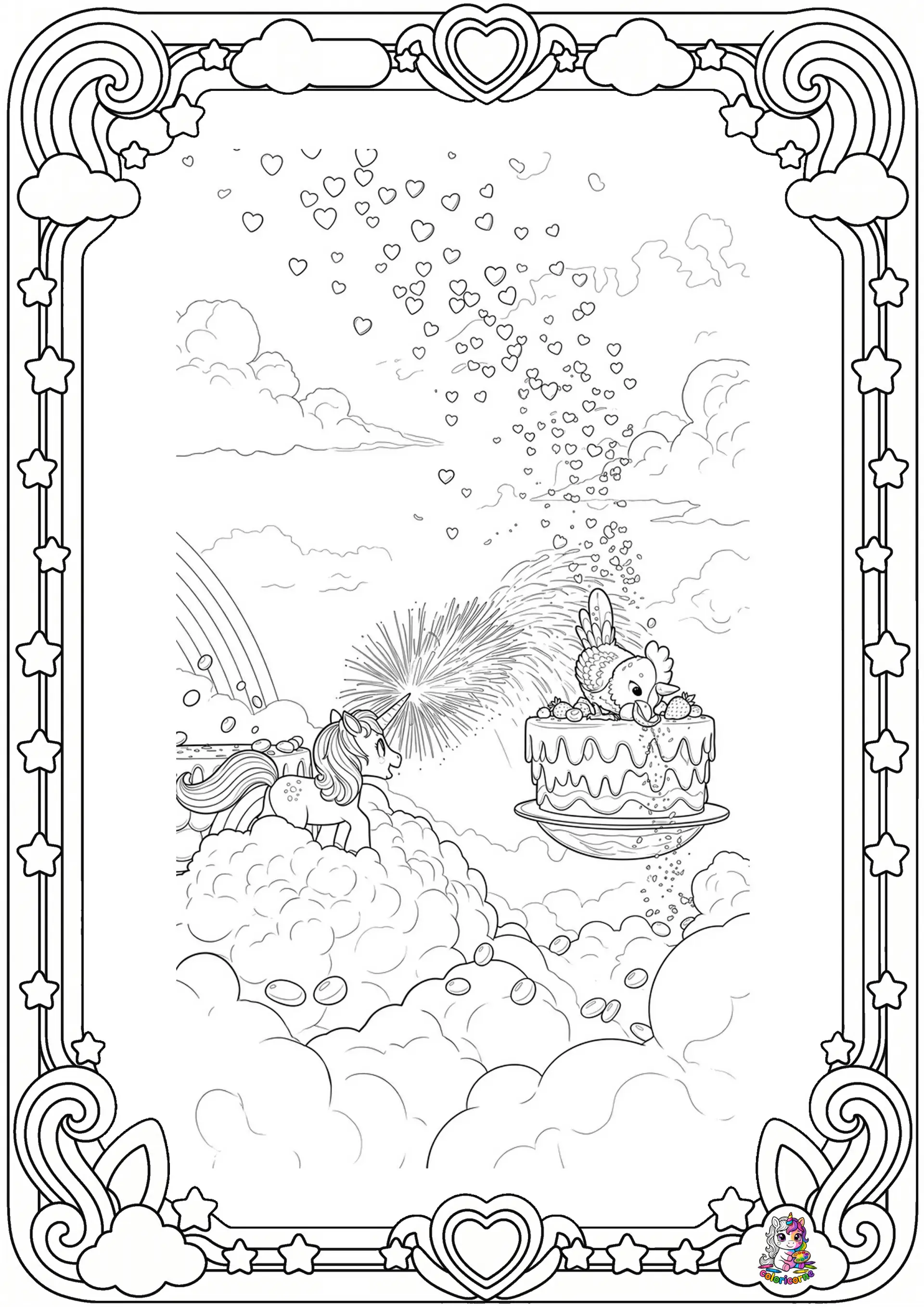 The cake in the clouds
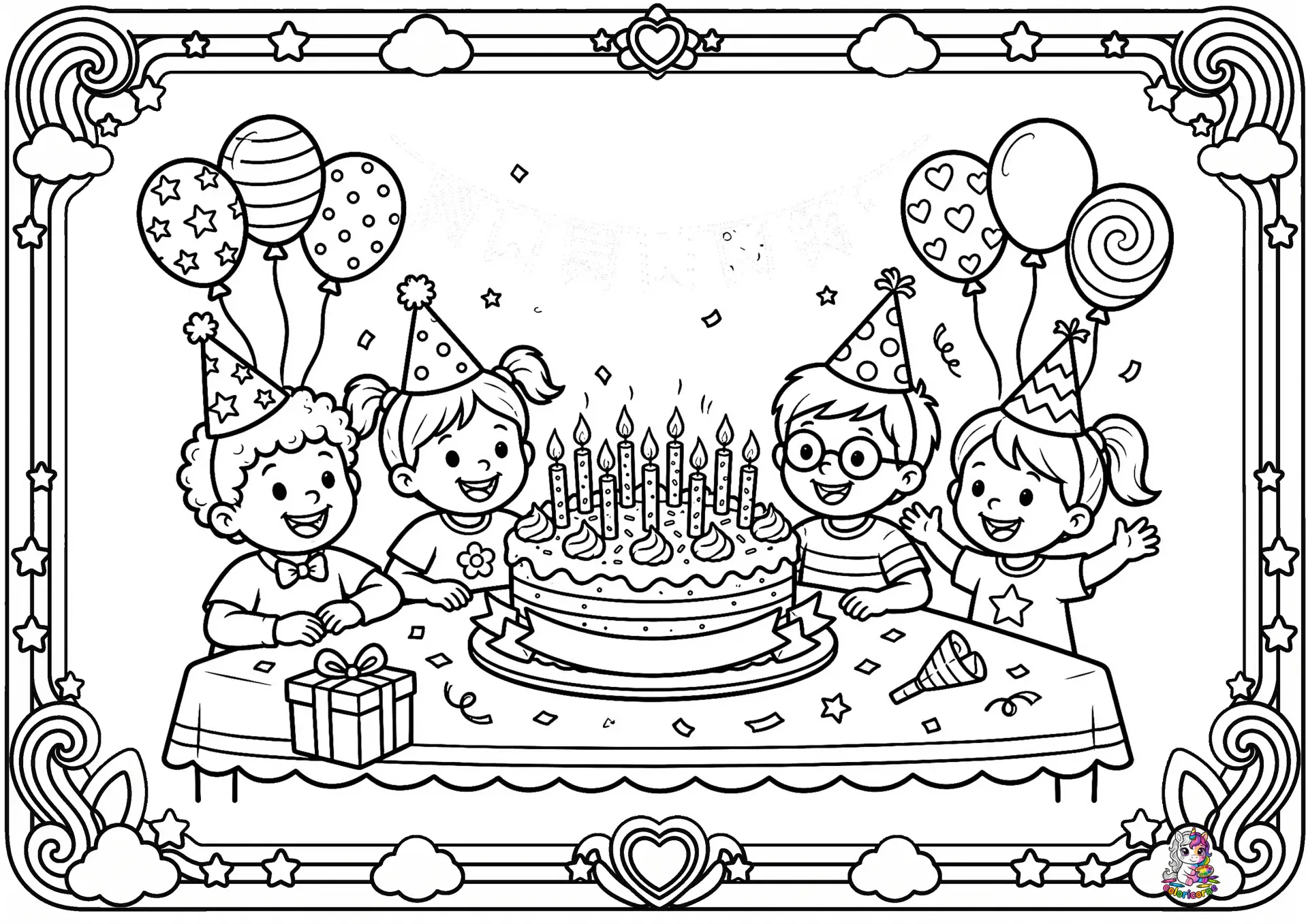 The cake with candles
 The candy bag
 The candy bag cut-outs
 The candy bucket and the lollipops
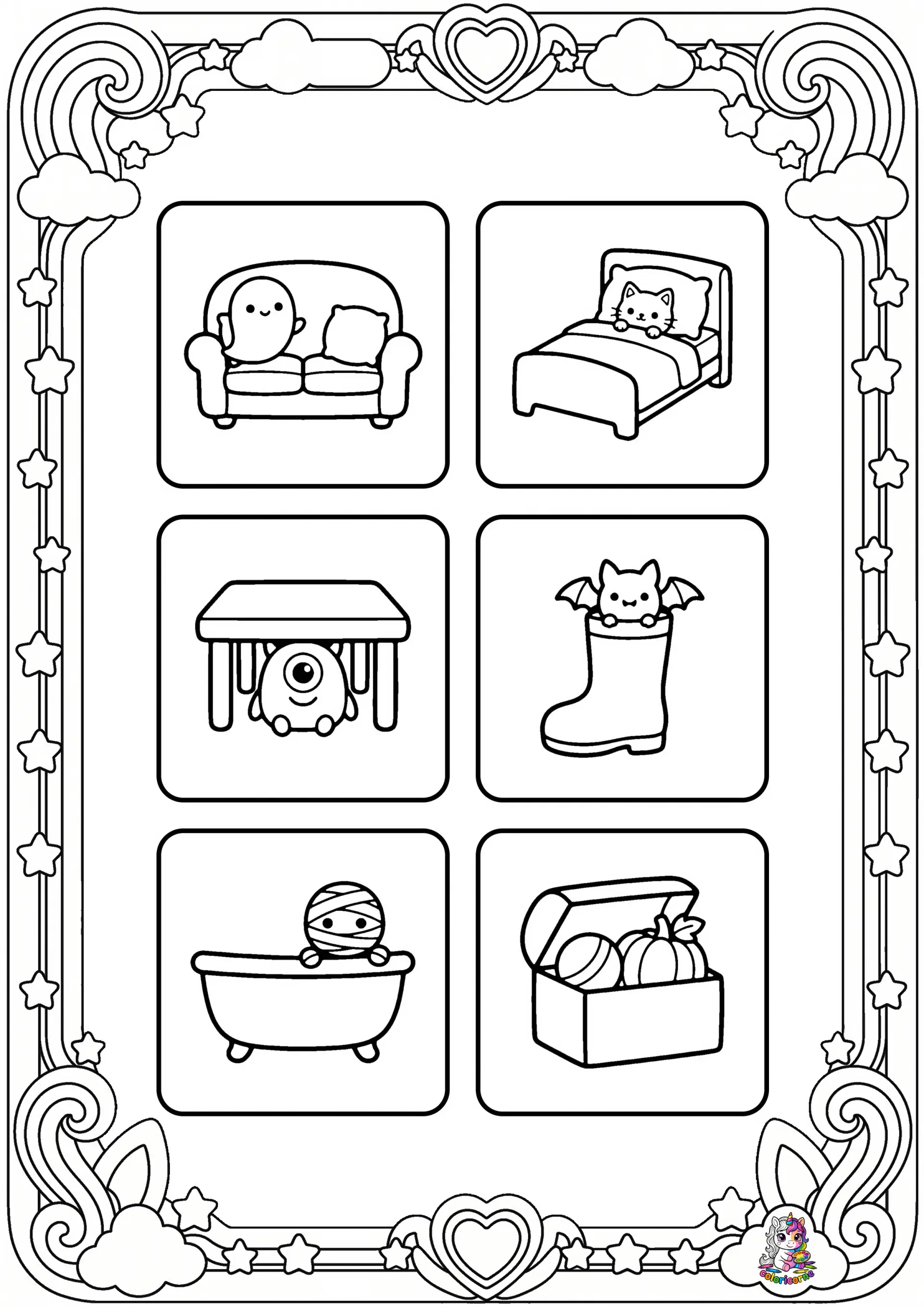 The candy hunt clue cards
 The candy wall
 The castle
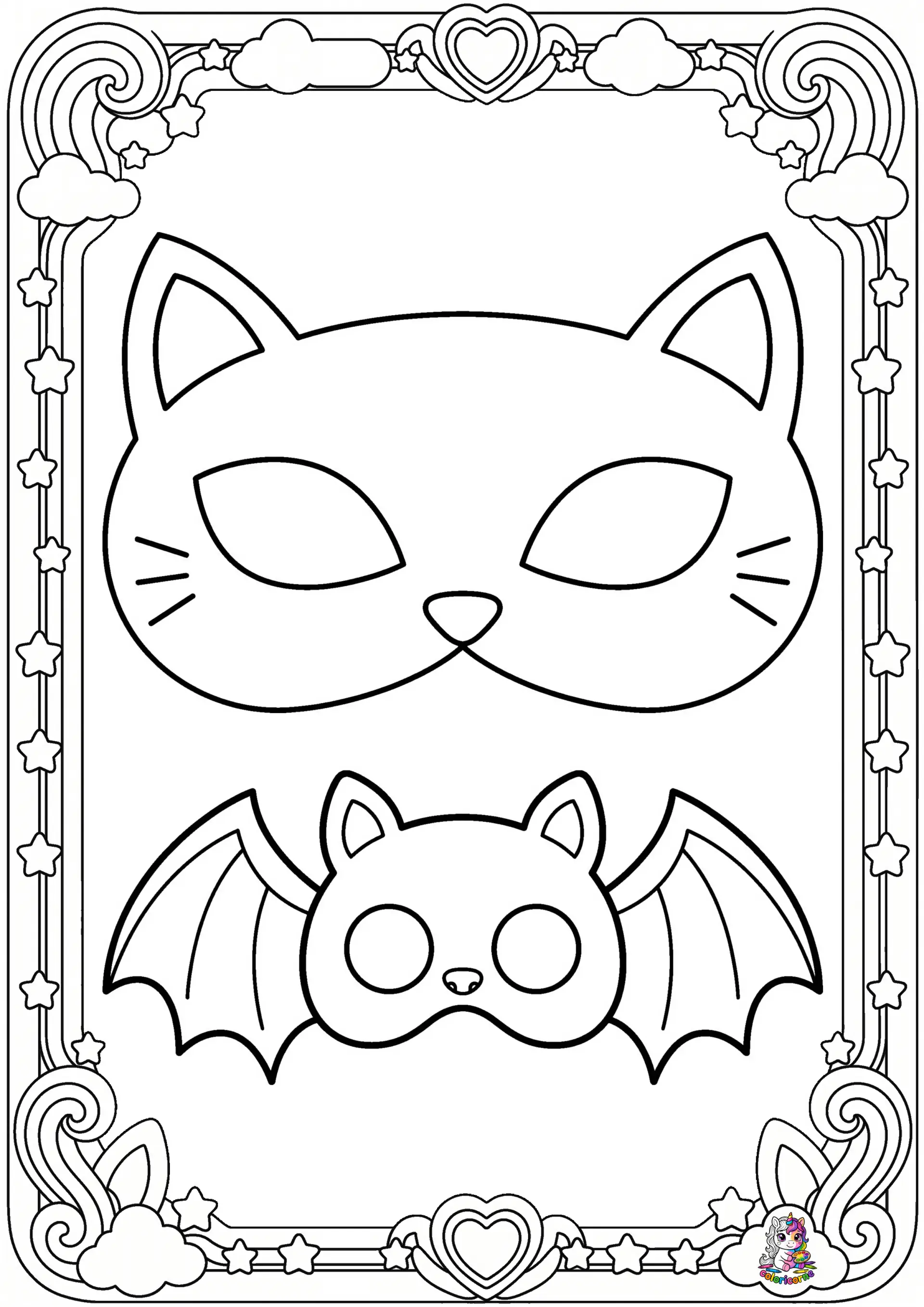 The cat and bat masks
 The cat asleep on the pumpkin
 The cat driving the pumpkin carriage
 The cat in the pumpkin
 The cat on the broomstick
 The cat under the tree
 The chick in the basket of eggs
 The children painting Easter eggs
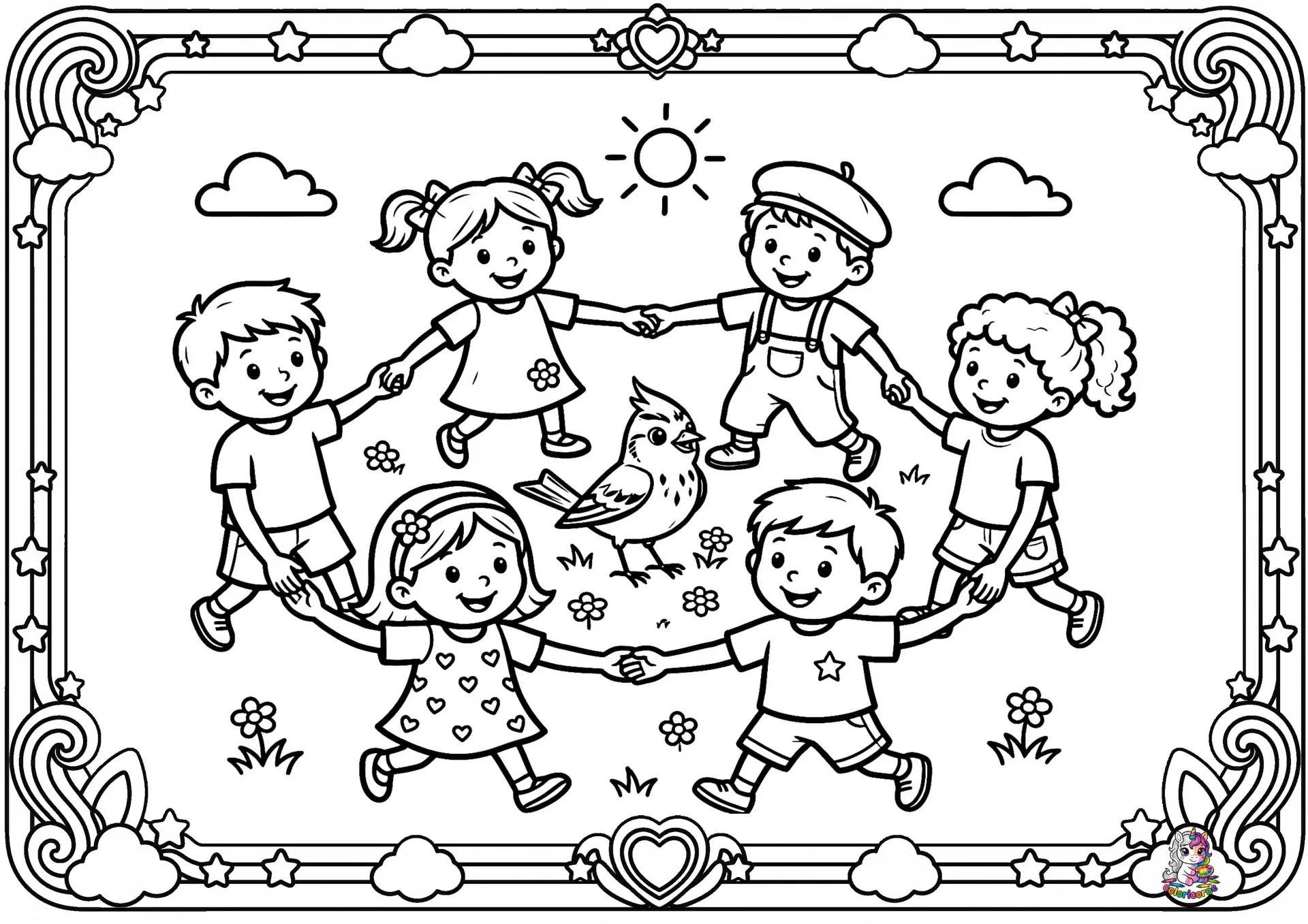 The children’s round dance
 The Christmas angel
 The Christmas stockings
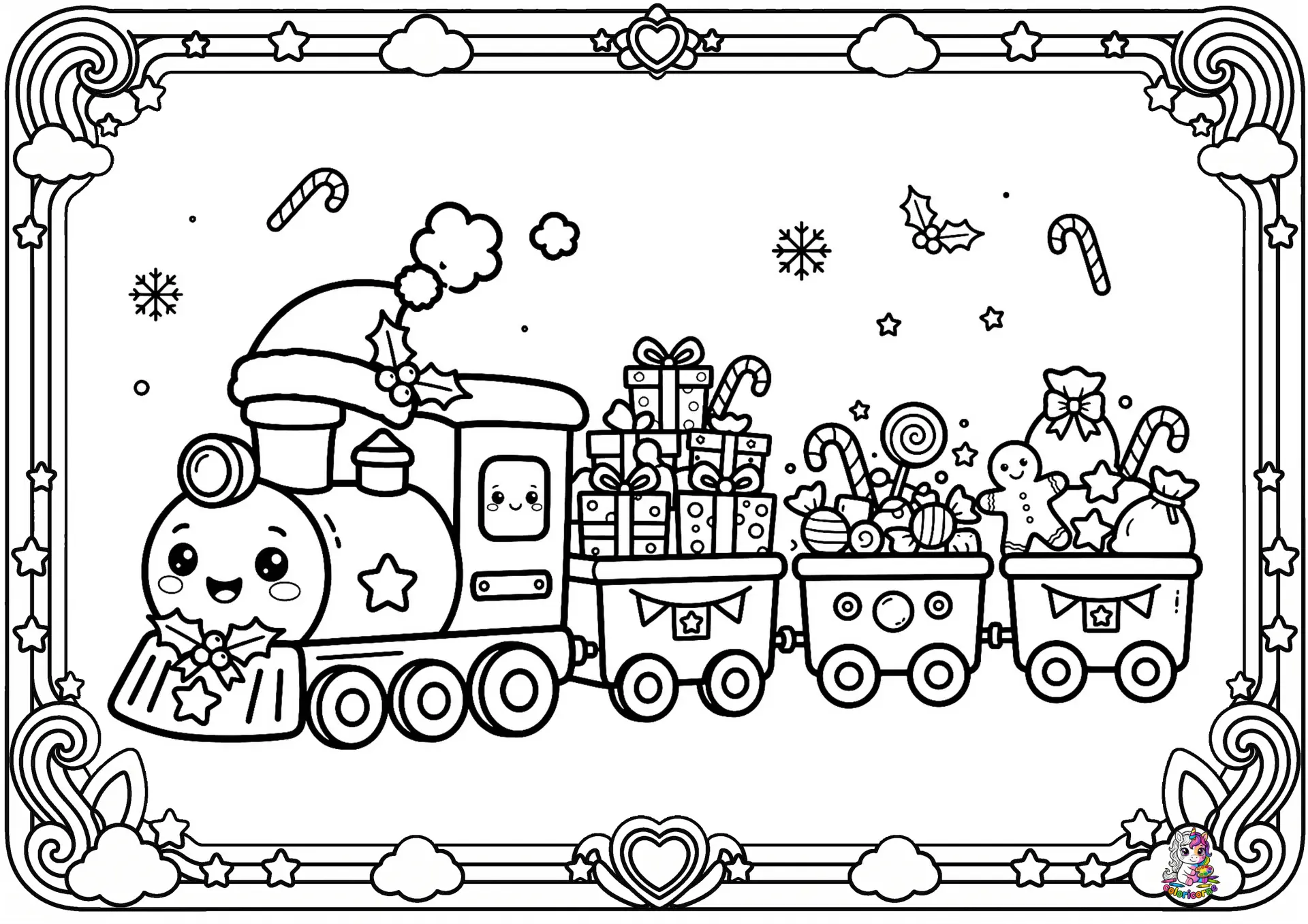 The Christmas train
 The Christmas village and its snowman
 The circus and its clown
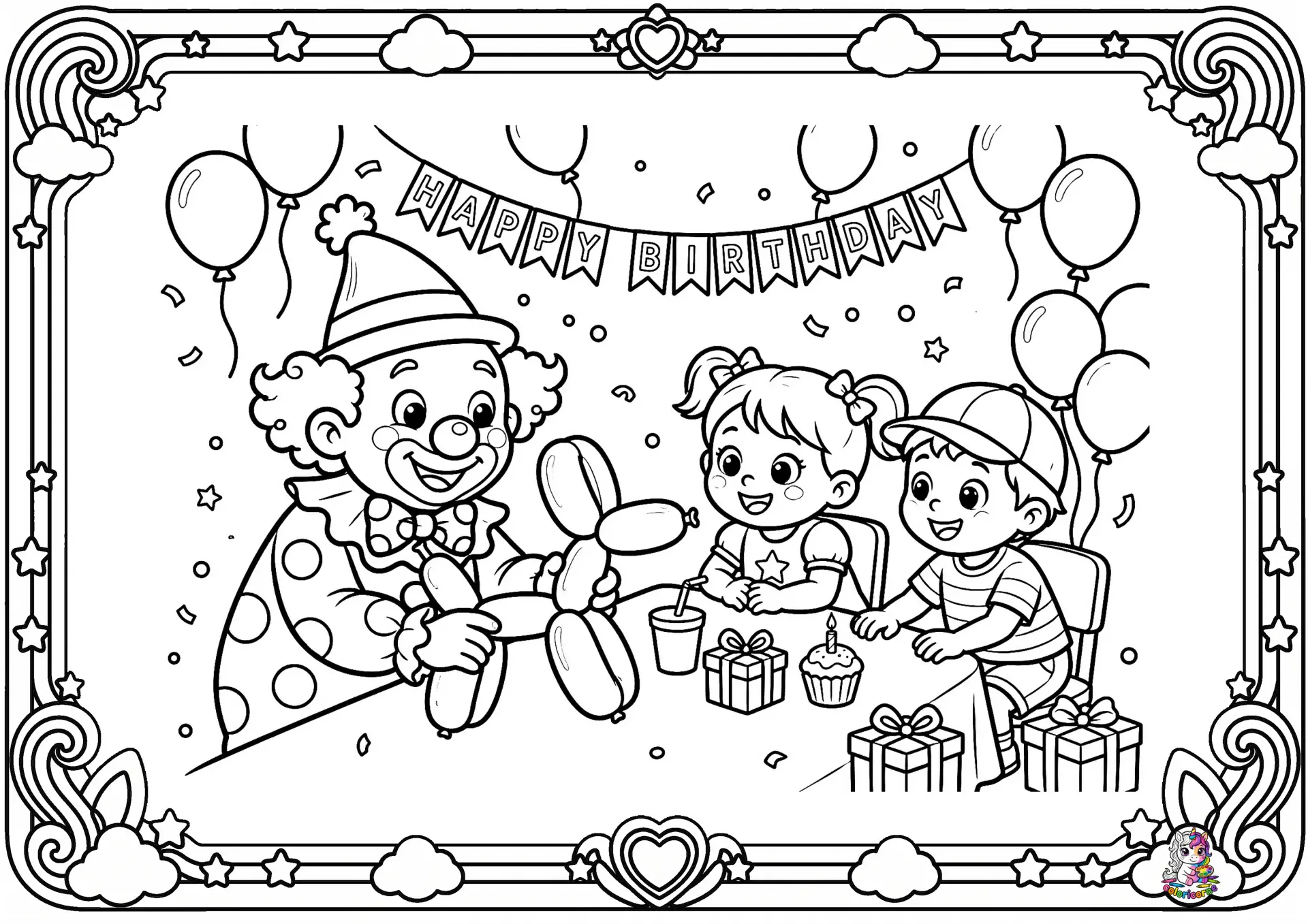 The clown and the balloons
 The cooking workshop
 The dancing line
 The dancing skeleton
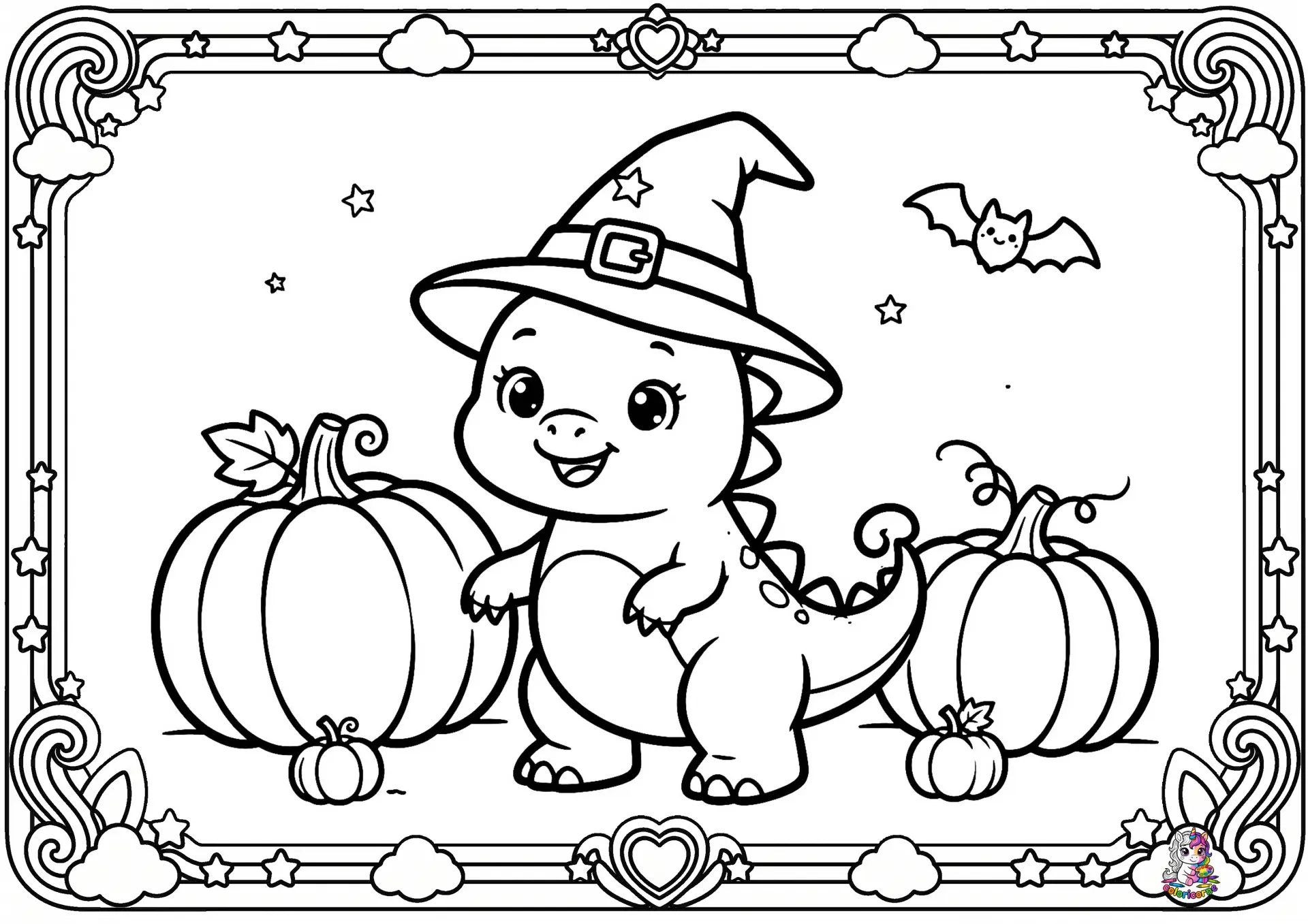 The dinosaur and the pumpkins
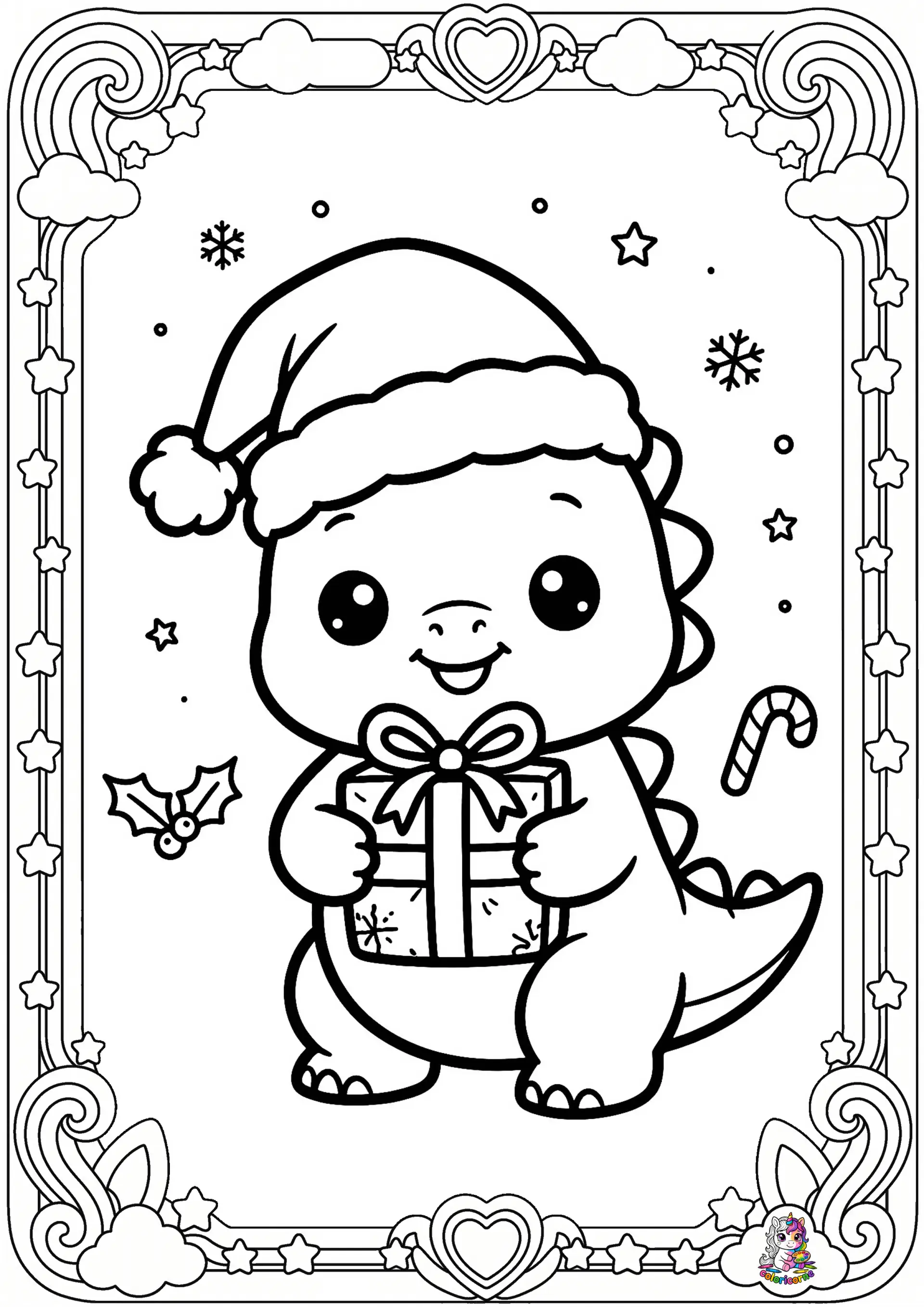 The dinosaur in a red hat
 The dragon costume
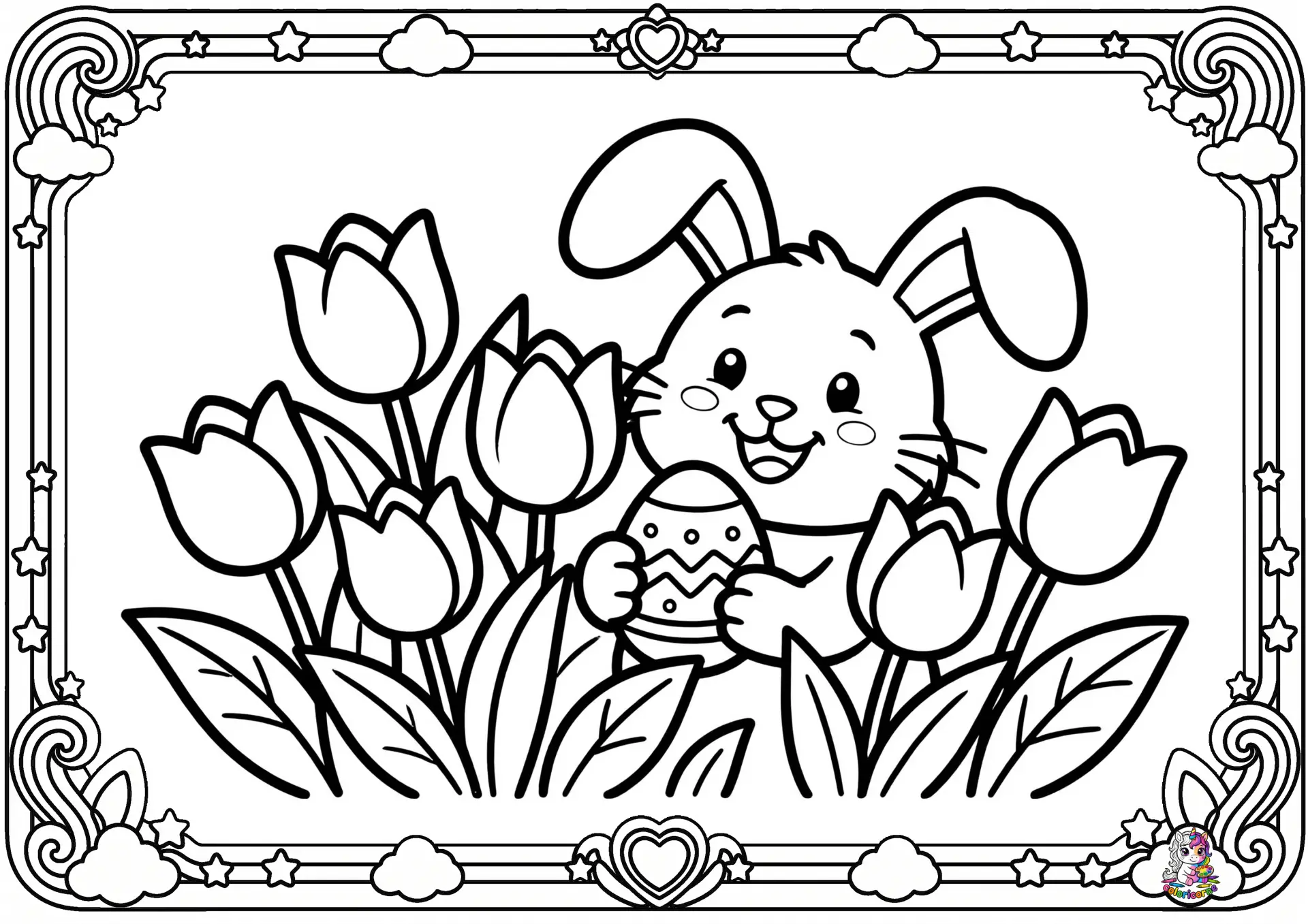 The Easter bunny among the tulips
 The Easter bunny and his big decorated egg
 The Easter egg with stars and zigzags
 The egg hunt in the garden
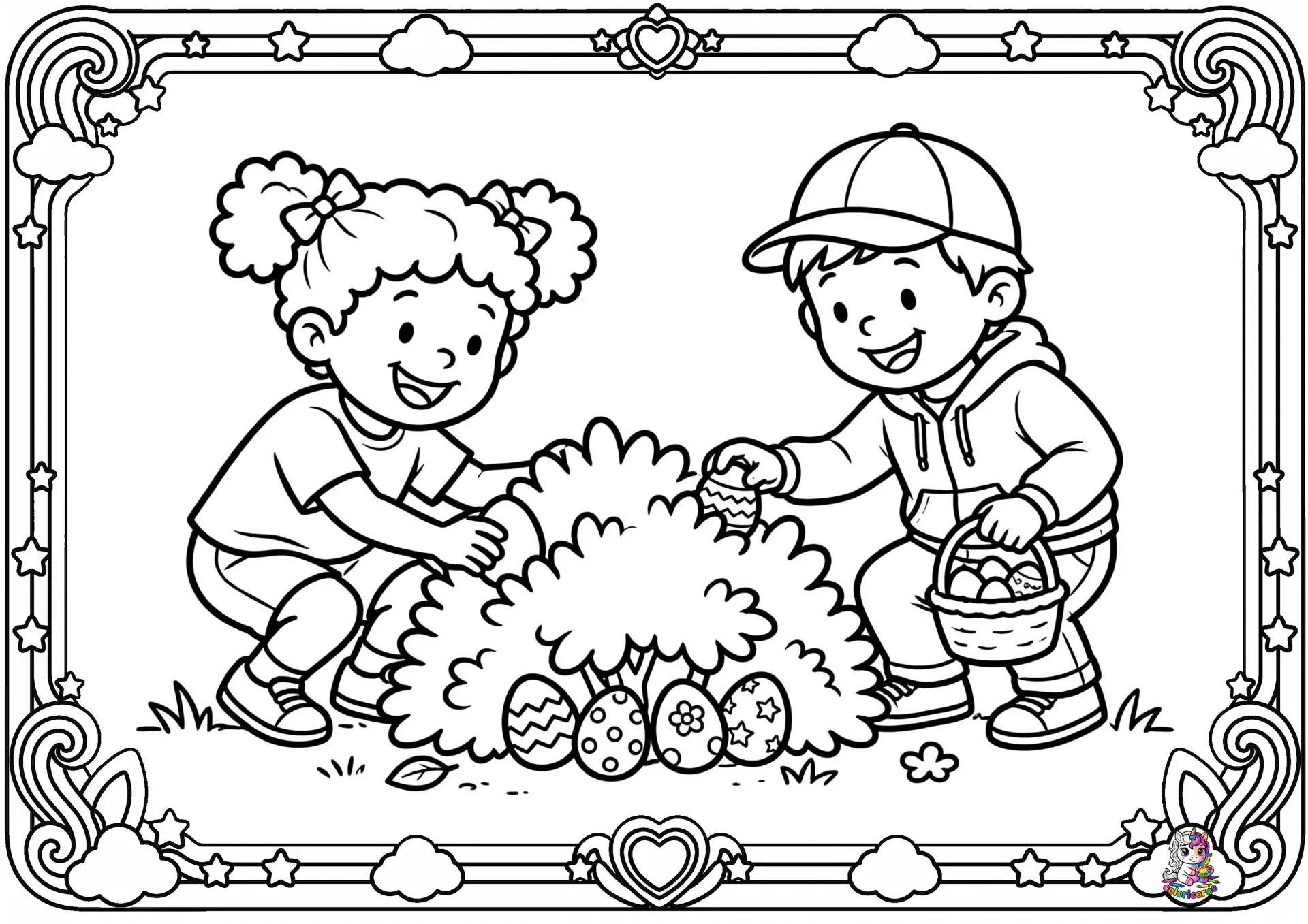 The eggs hidden under the bush
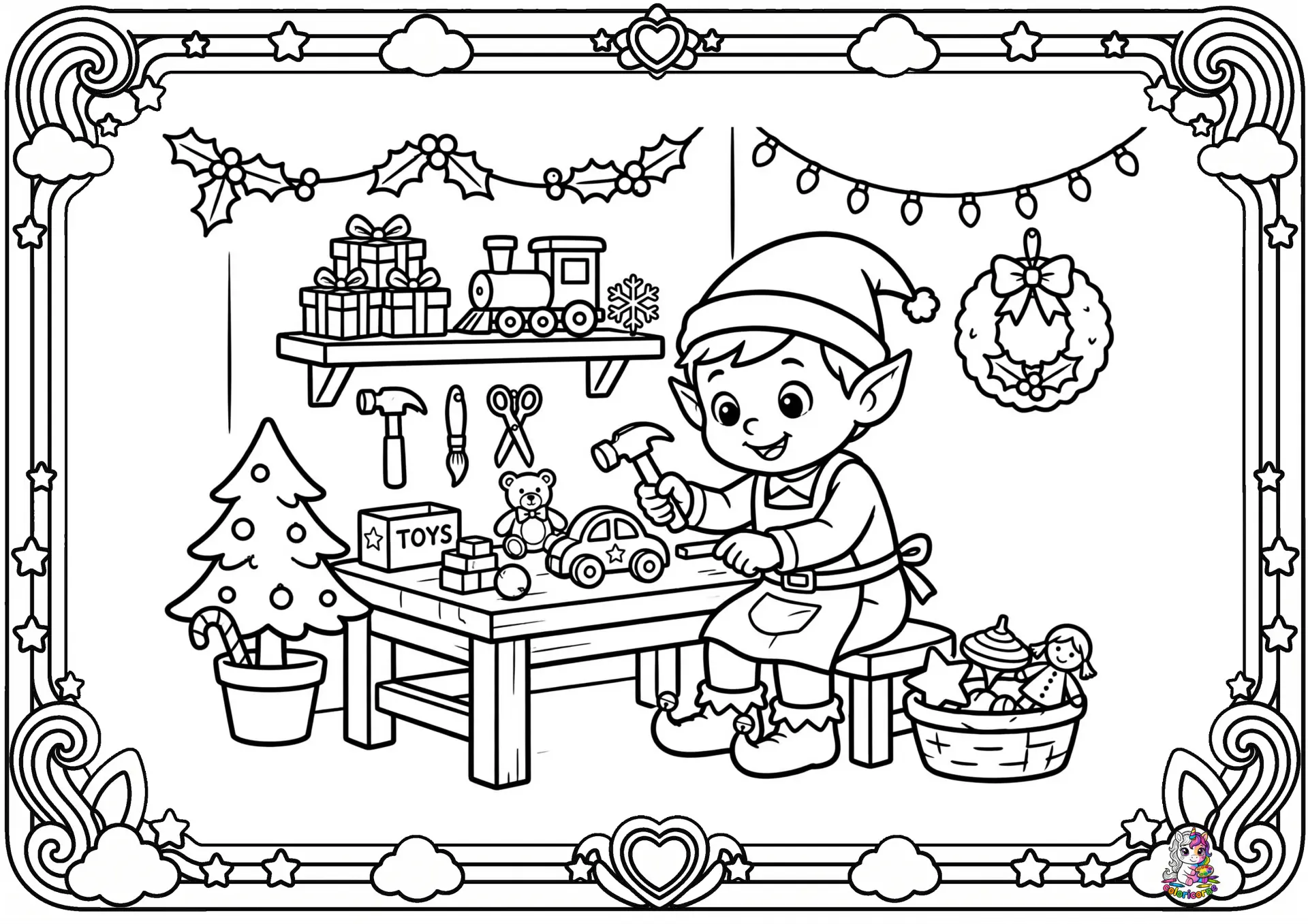 The elf mending the toys
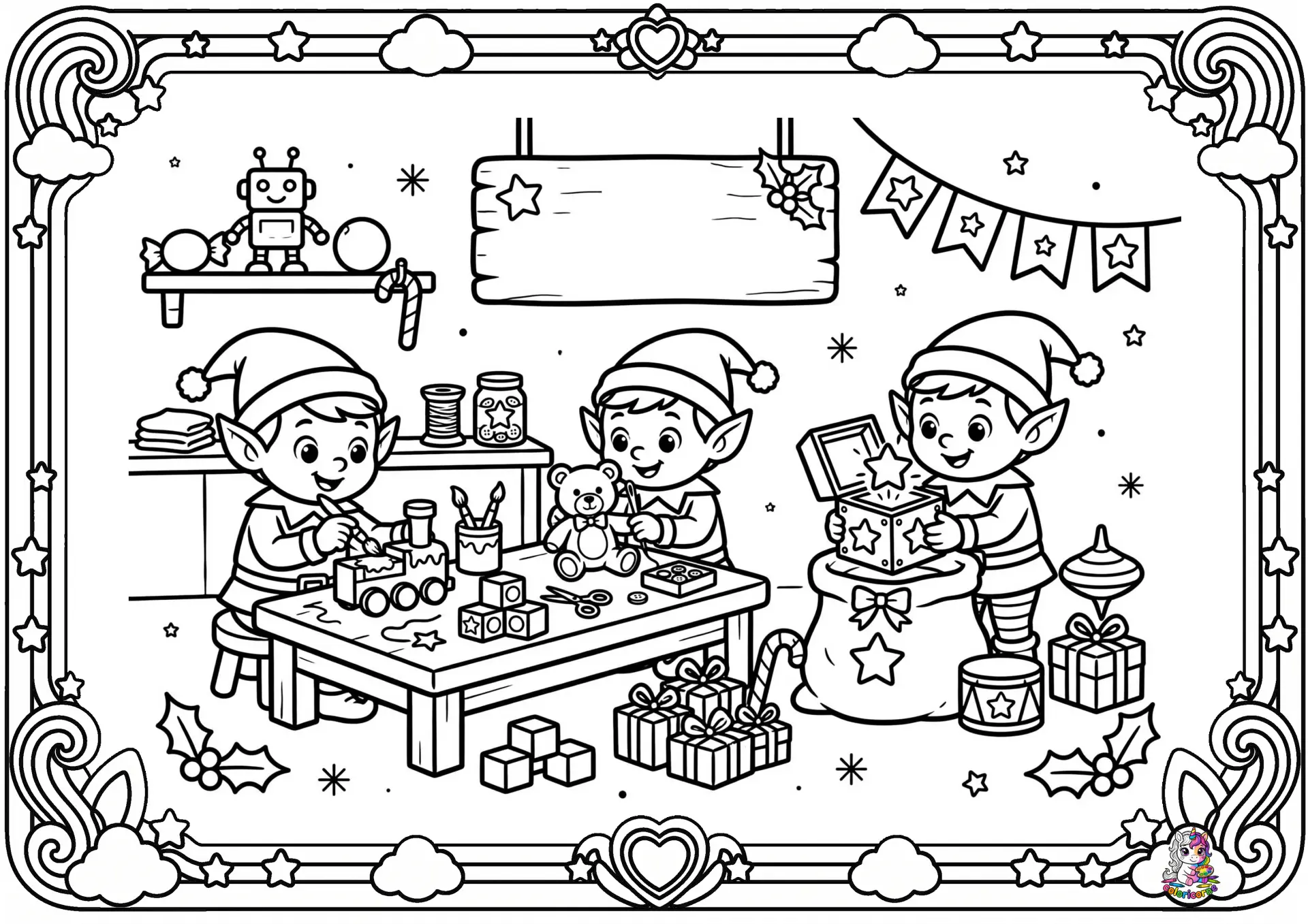 The elves and the sack of presents
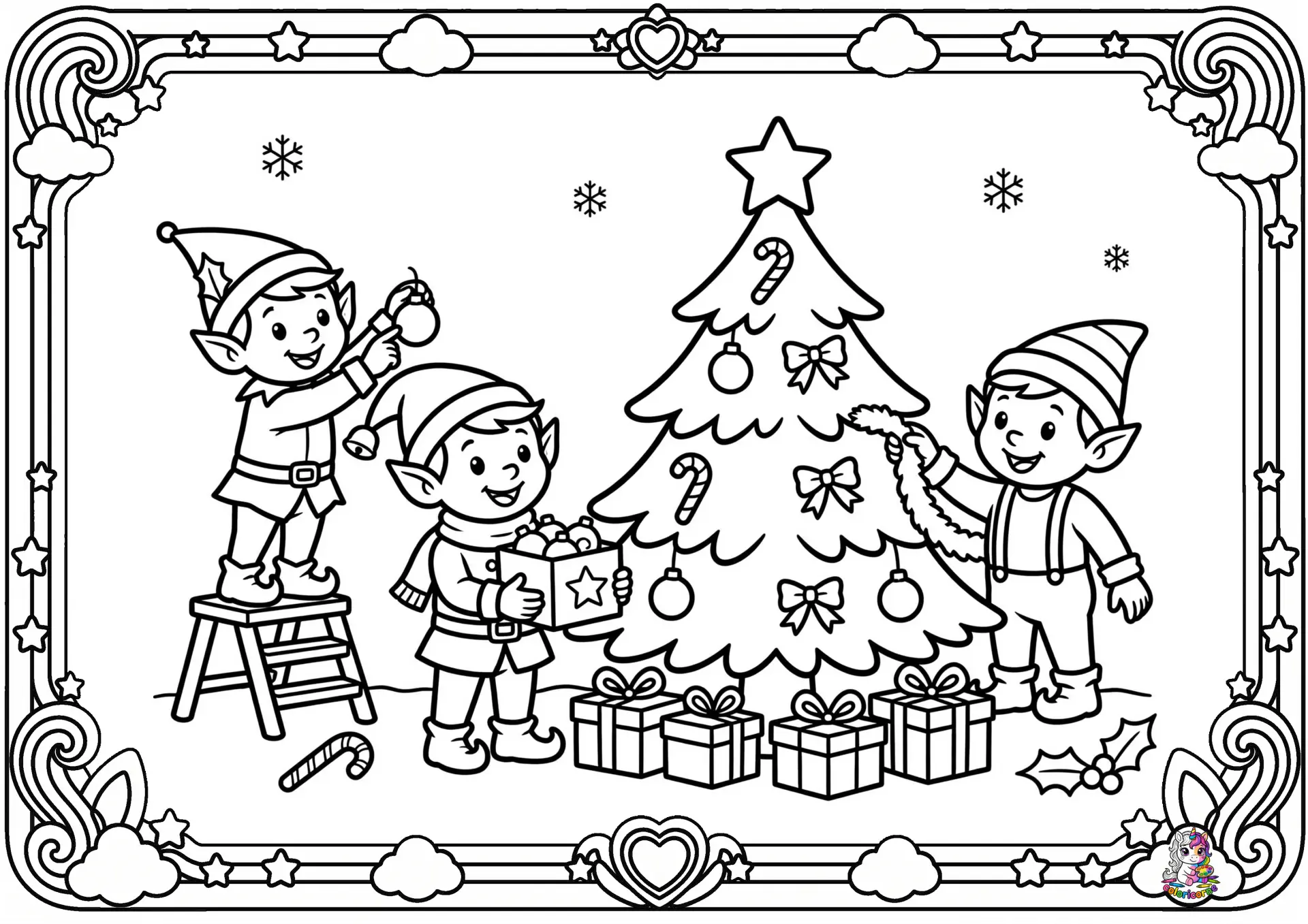 The elves decorating the tree
 The elves' workshop
 The engine in a Christmas hat
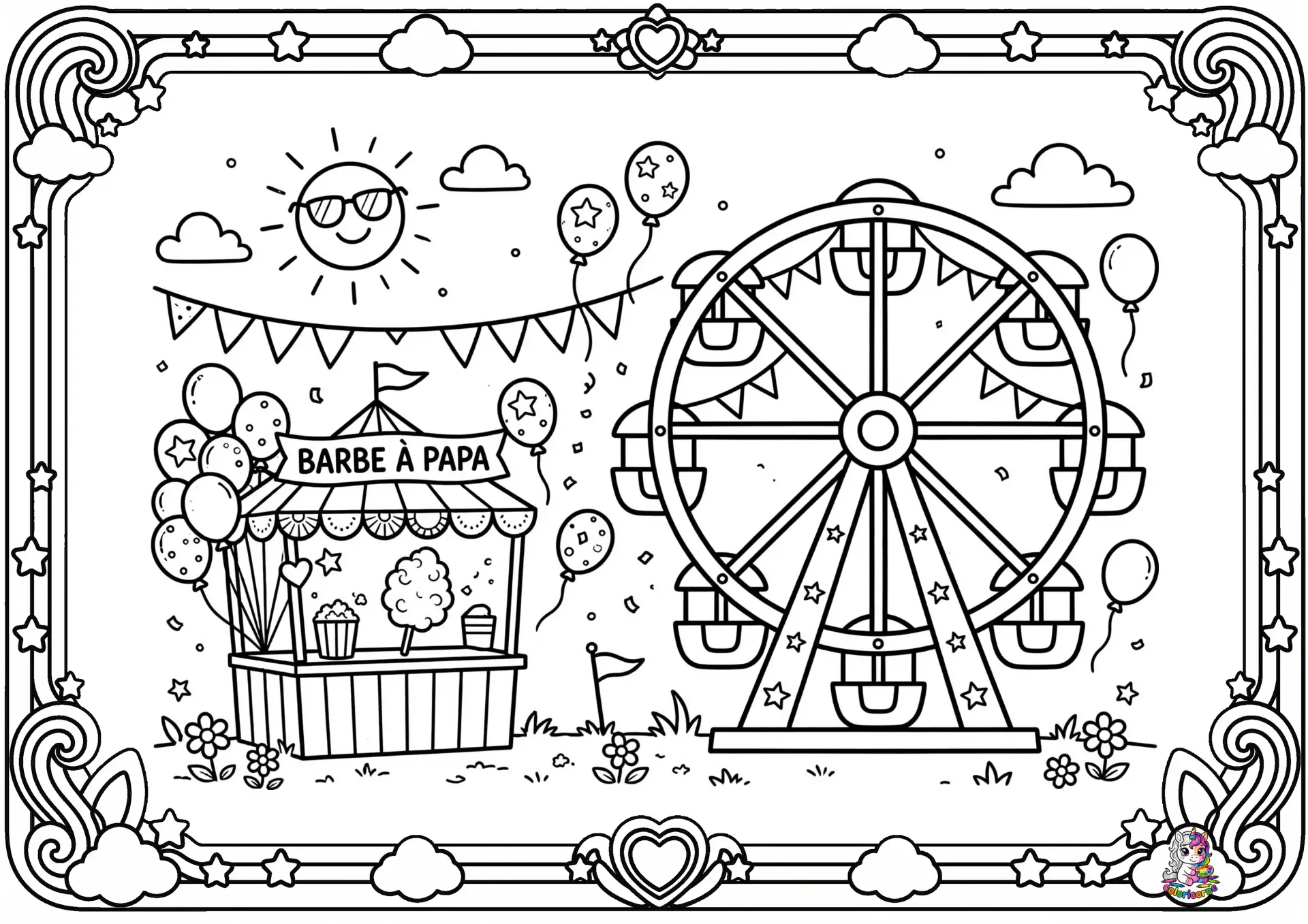 The ferris wheel and the cotton candy
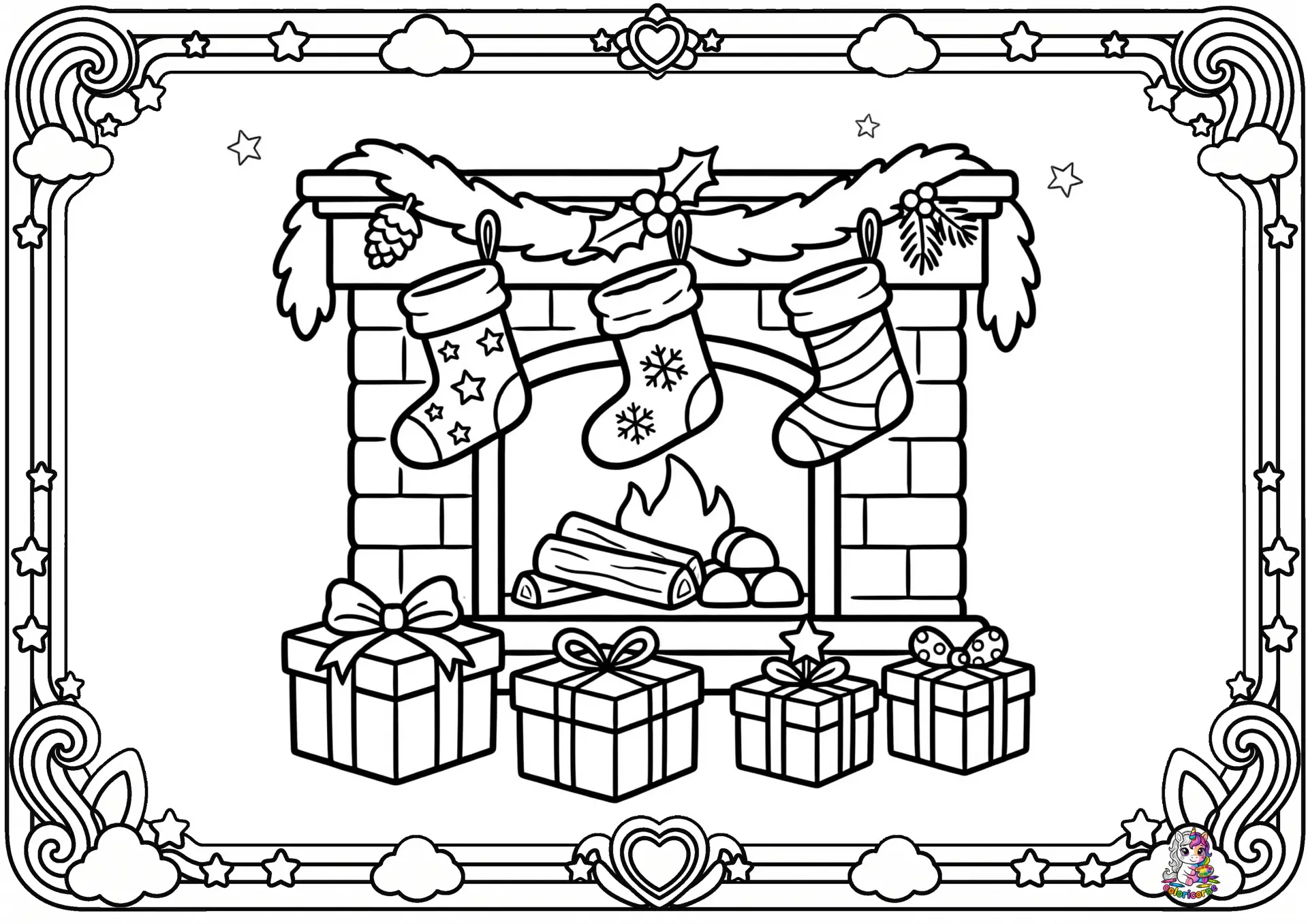 The fireplace and its three stockings
 The forest fairy
 The four candies
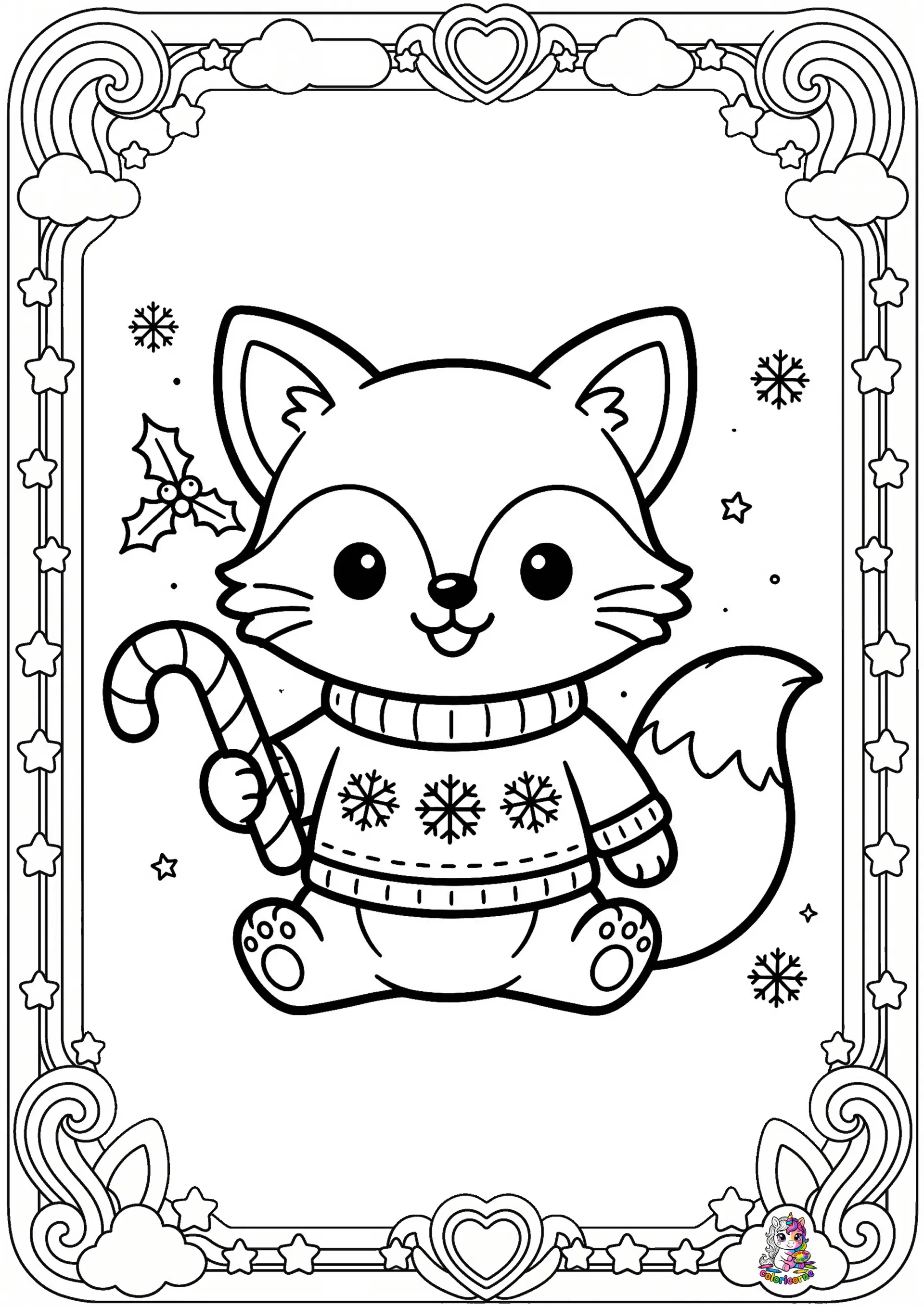 The fox in a Christmas sweater
 The friends' round dance
 The funfair and its ferris wheel
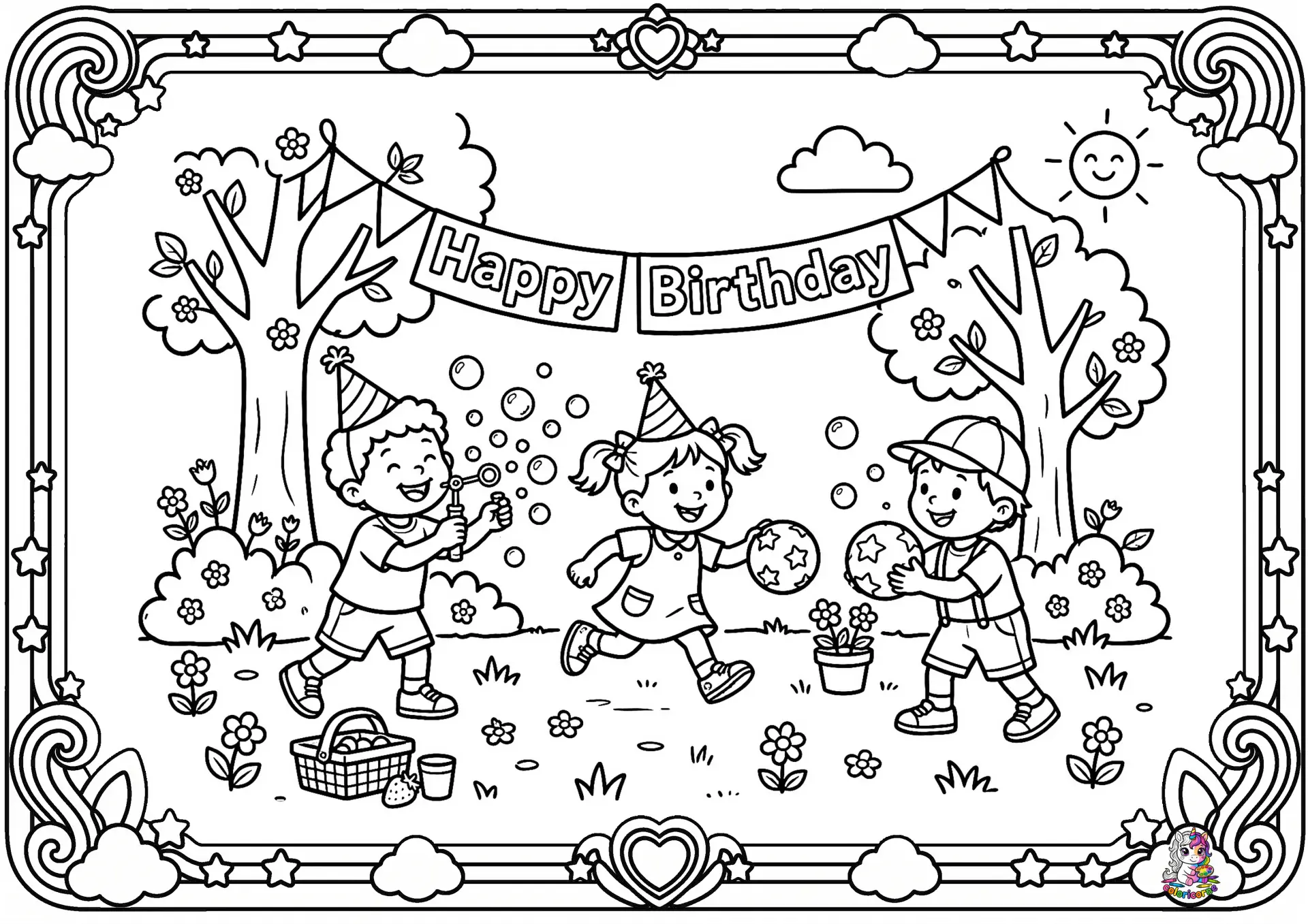 The garden birthday party
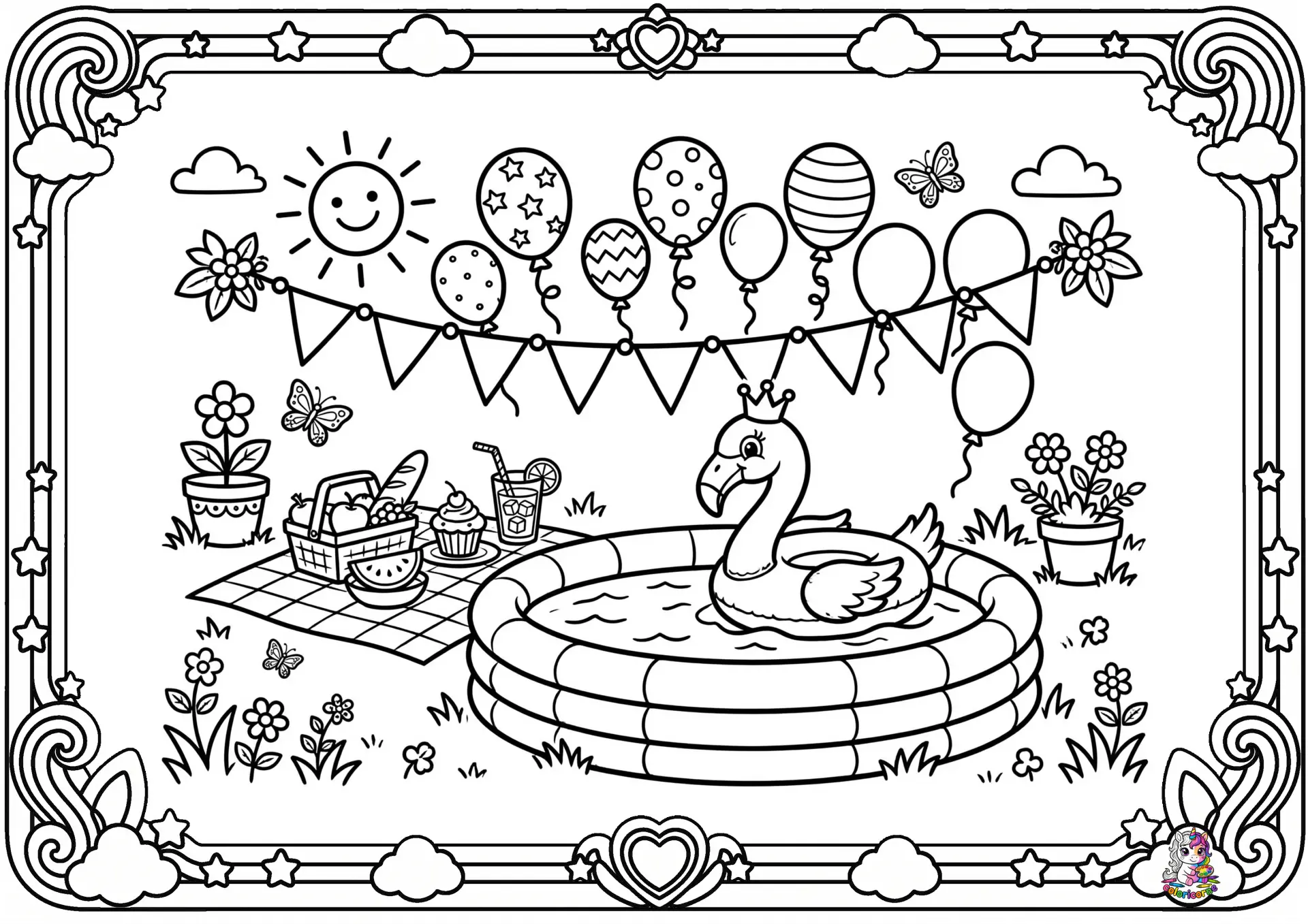 The garden party and its pool
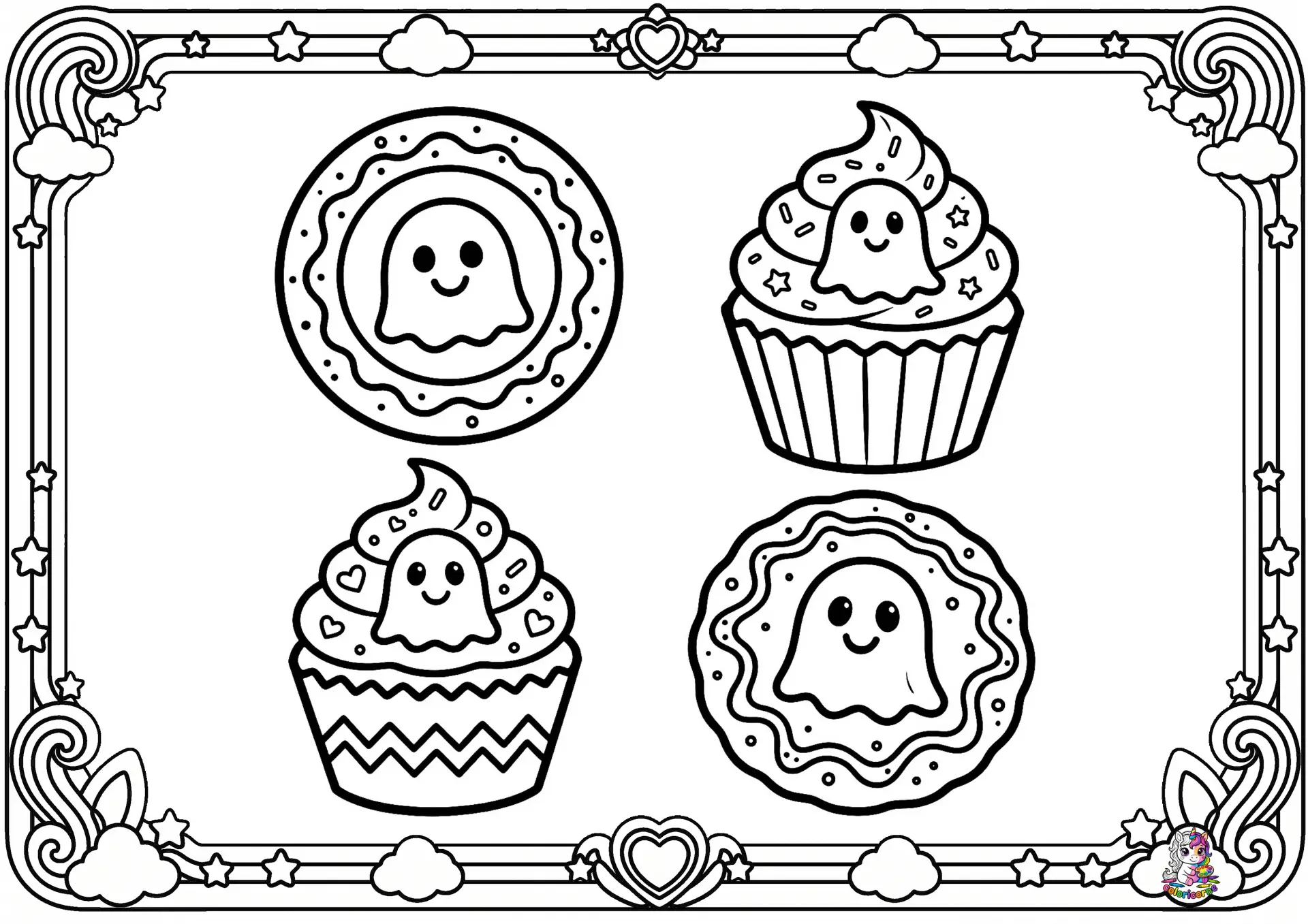 The ghost cakes
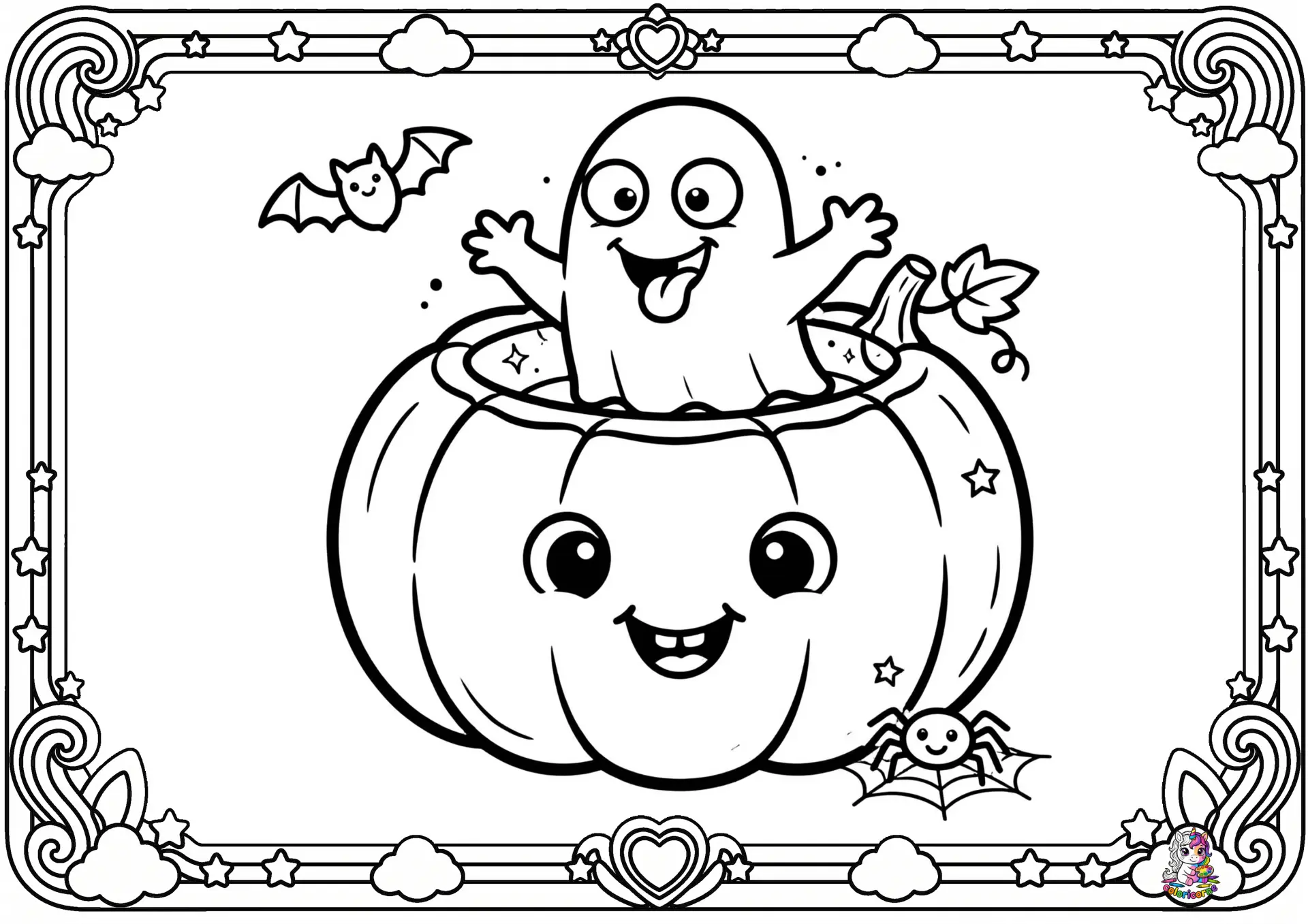 The ghost in the pumpkin
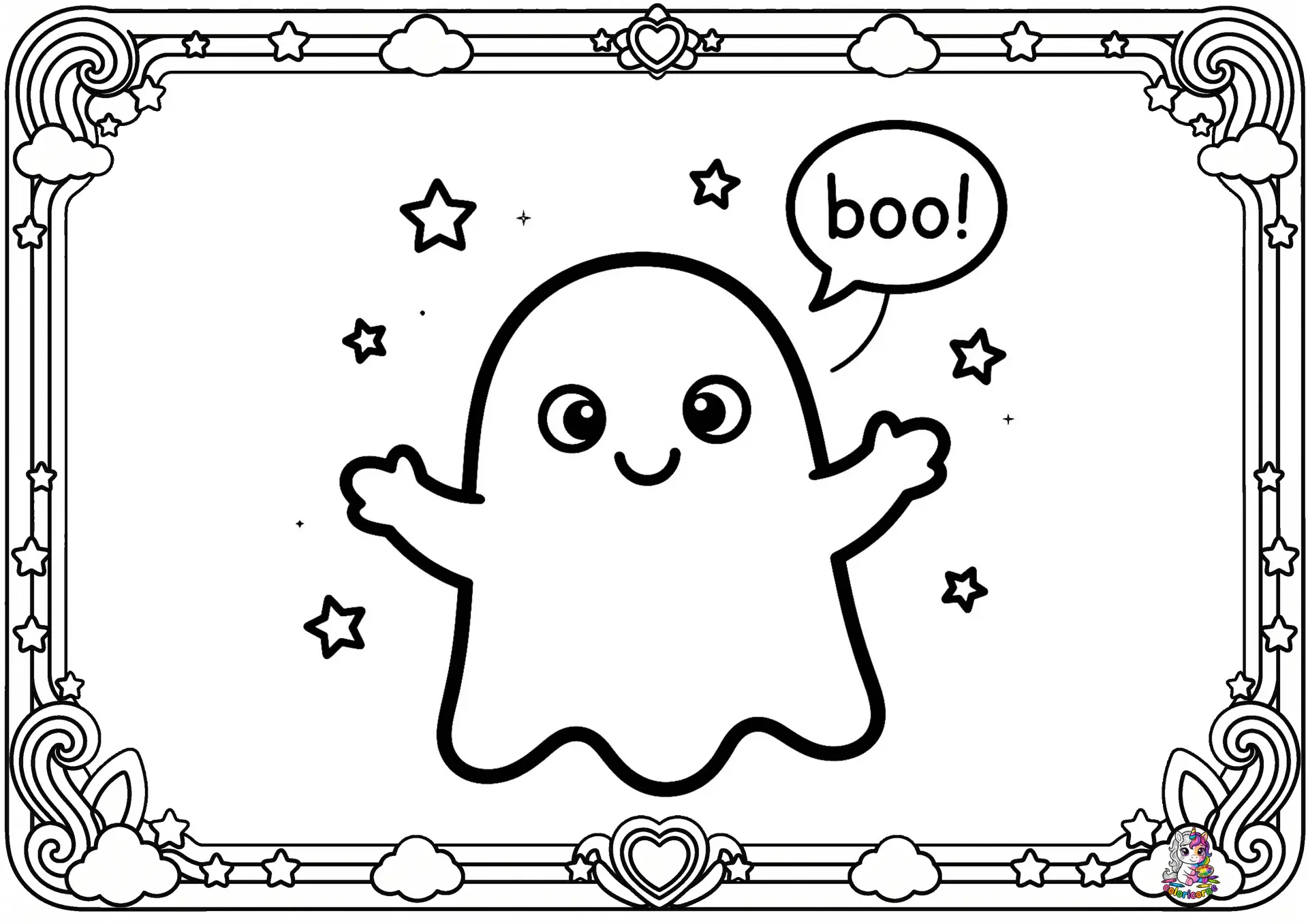 The ghost that says boo
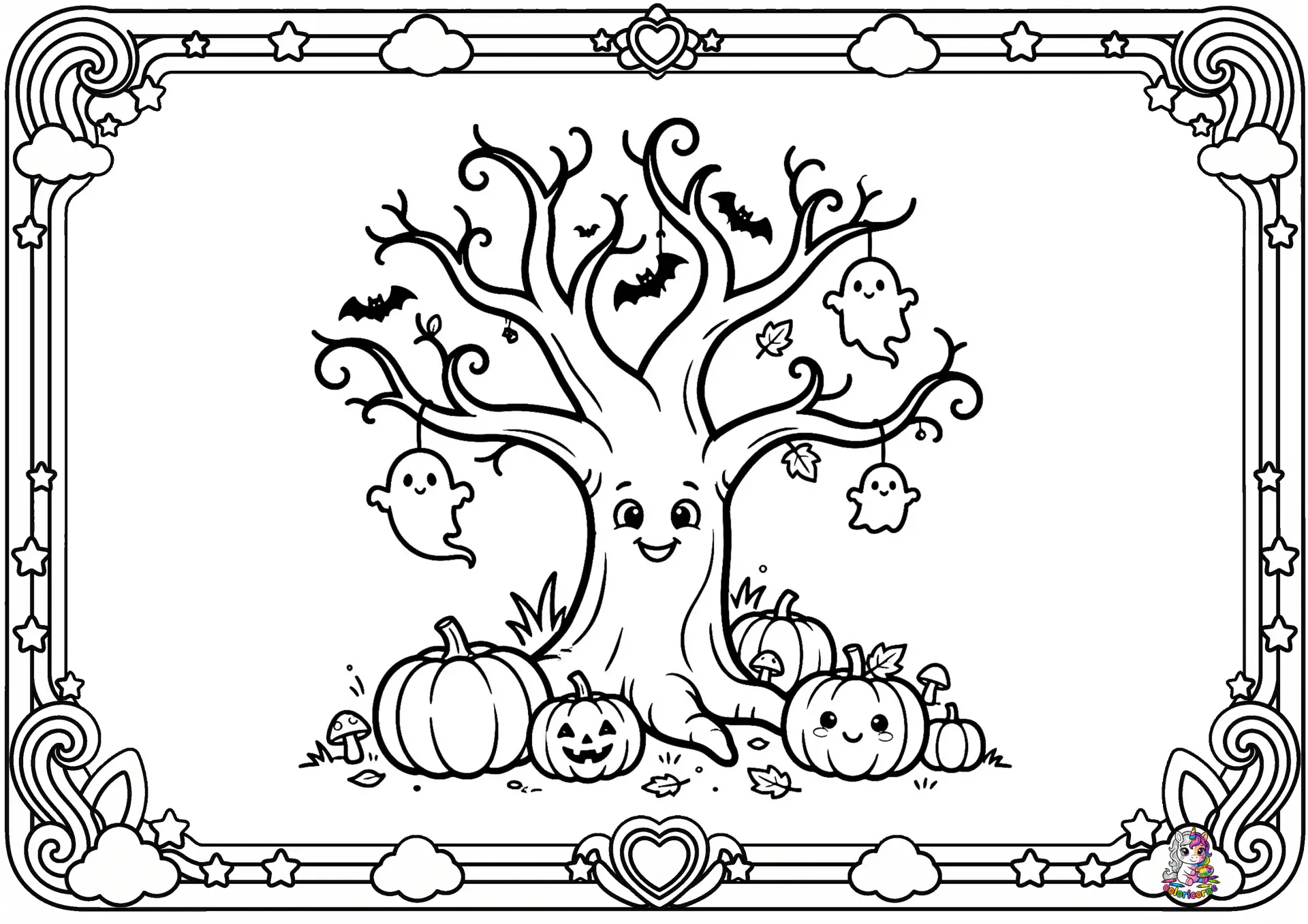 The ghost tree
 The gift swap
 The gingerbread family
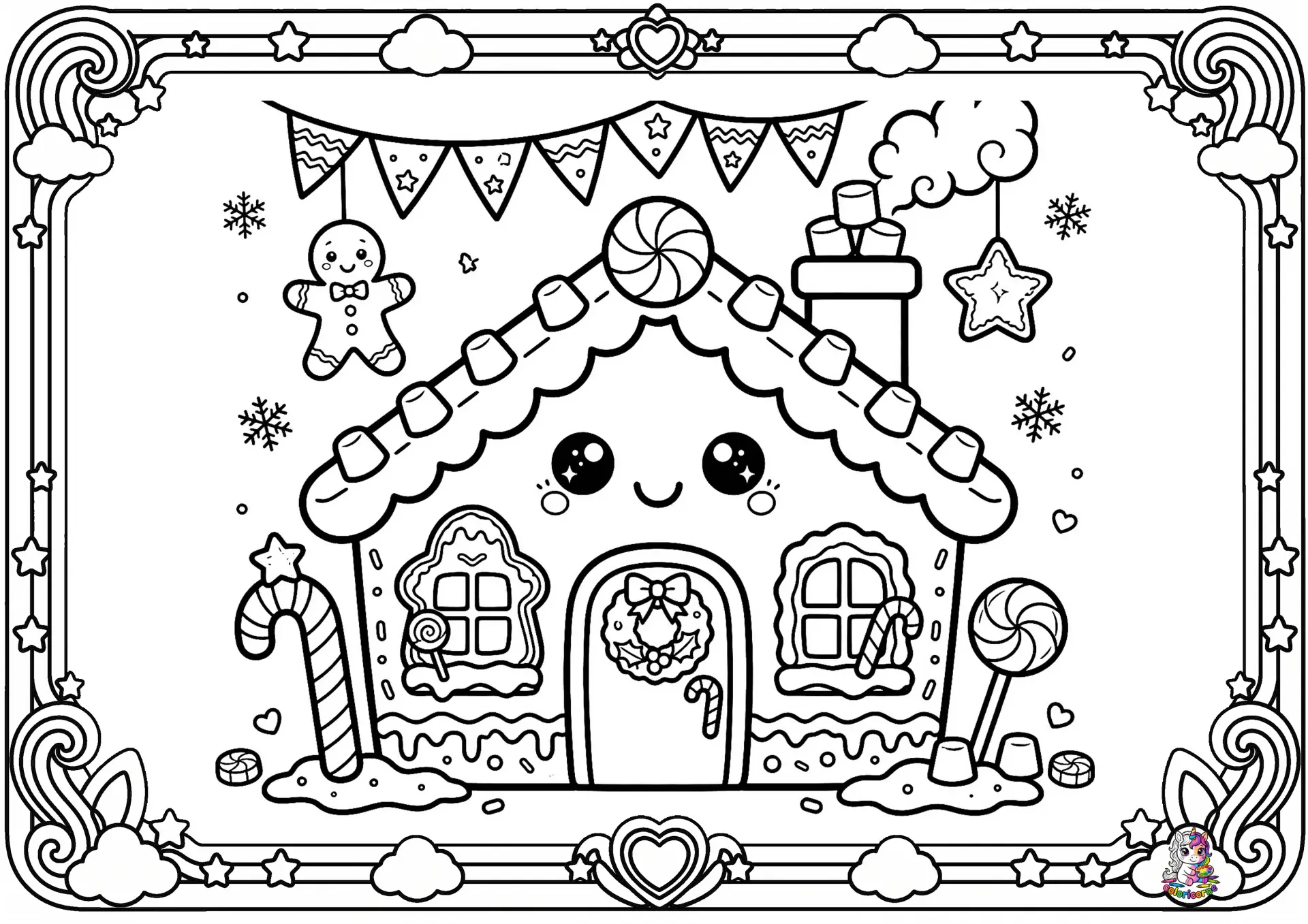 The gingerbread house
 The gingerbread house in the falling snow
 The gingerbread man and his house
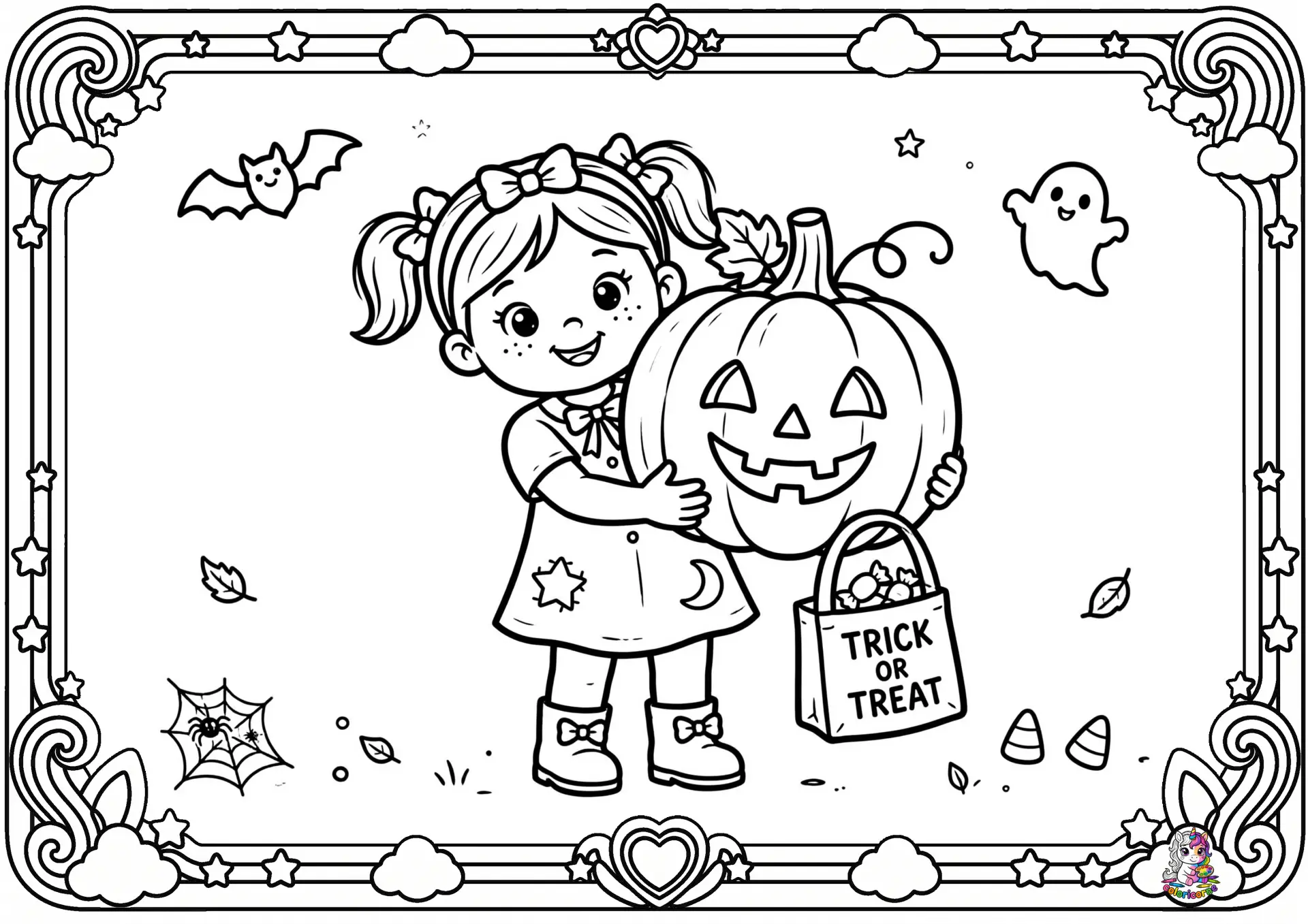 The girl and her big pumpkin
 The girl with the pumpkin basket
 The hand and the lollipop
 The haunted house
 The hen and the rainbow
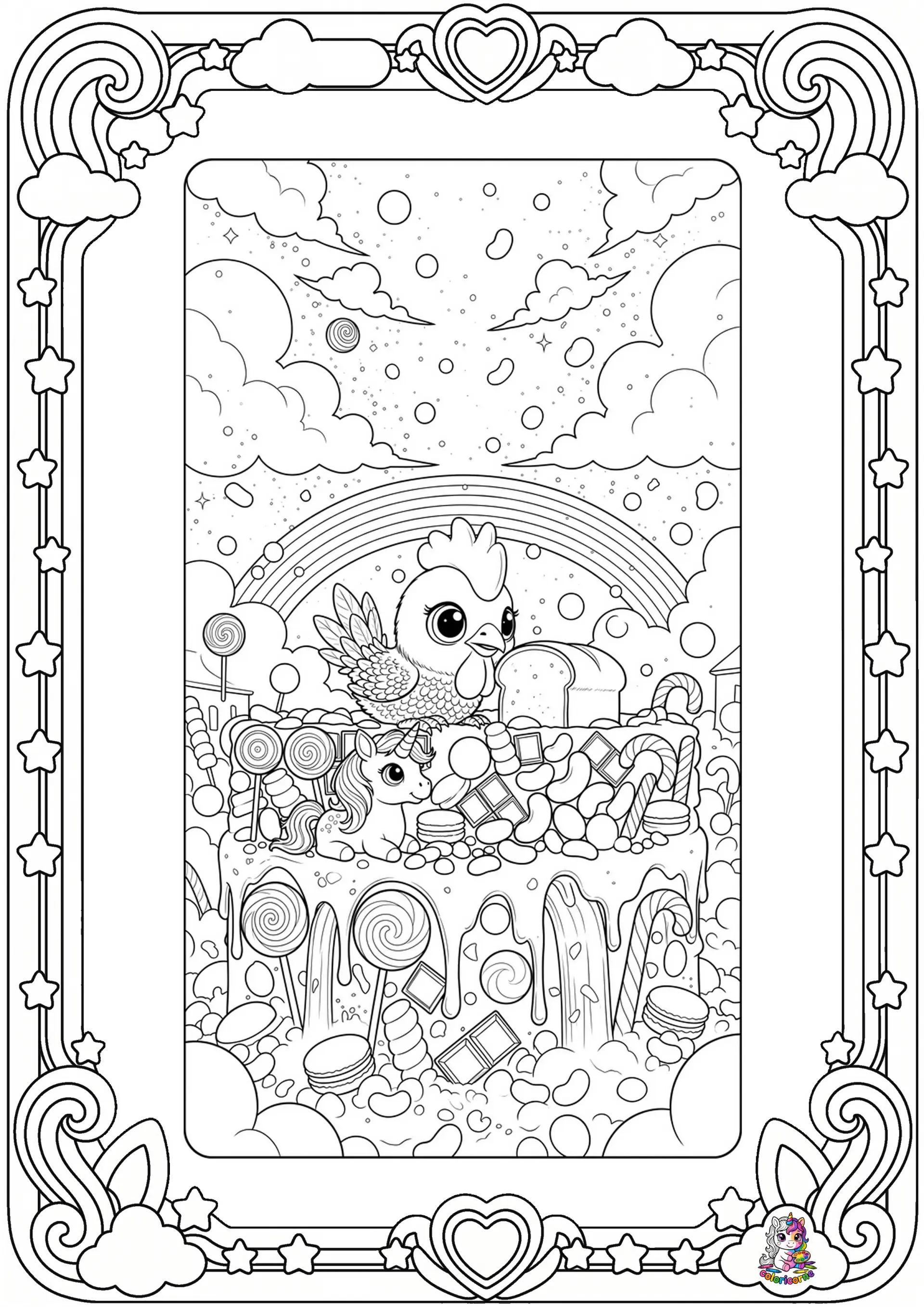 The hen on the cake
 The hen on the candy
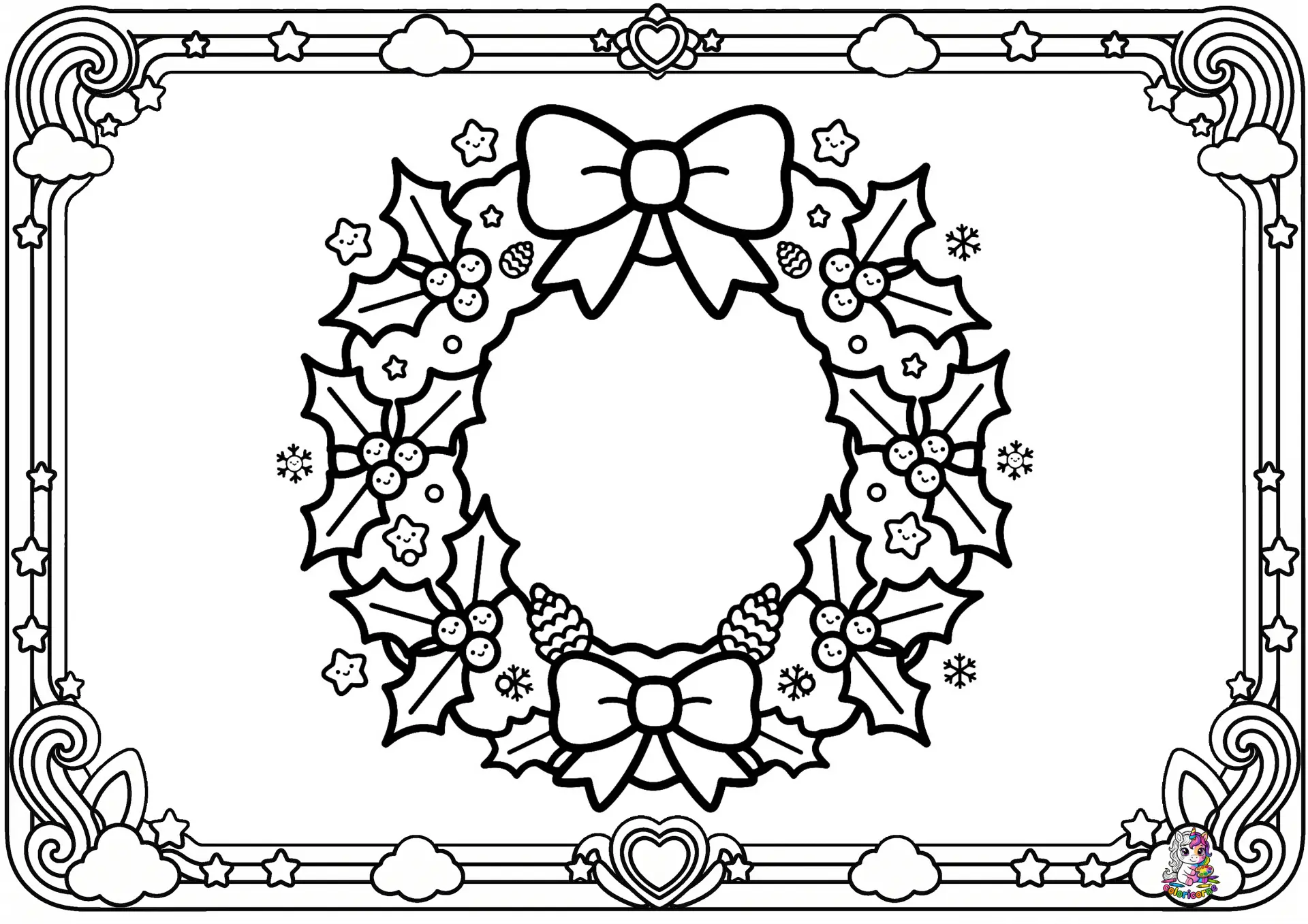 The holly wreath
 The knight and the princess
 The knock-down game figures
 The koala in the stocking
 The lamb sitting by the big egg
 The lamb with its egg among the tulips
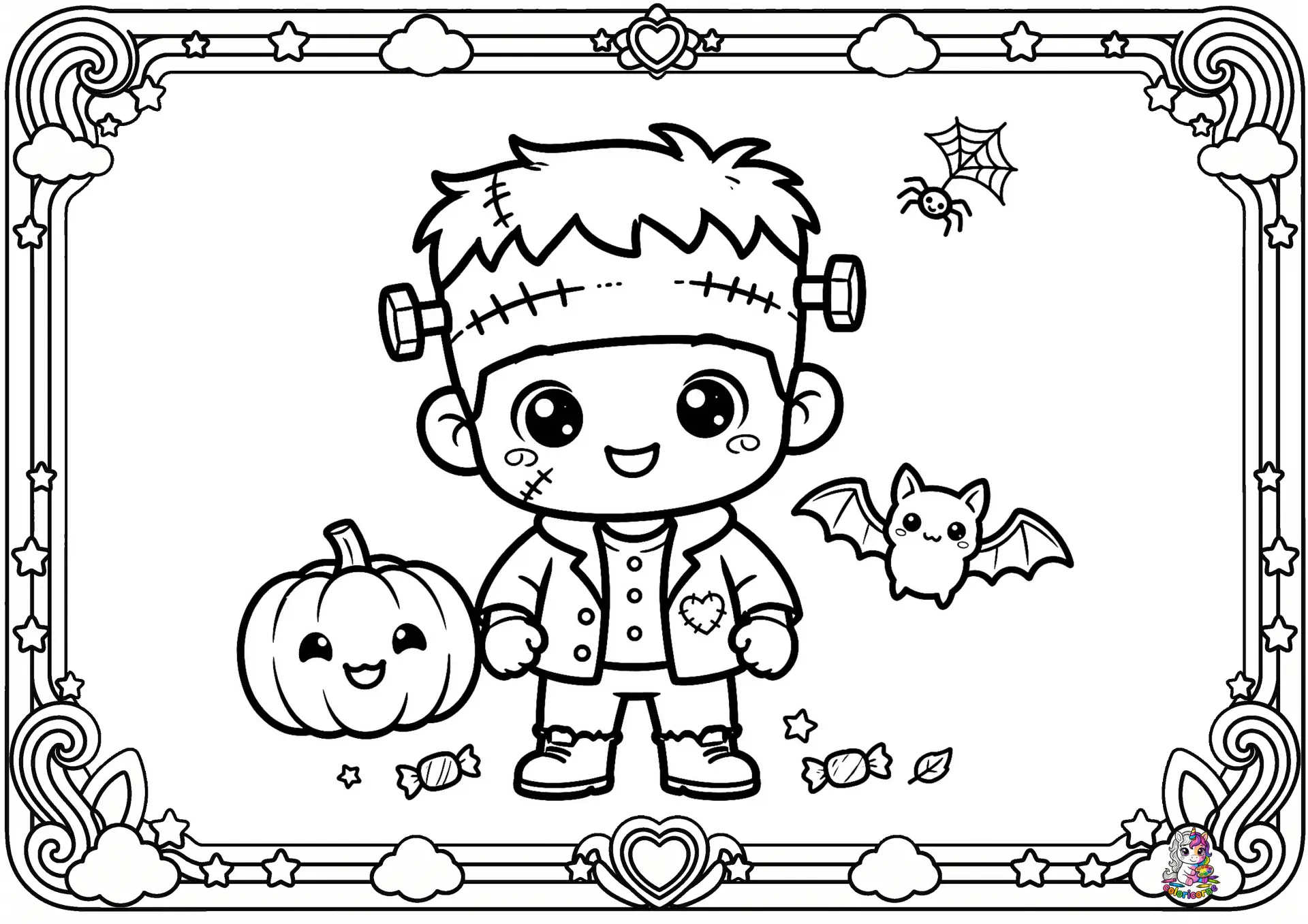 The little bolted monster
 The little ghost under the moon
 The little girl with a basket of eggs and the butterfly
 The little mermaid under the moon
 The little mummy
 The little reindeer and his big nose
 The little robot
 The little superhero
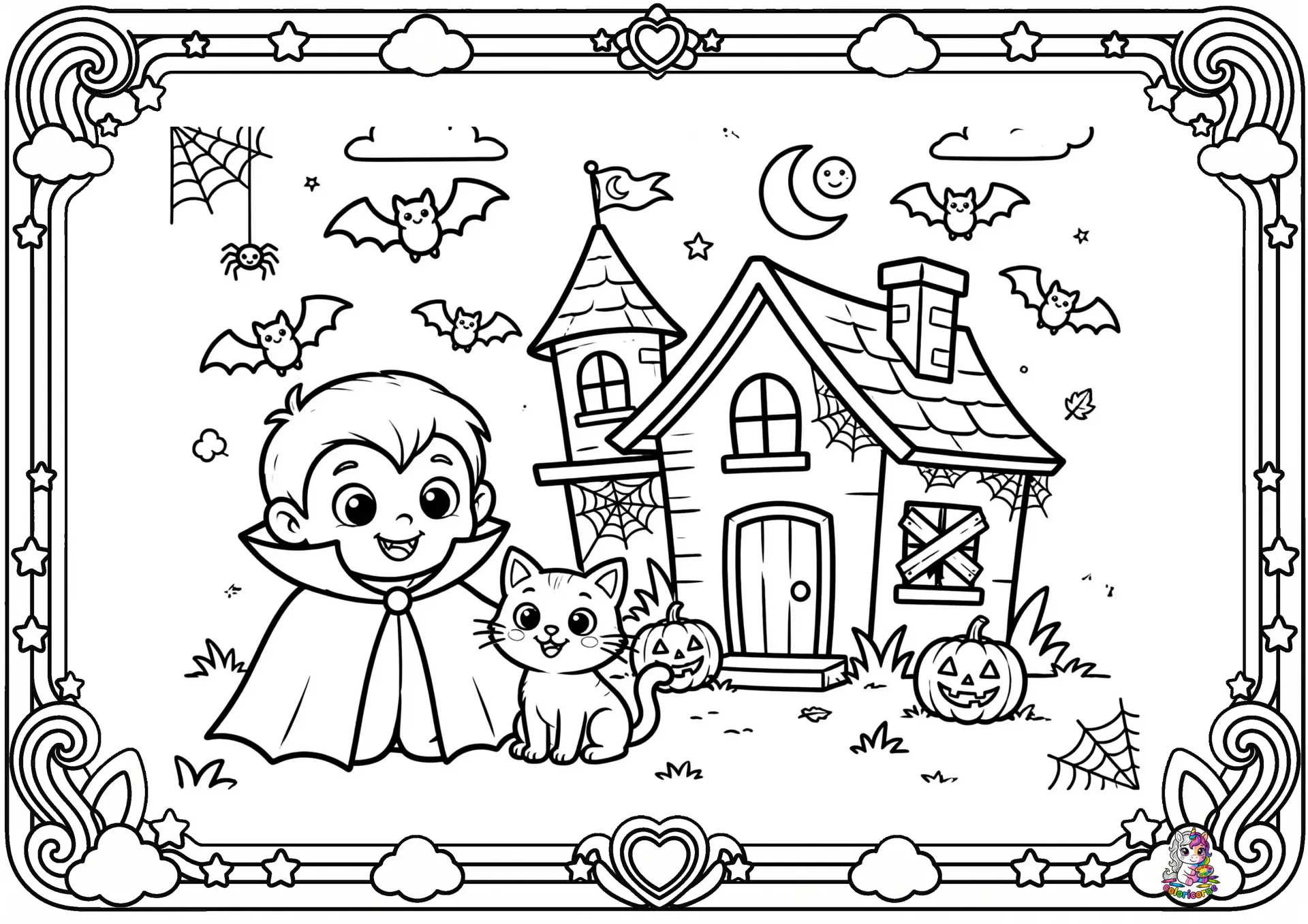 The little vampire and his cat outside the haunted house
 The little vampire and his juice carton
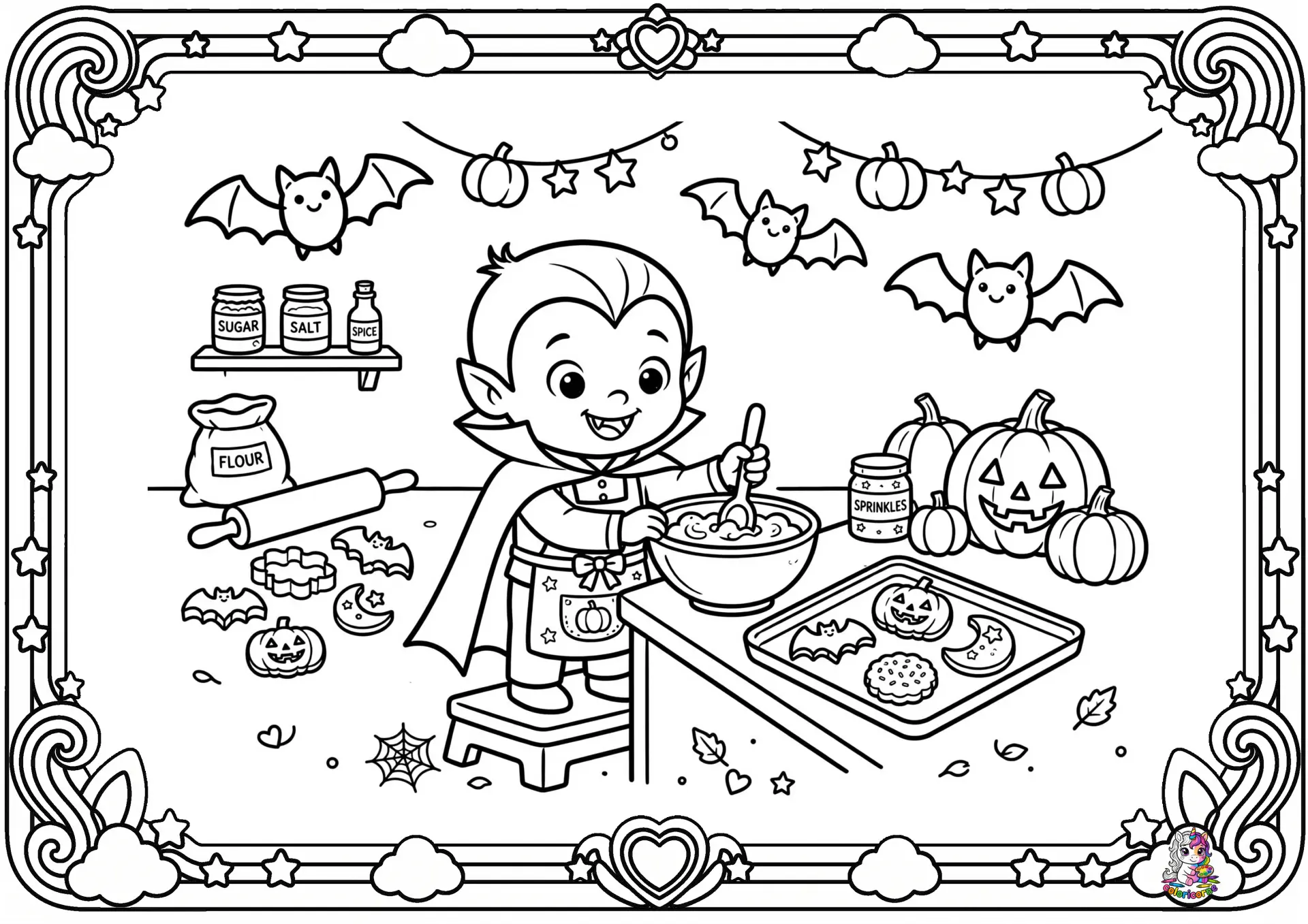 The little vampire baking cookies
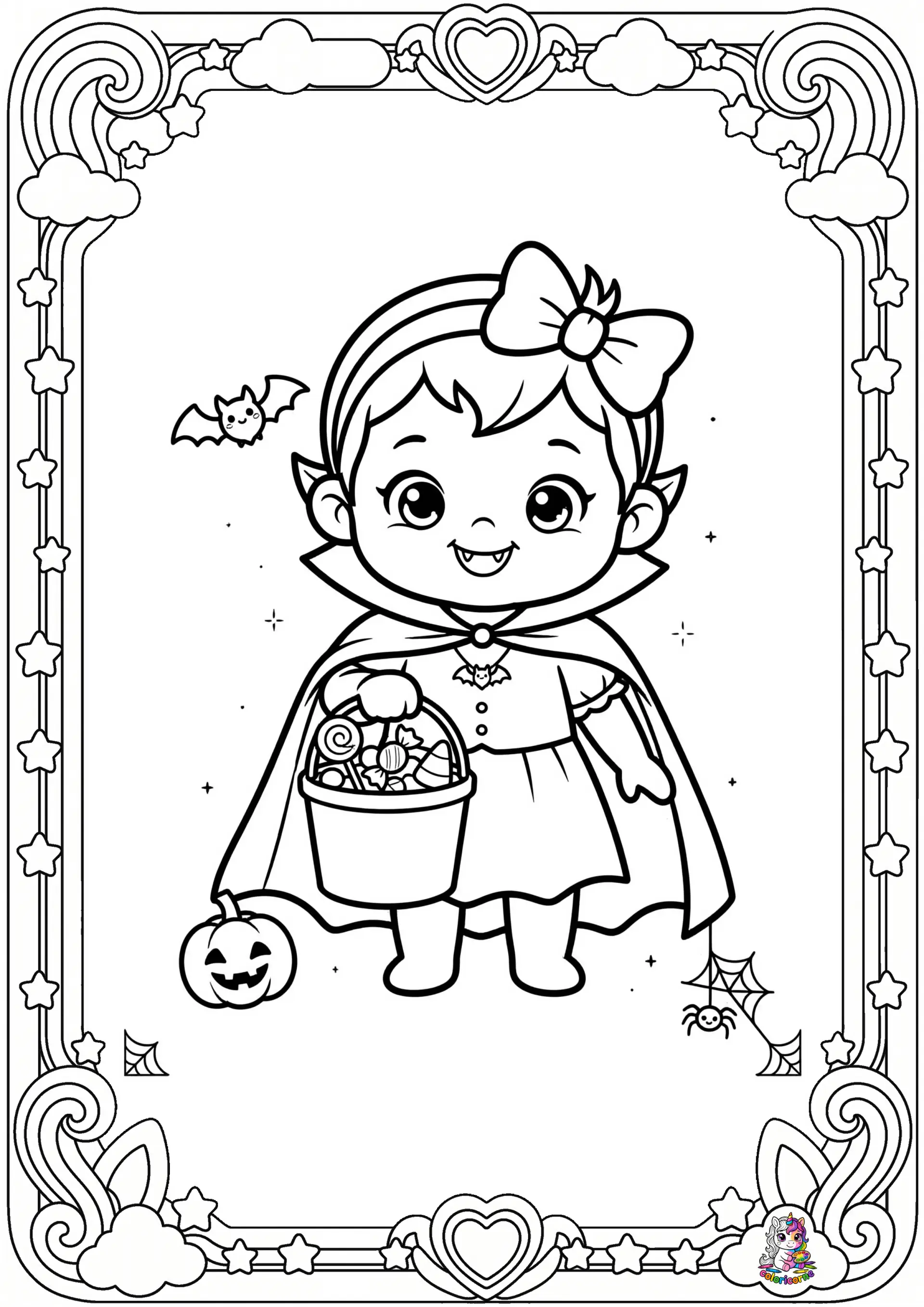 The little vampire girl and her candy bucket
 The little vampire in his cape
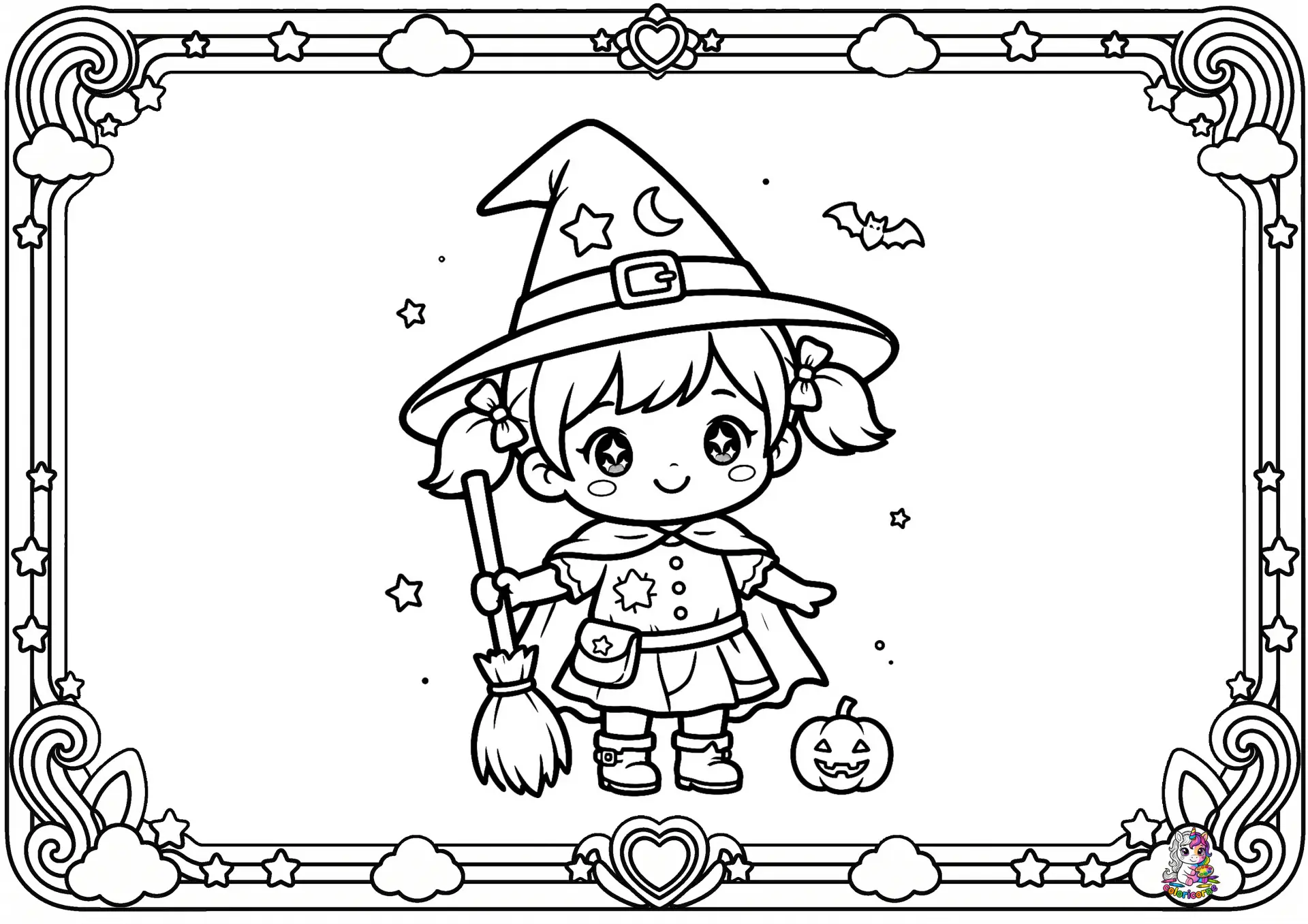 The little witch and her broom
 The little witch and her cat
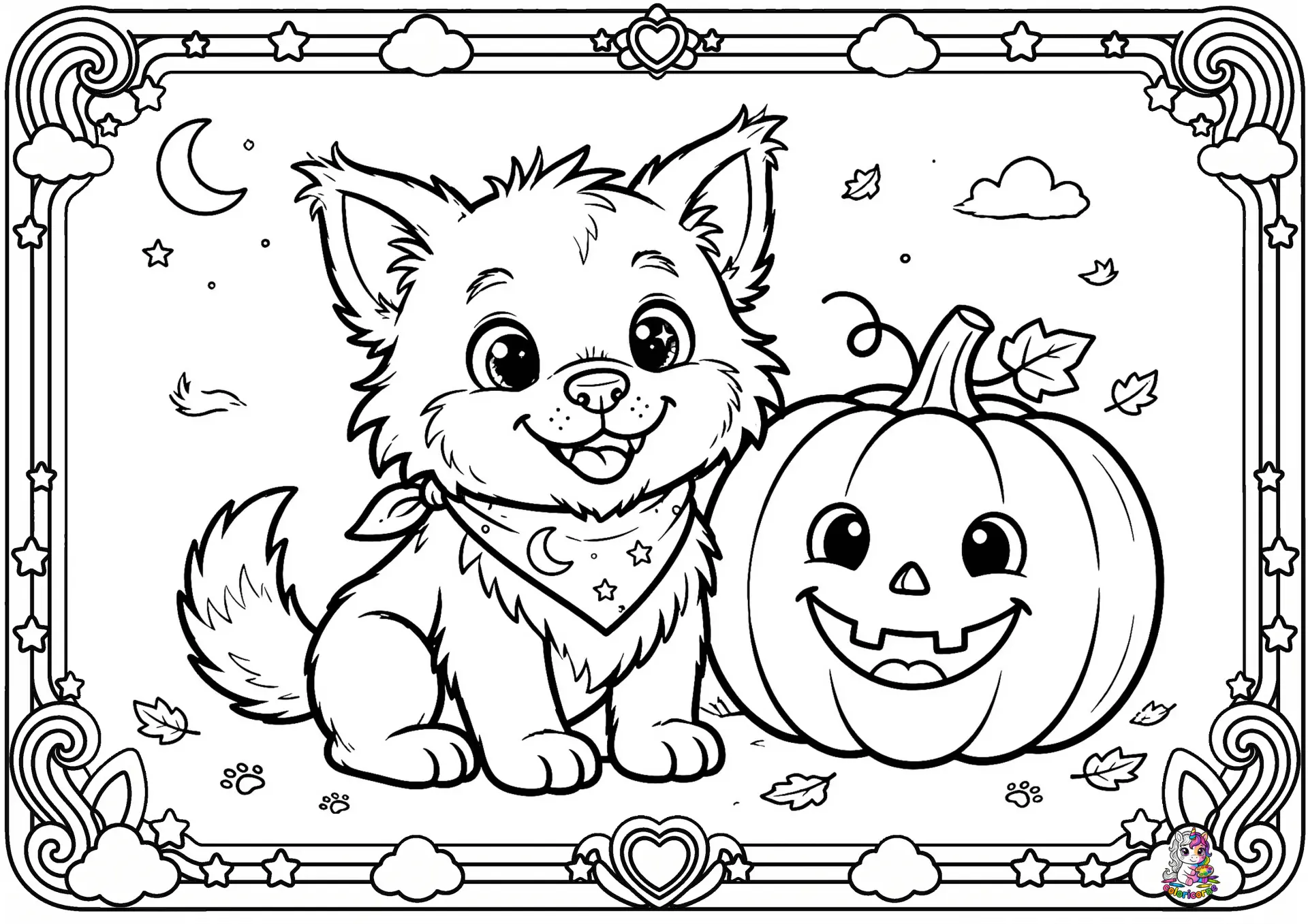 The little wolf and the pumpkin
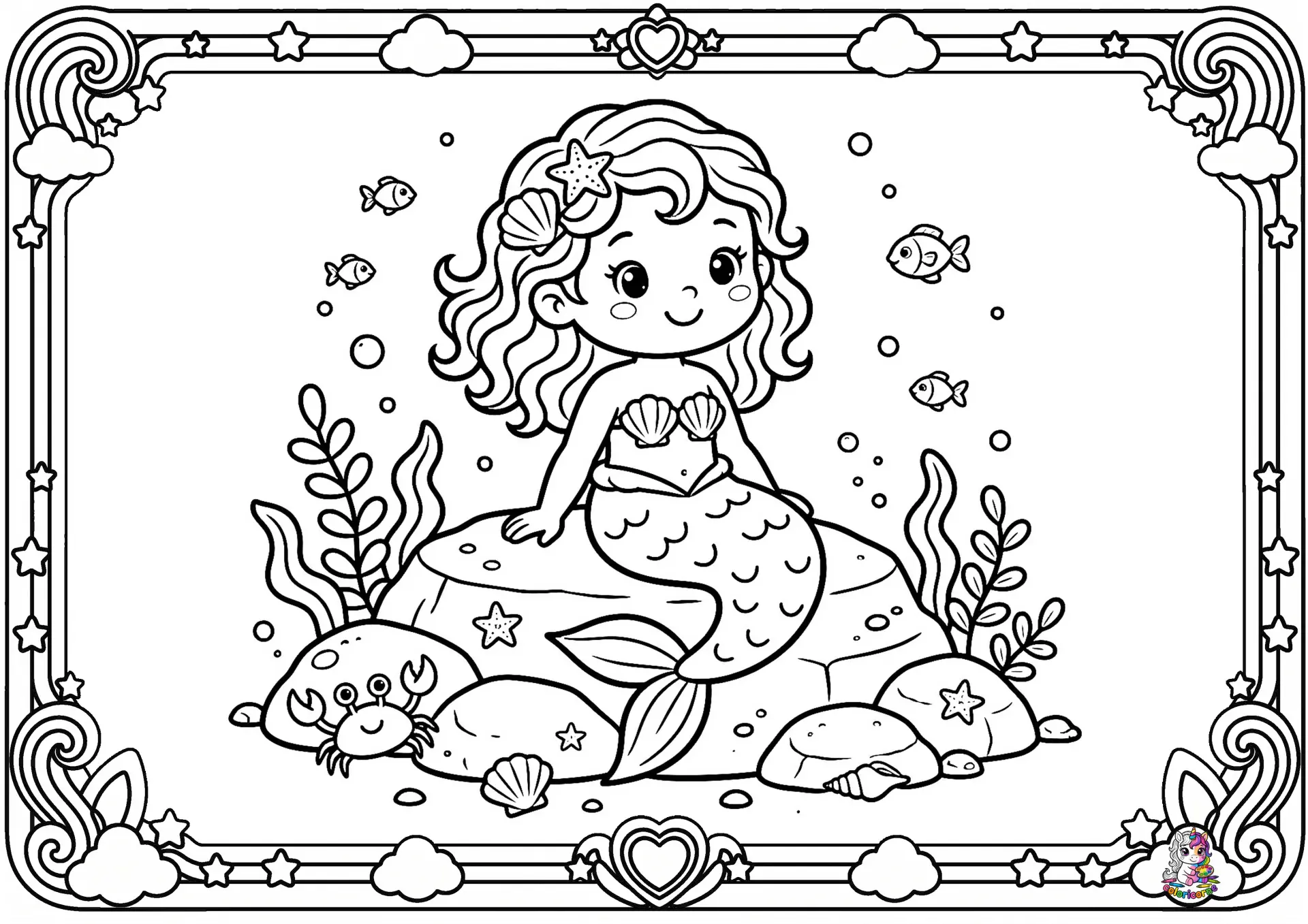 The mermaid on her rock
 The mermaid princess
 The mountain of candy
 The nutcracker
 The owl in a Christmas hat
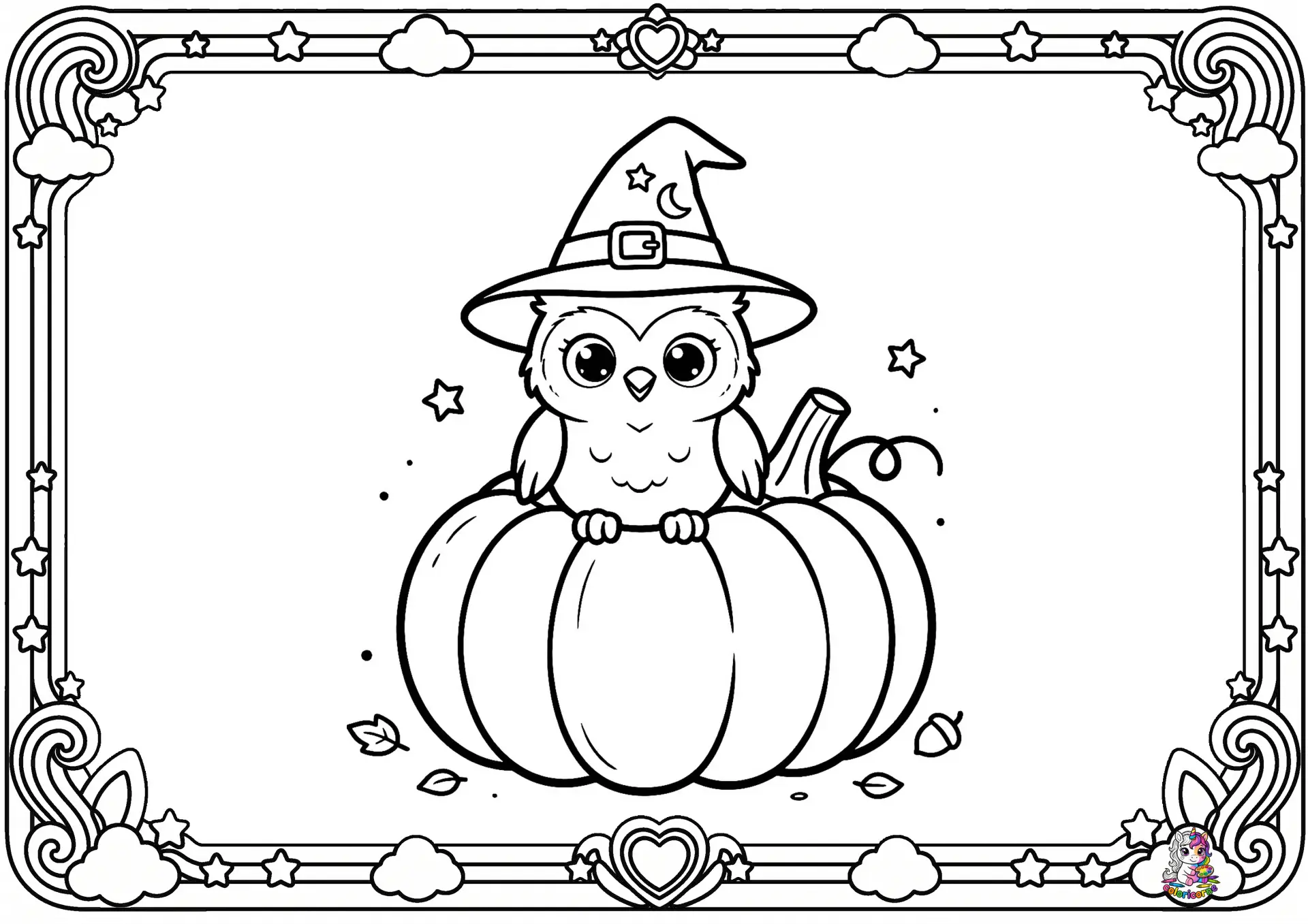 The owl on the pumpkin
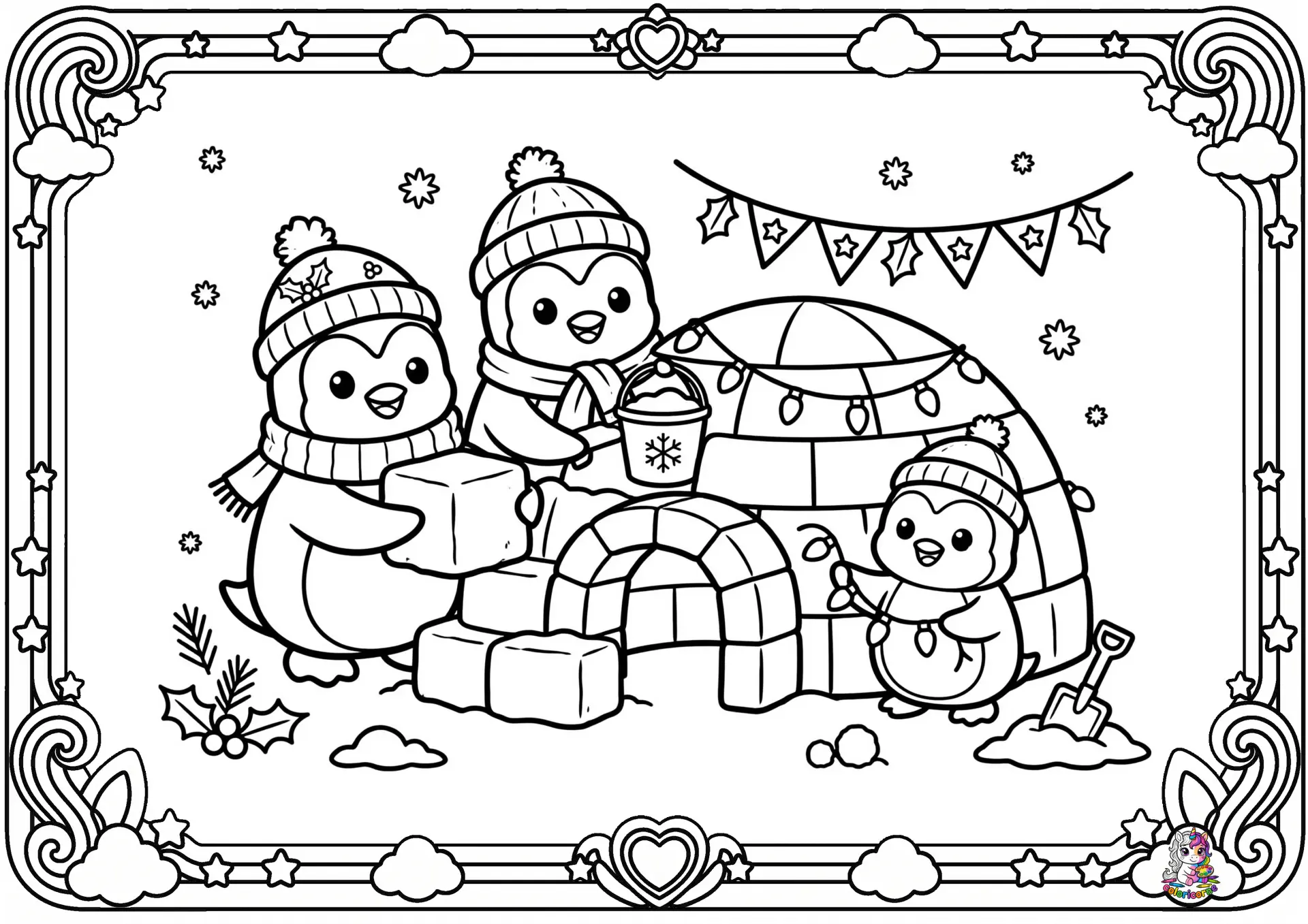 The penguin family and their igloo
 The penguin in a hat
 The penguin in a hat with his present
 The penguins and the tree
 The pickup truck full of pumpkins
 The pile of Christmas toys
 The pile of parcels
 The pizza and the strawberry
 The polar bear and his cocoa
 The polar bear cub and the string of lights
 The polka-dot egg and its big bow
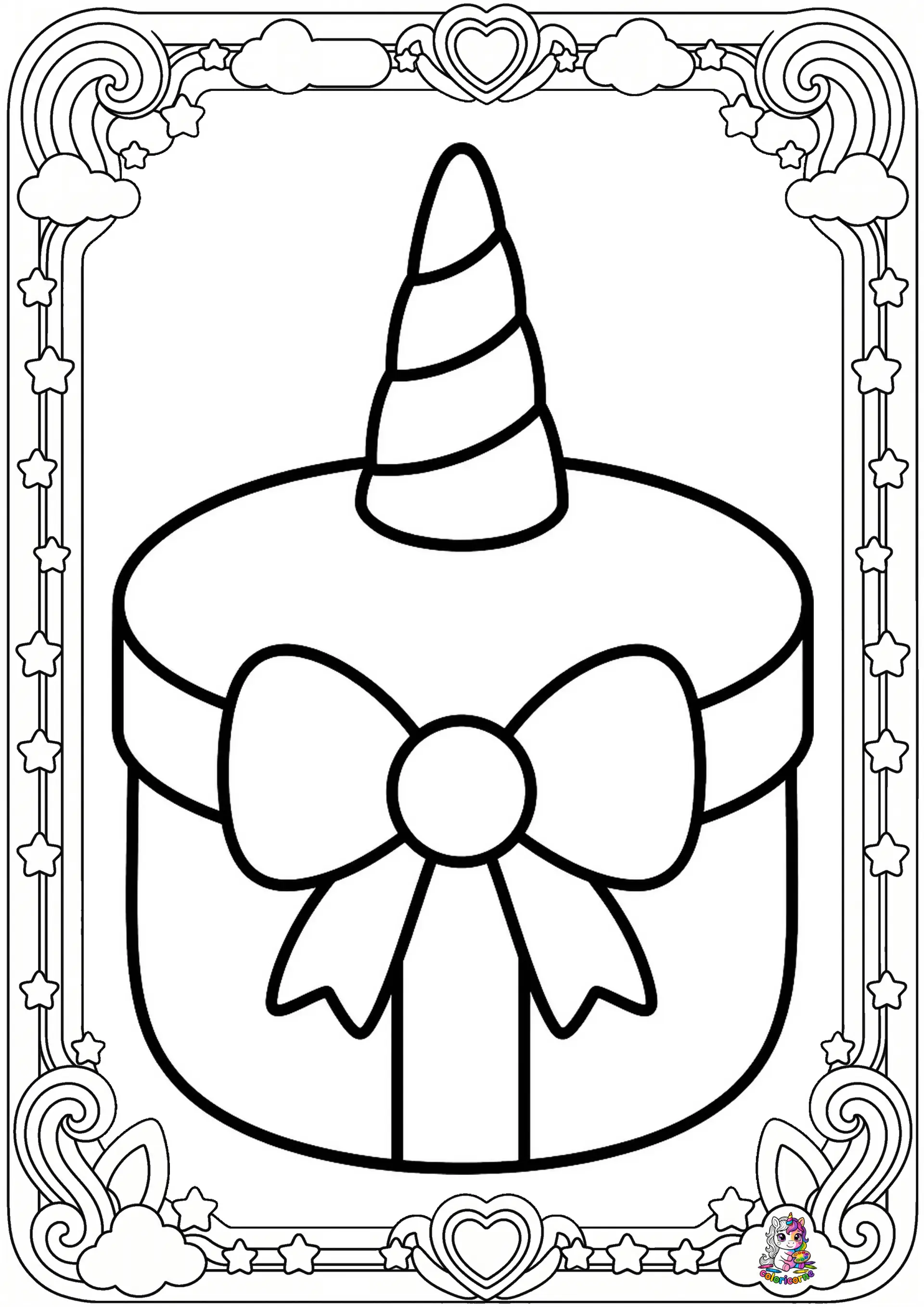 The present
 The Present For Mom
 The prince and princess’s ball
 The princess and the little dragon
 The princess in the garden
 The princess outside her castle
 The princess’s bedroom
 The princess’s carriage
 The princess’s tea party
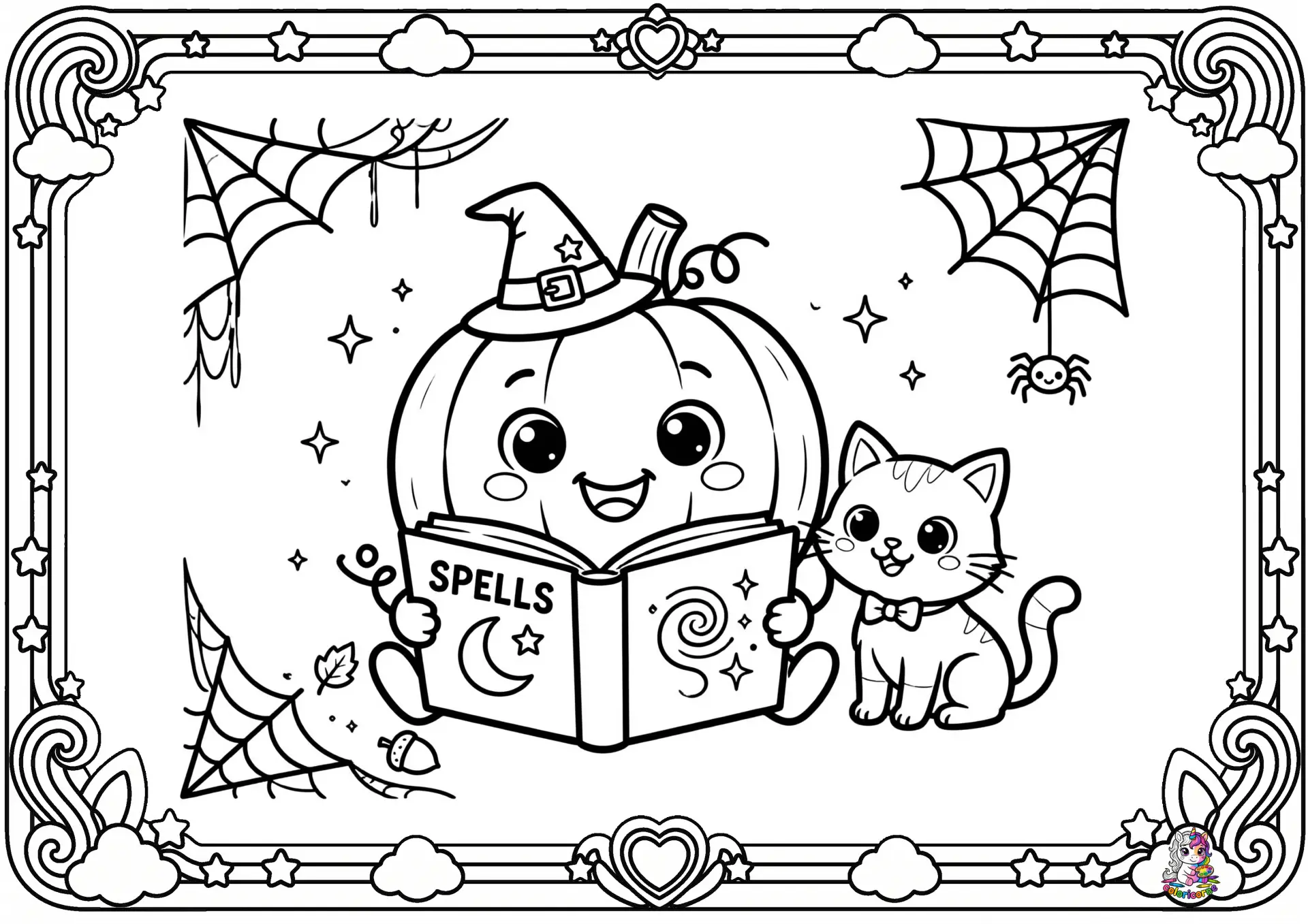 The pumpkin and its spell book
 The pumpkin and little monster masks
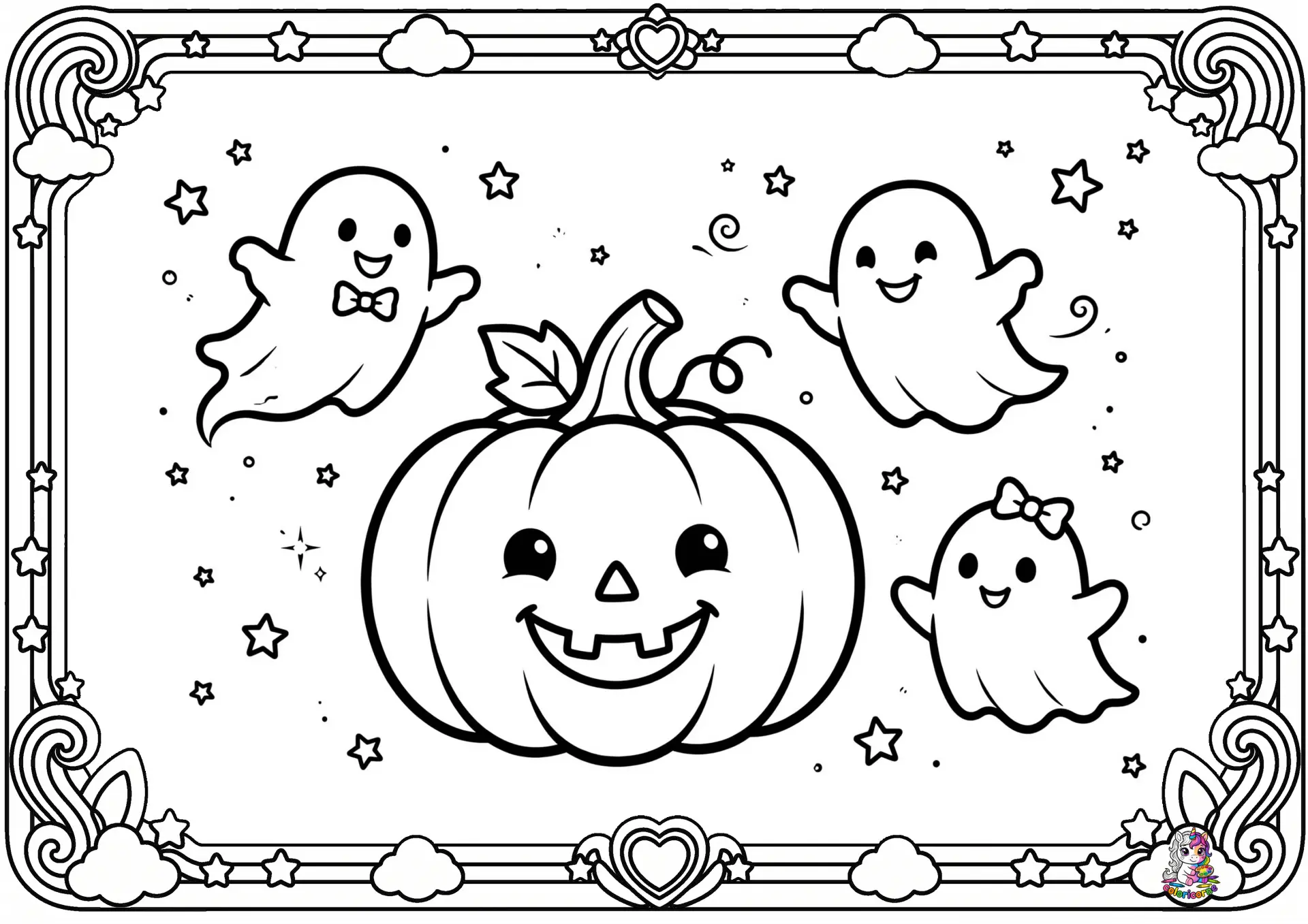 The pumpkin and the three ghosts
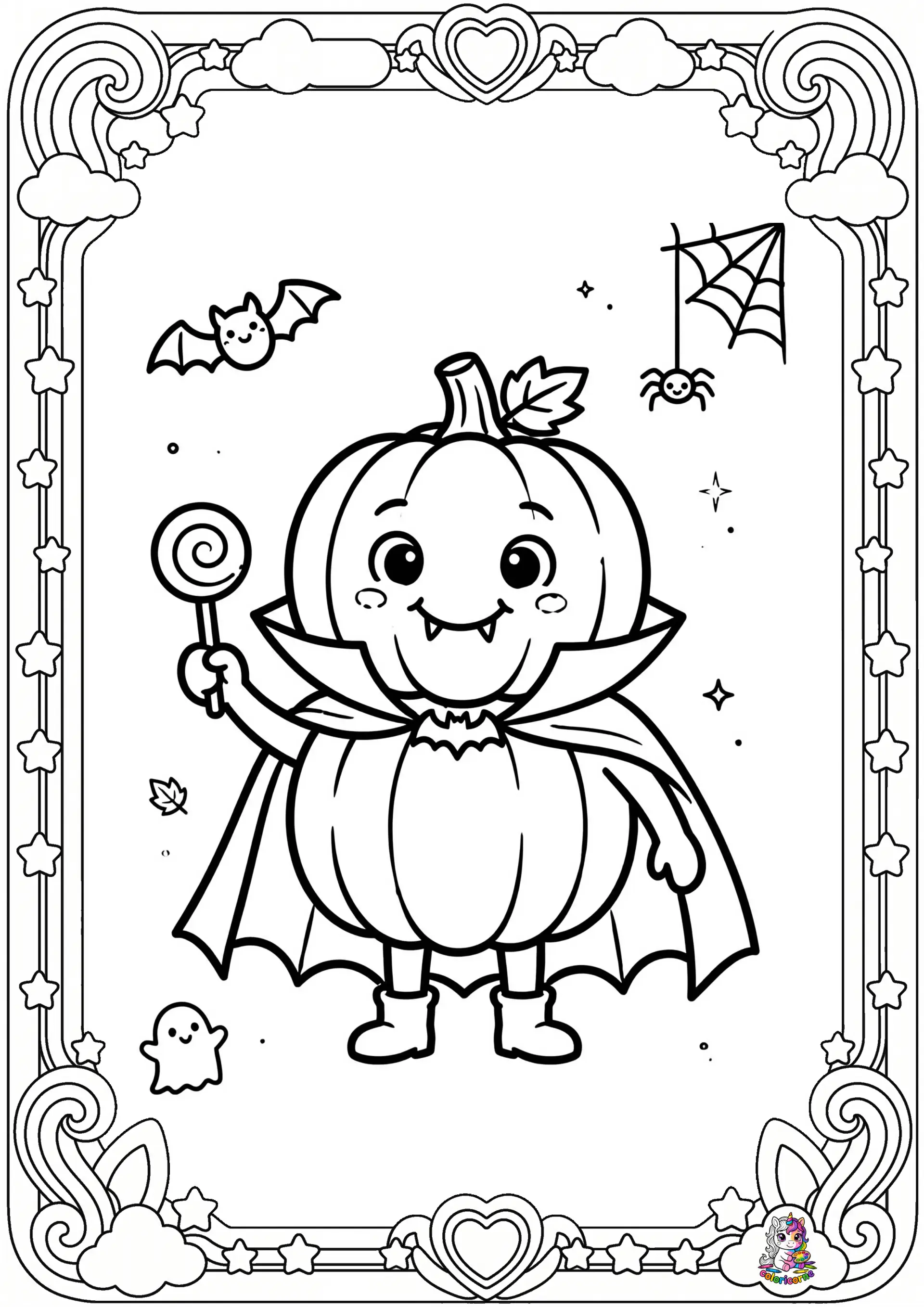 The pumpkin dressed as a vampire
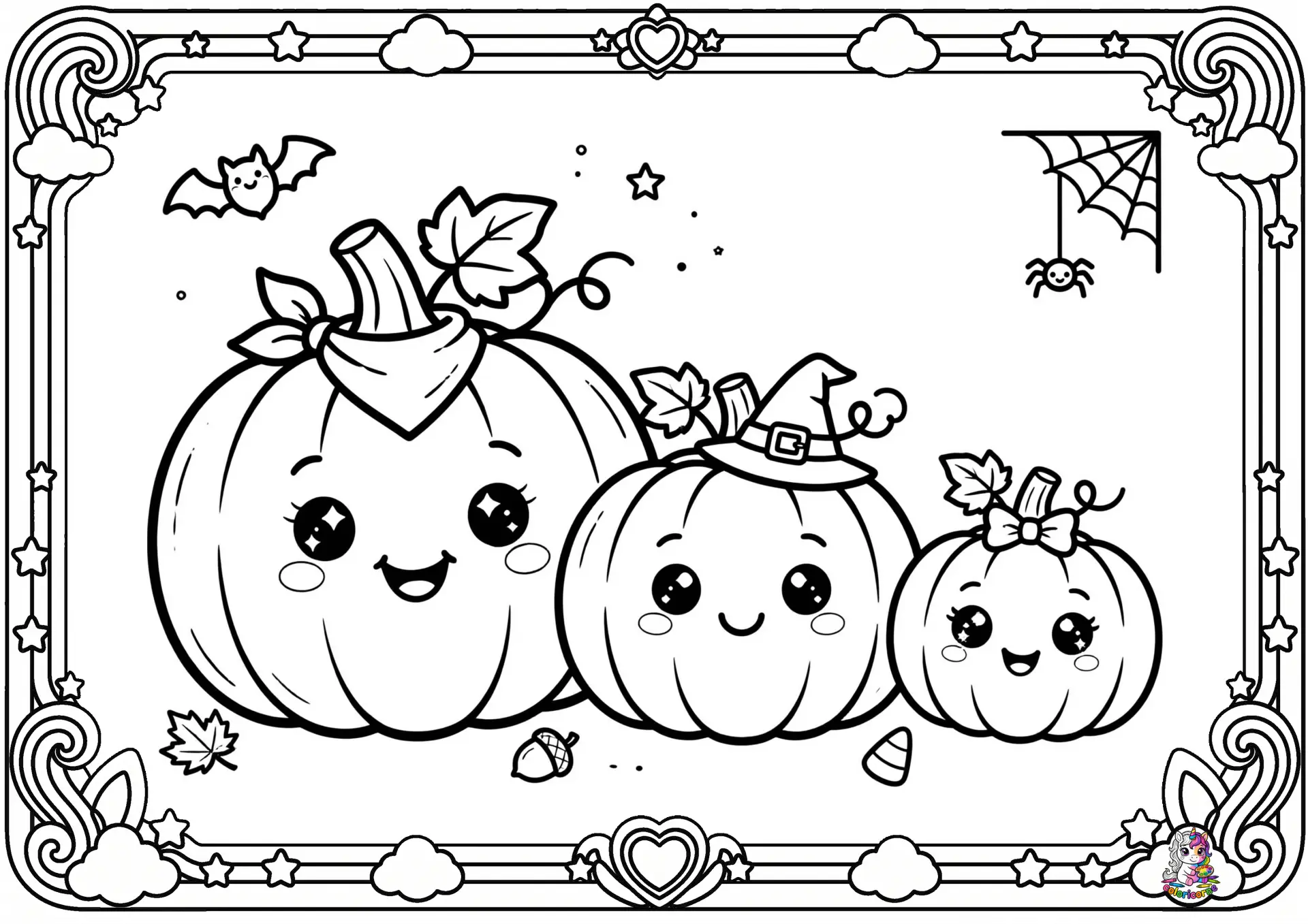 The pumpkin family
 The pumpkin house
 The pumpkin in a superhero cape
 The pumpkin in the tall pointed hat
 The pumpkin on its skateboard
 The pumpkin picnic
 The puppy in the Christmas stocking
 The reindeer and its garland
 The reindeer and the sleigh
 The reindeer family by the tree
 The shared snack
 The show
 The skeleton puppet to put together
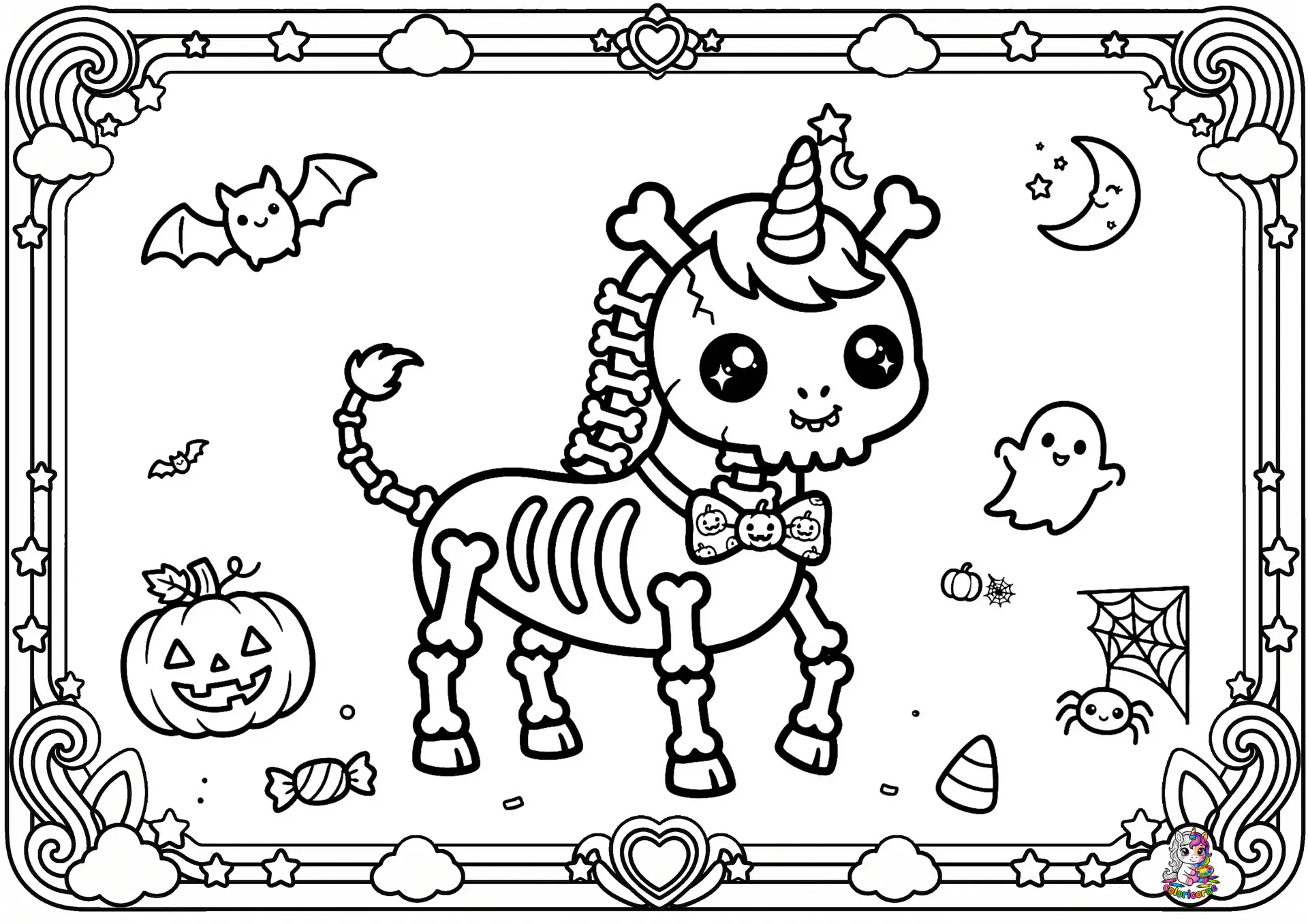 The skeleton unicorn
 The sleigh pulled by four reindeer
 The smiling pumpkin
 The smiling pumpkins and spiders
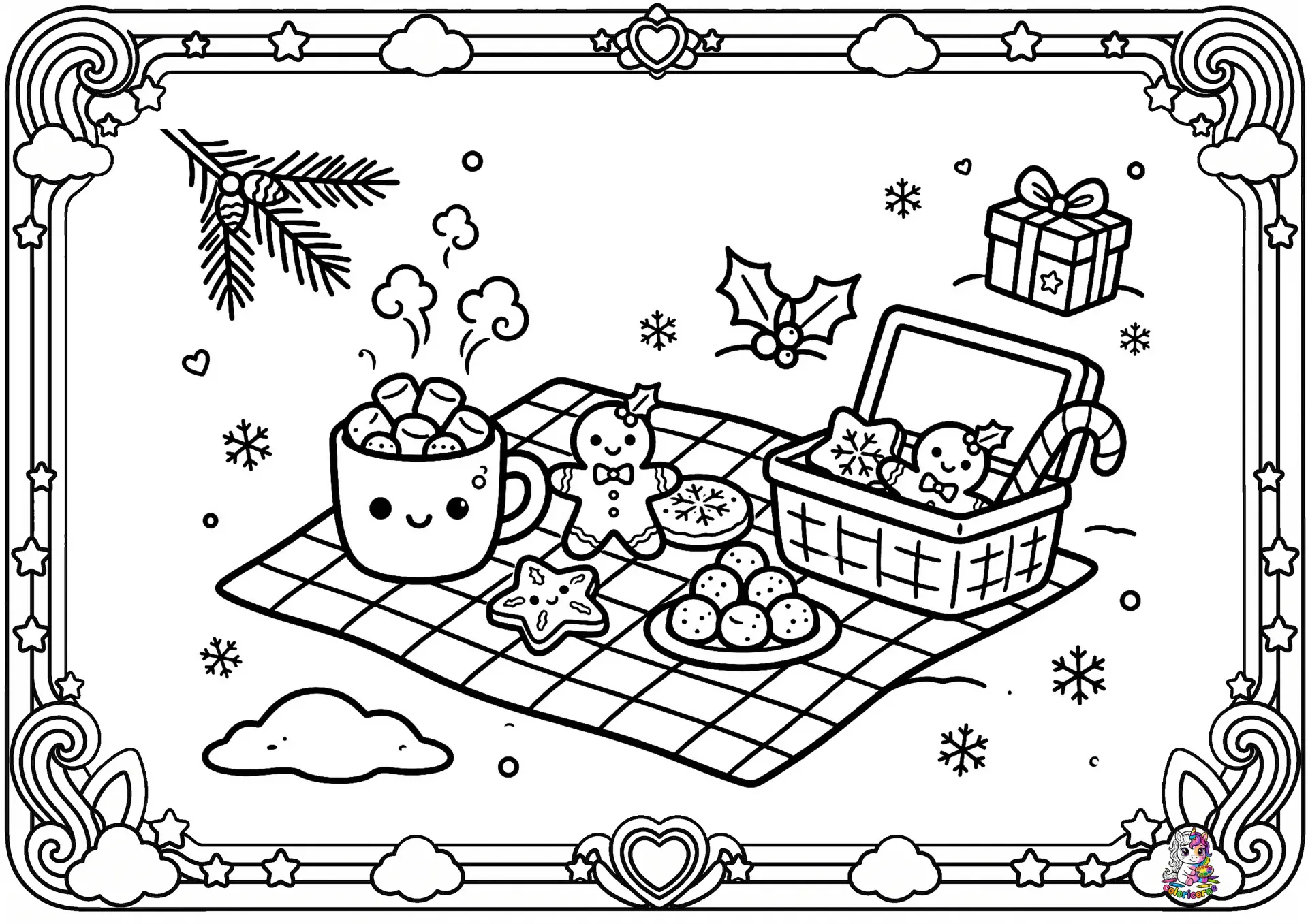 The snack in the snow
 The snow globe
 The snowman family
 The snowman in the top hat
 The snowman with a broom
 The snowman with the striped scarf
 The snowmen and their little one
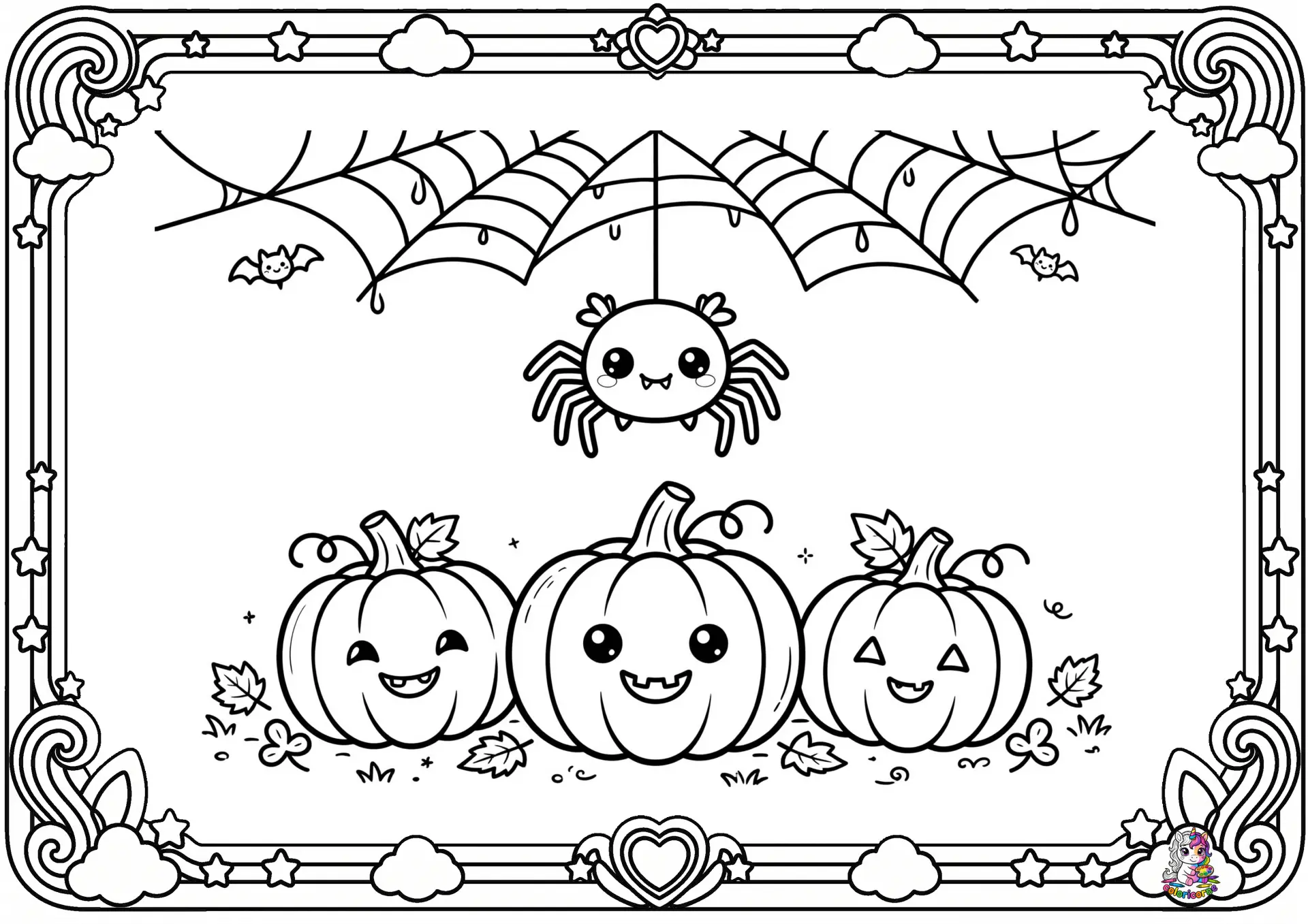 The spider above the three pumpkins
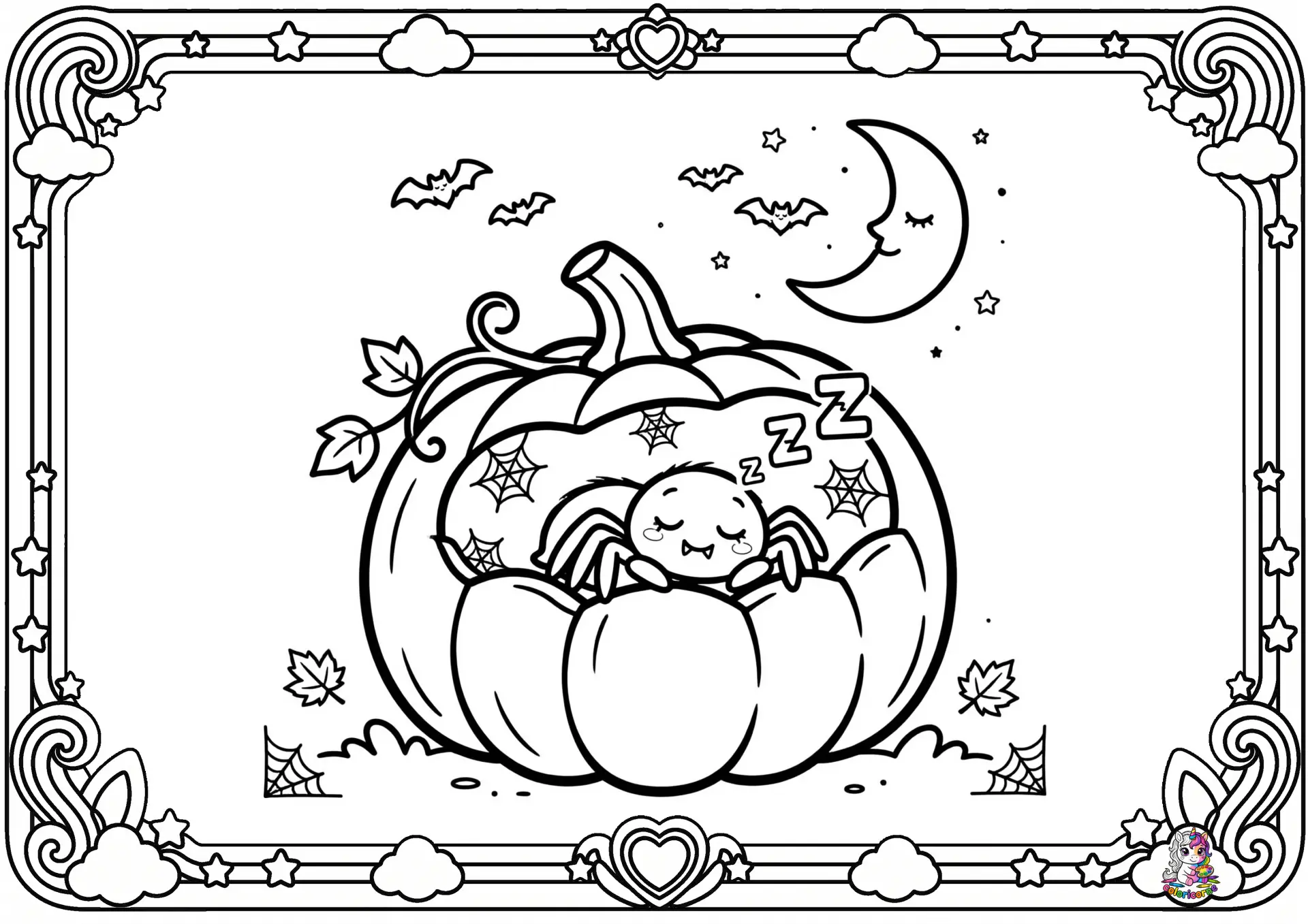 The spider asleep in the pumpkin
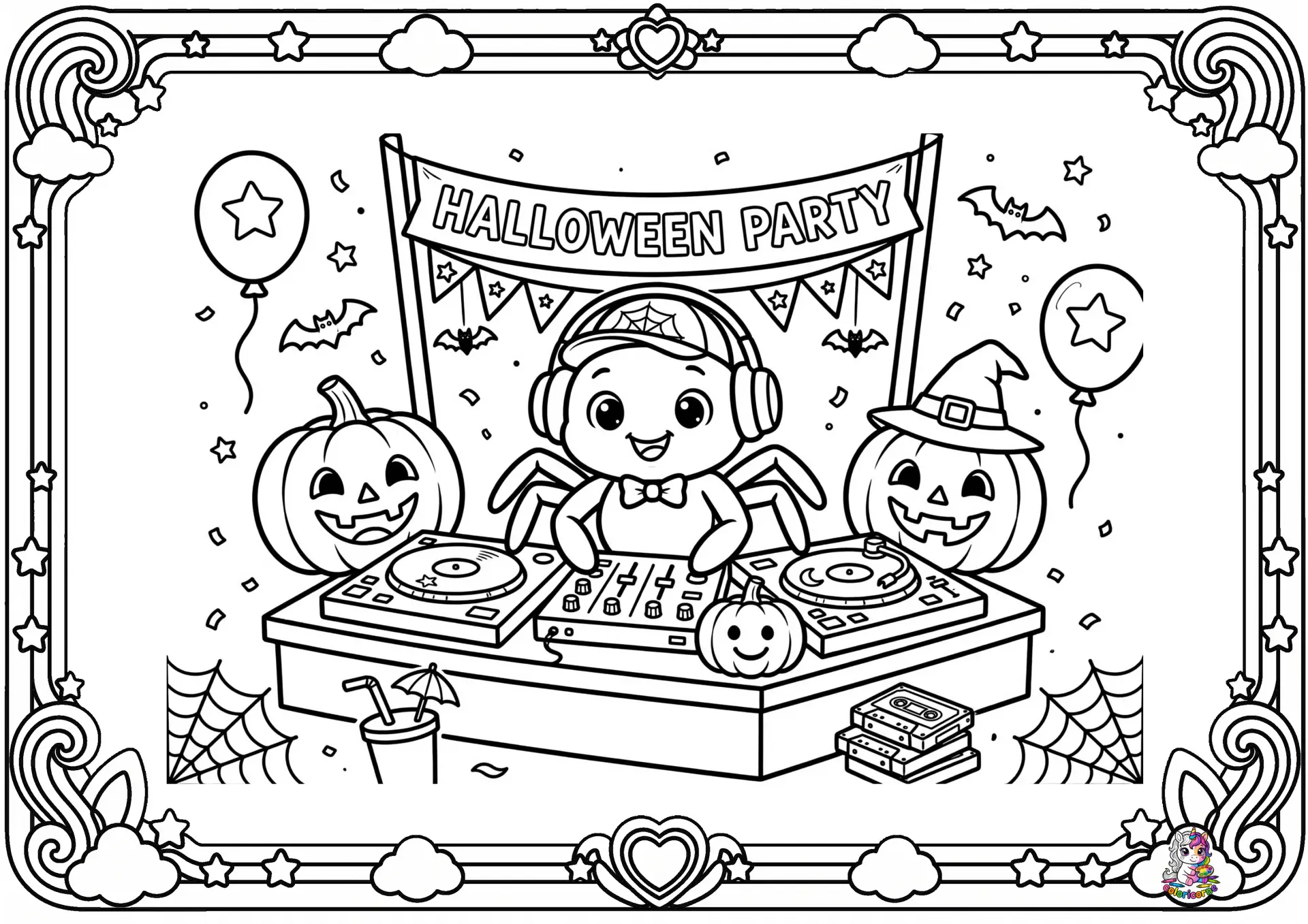 The spider at the turntables
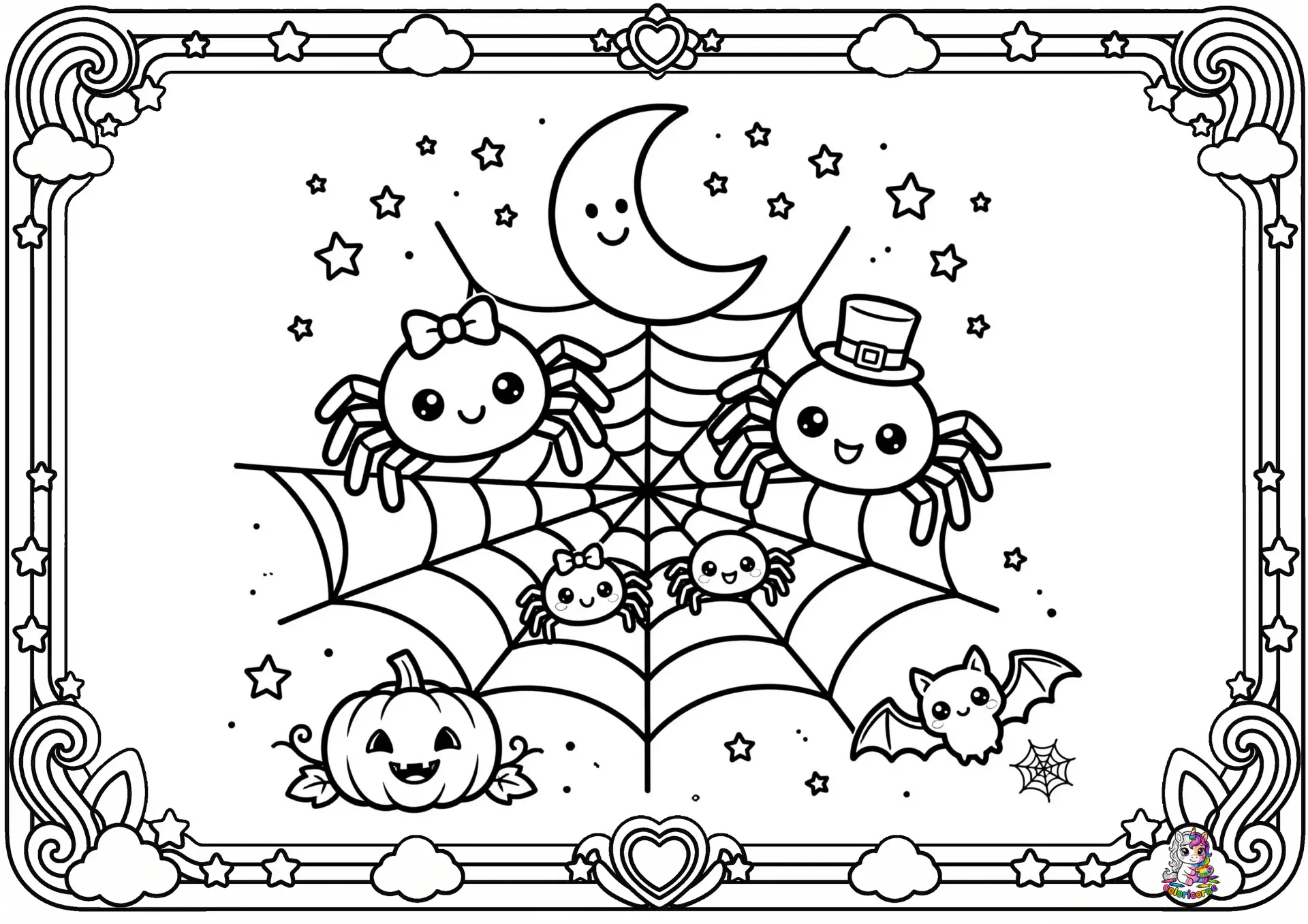 The spider family on their web
 The spider in the teacup
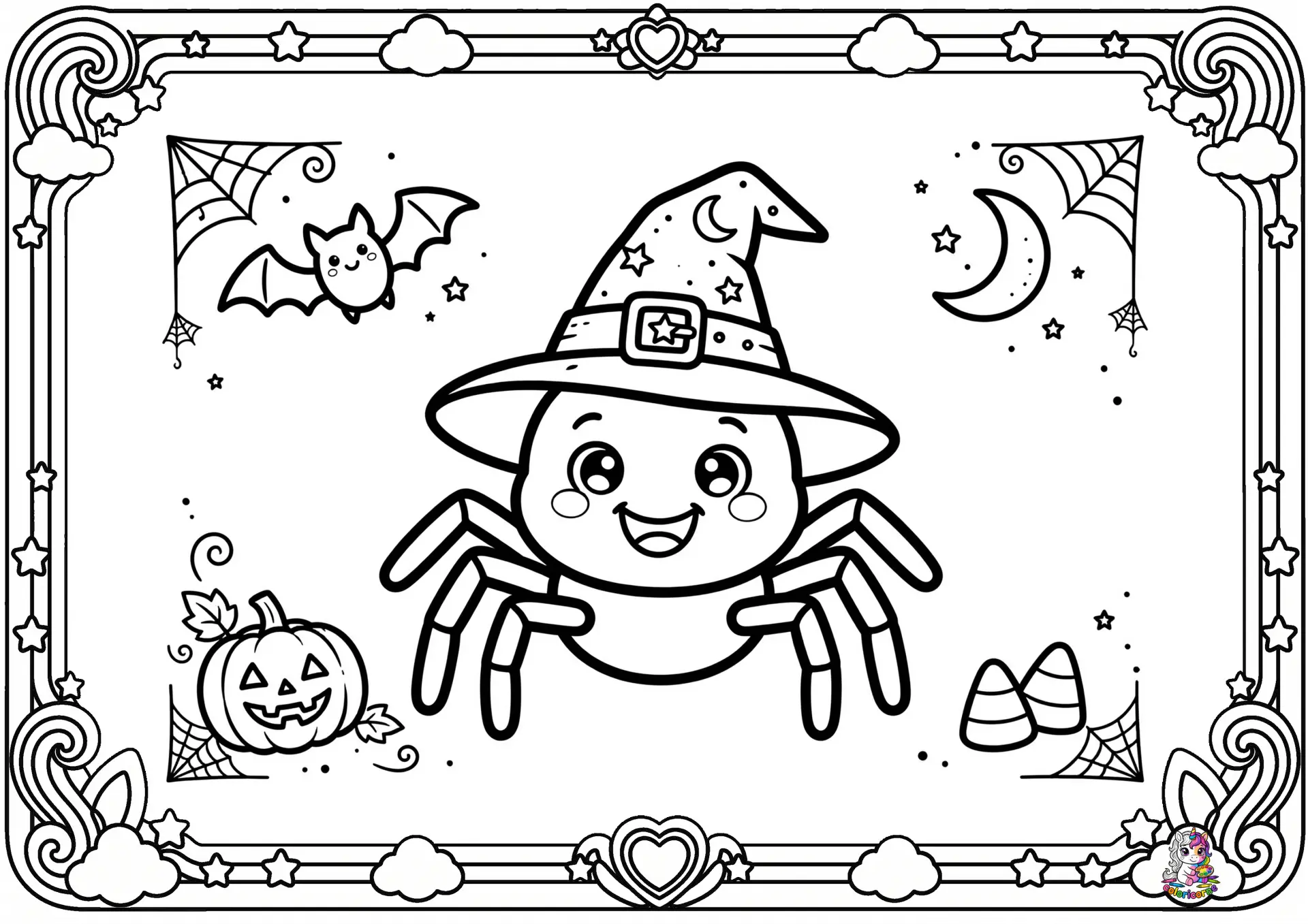 The spider in the witch hat
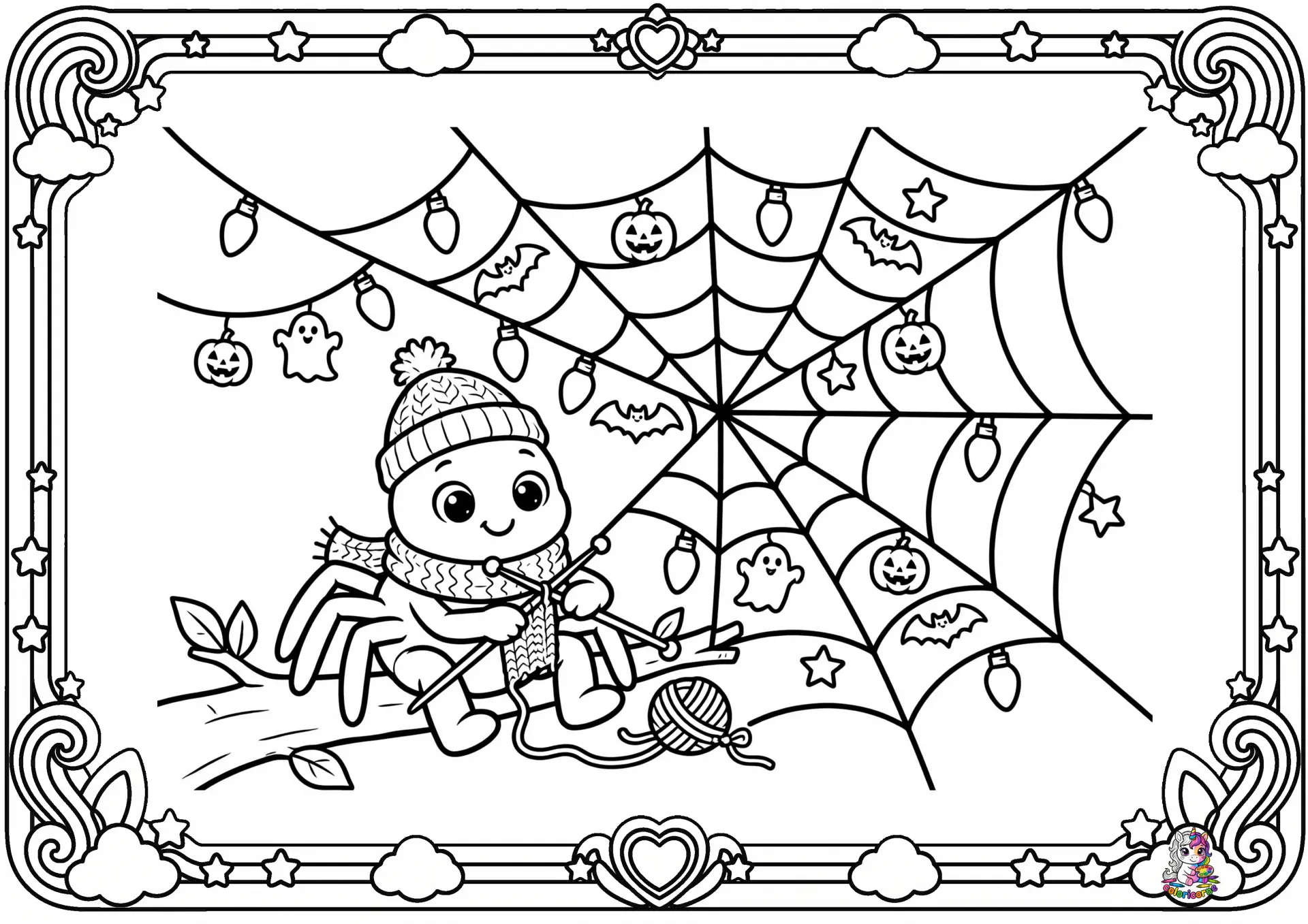 The spider knitting her web
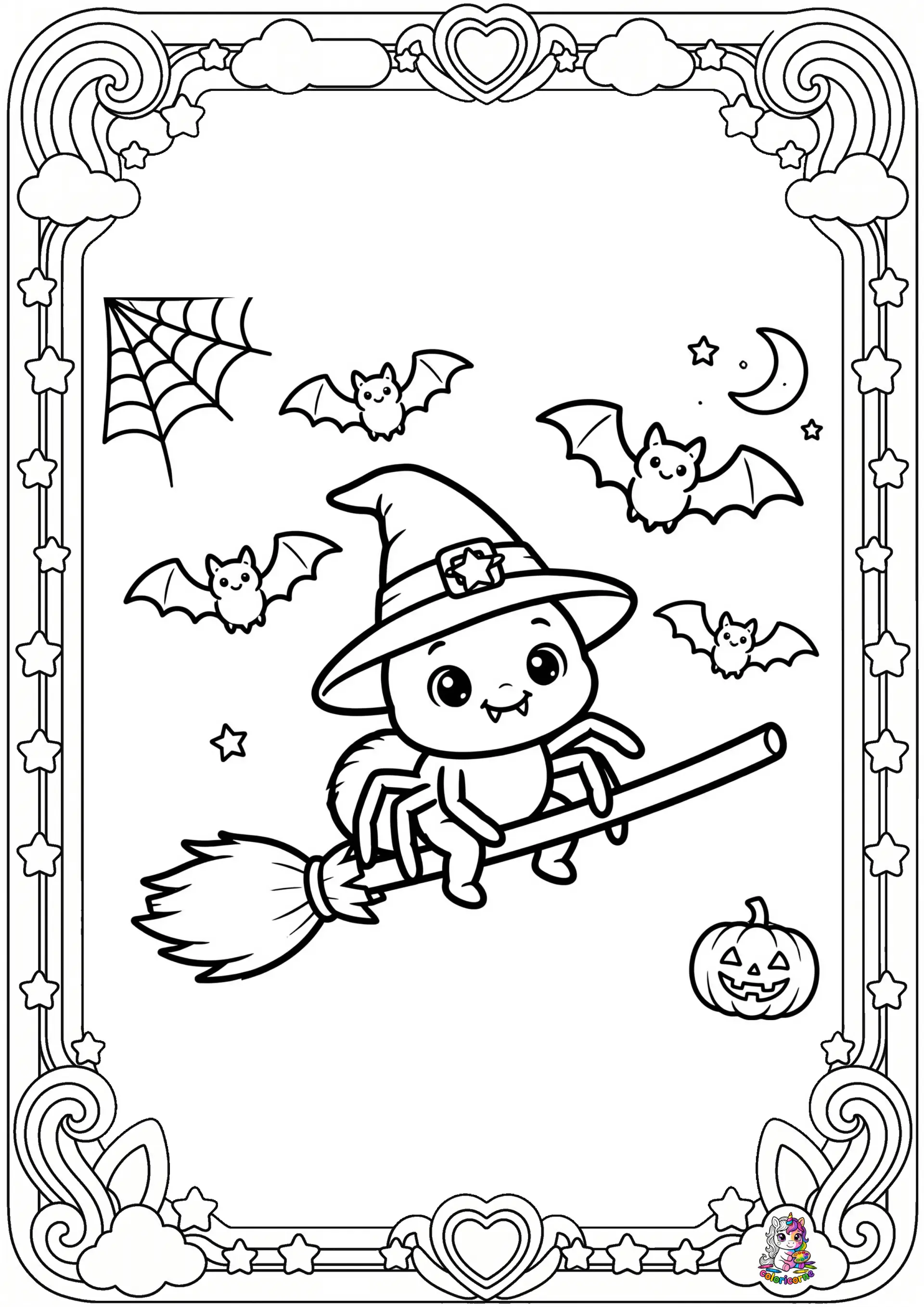 The spider on her broomstick
 The starry present
 The stockings on the fireplace
 The string of lights
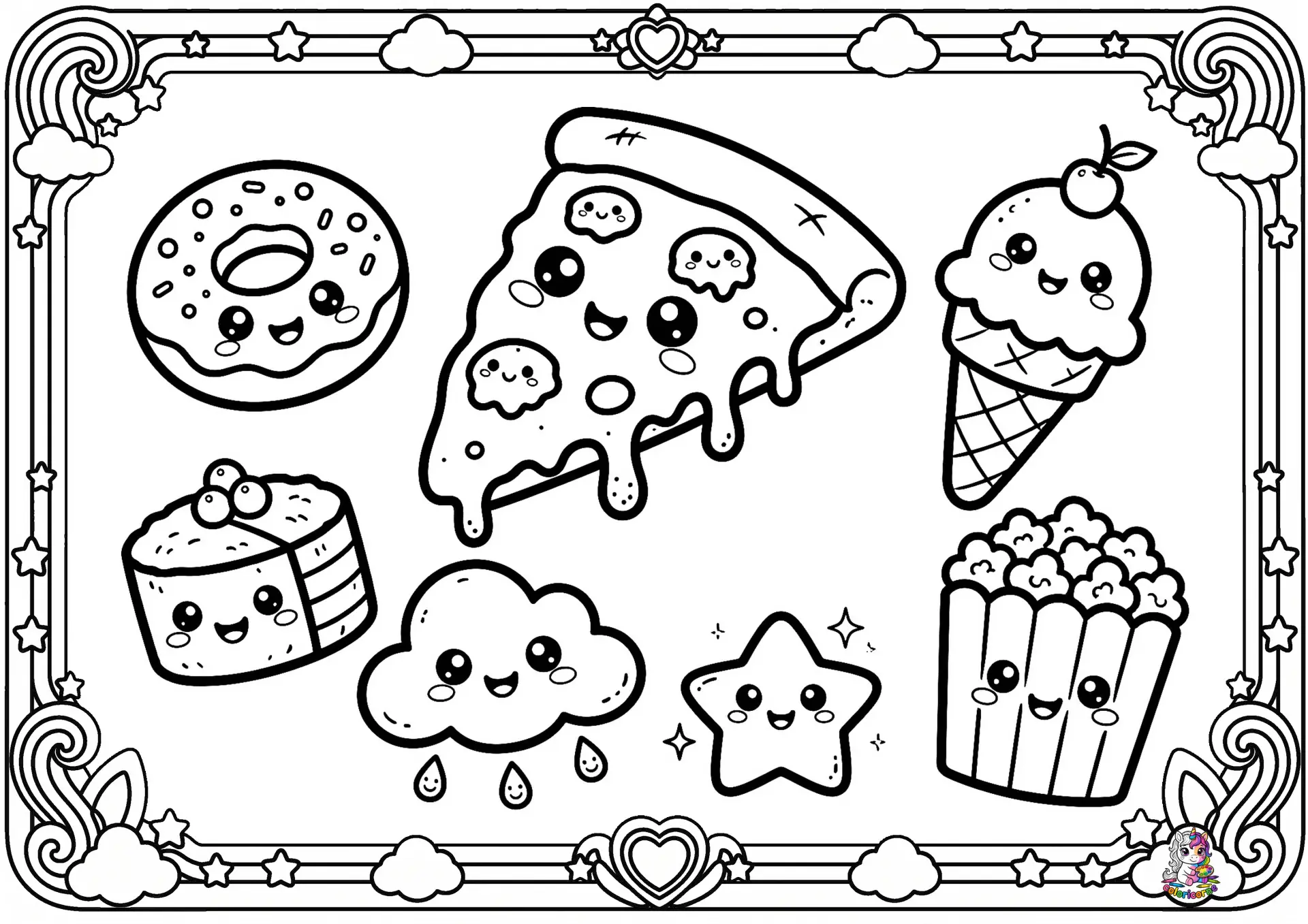 The sweet treats
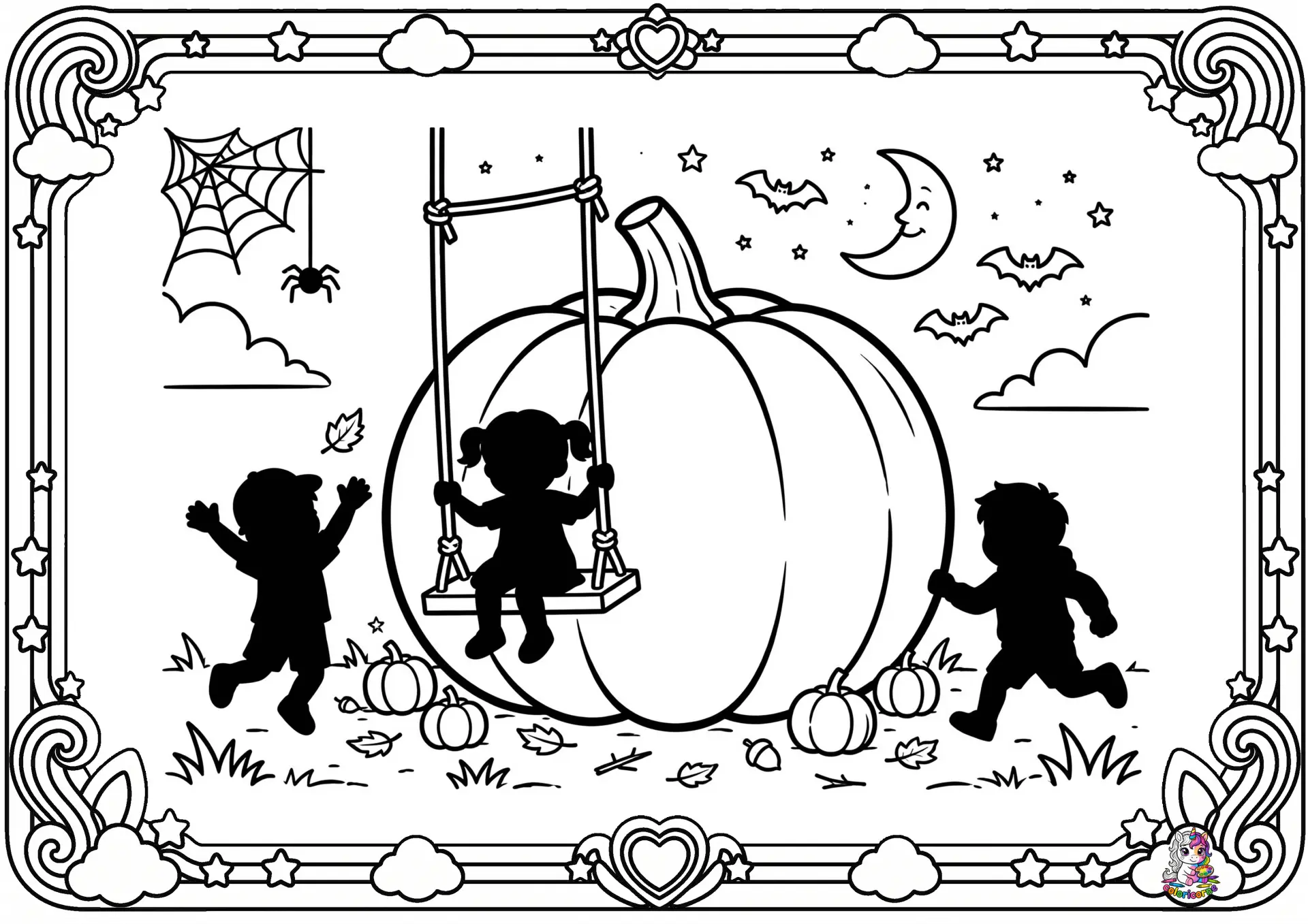 The swing on the big pumpkin
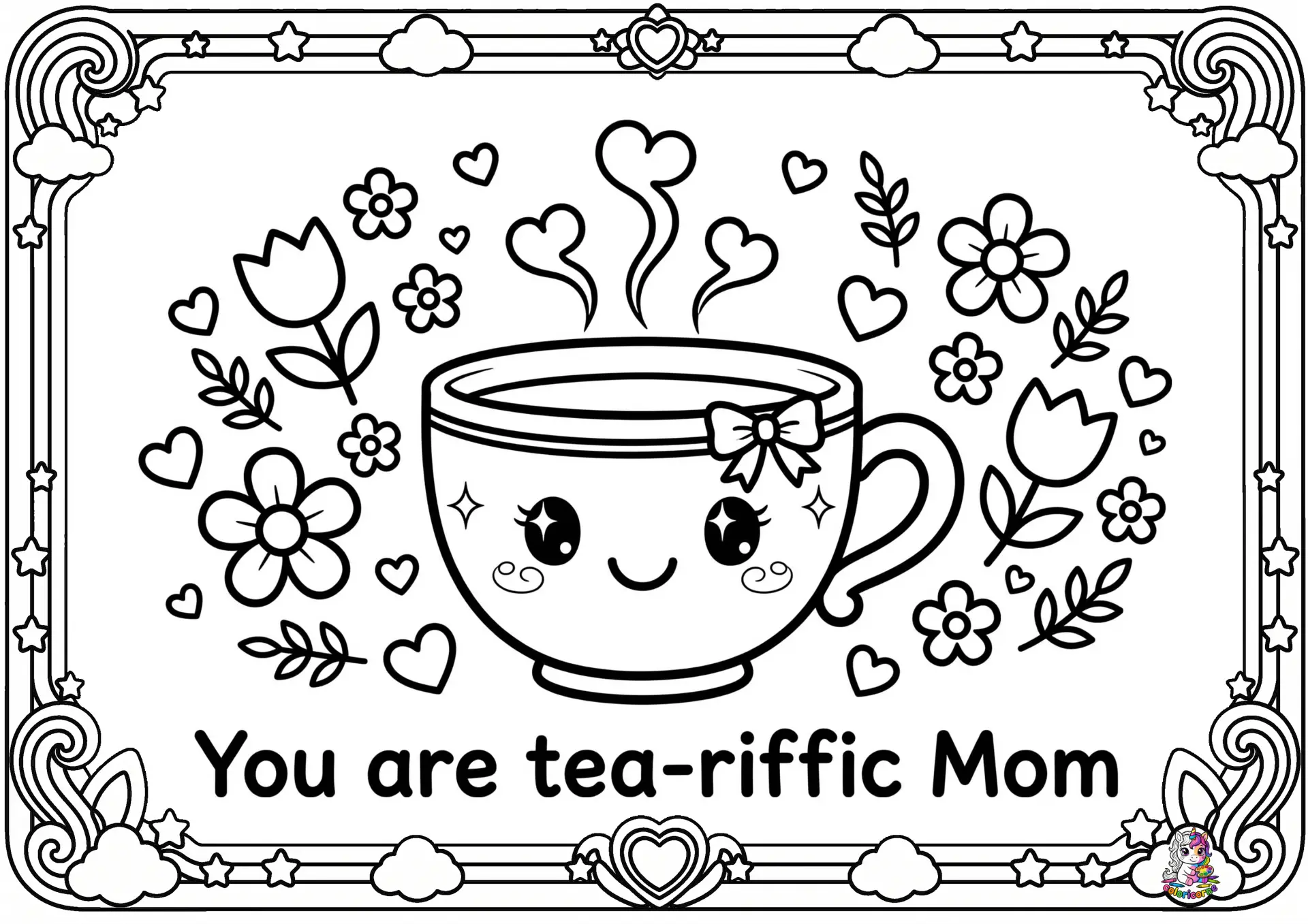 The Tea-riffic Cup For Mom
 The three gnomes
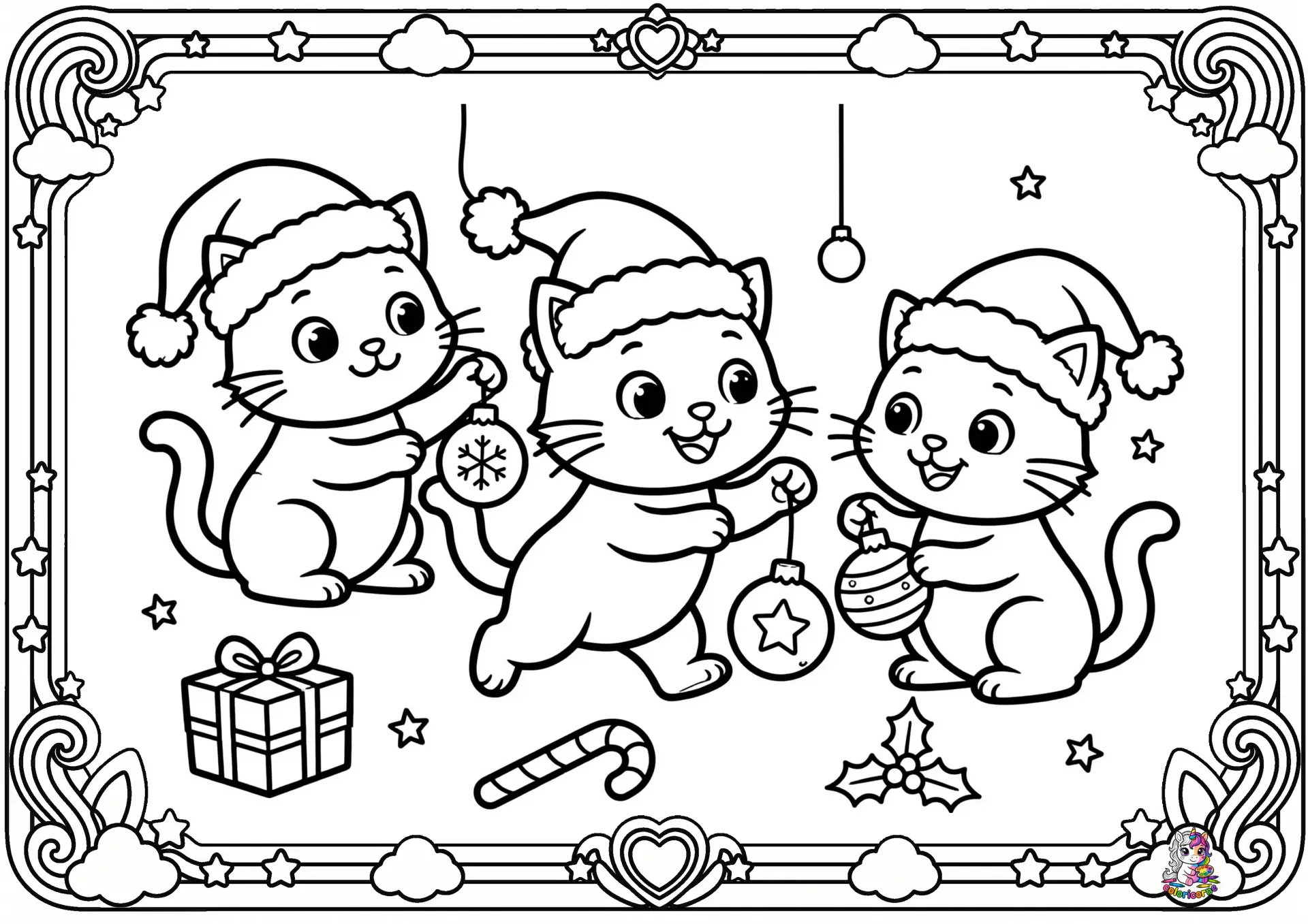 The three kittens in Christmas hats
 The three little vampires outside the castle
 The three princesses
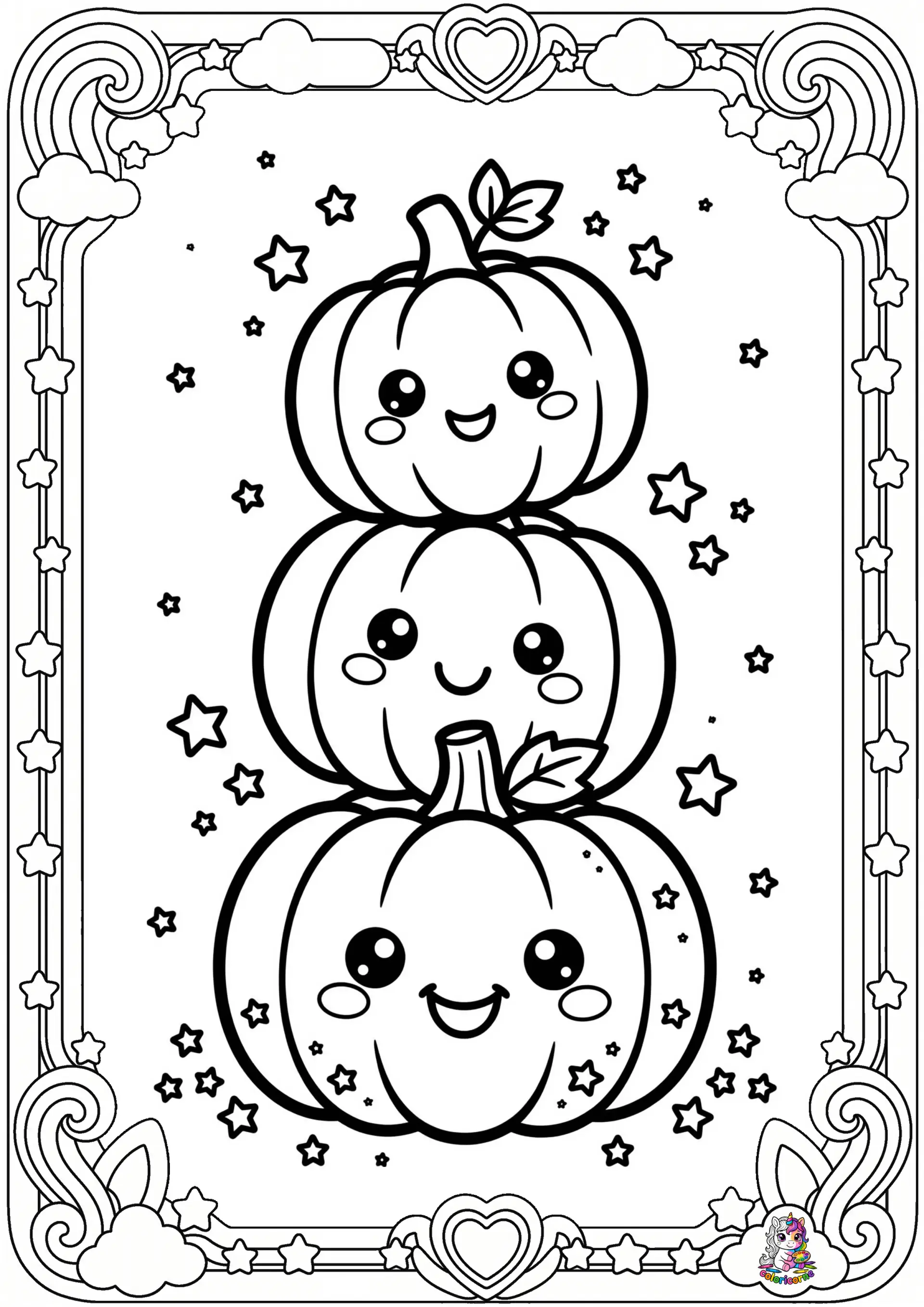 The three stacked pumpkins
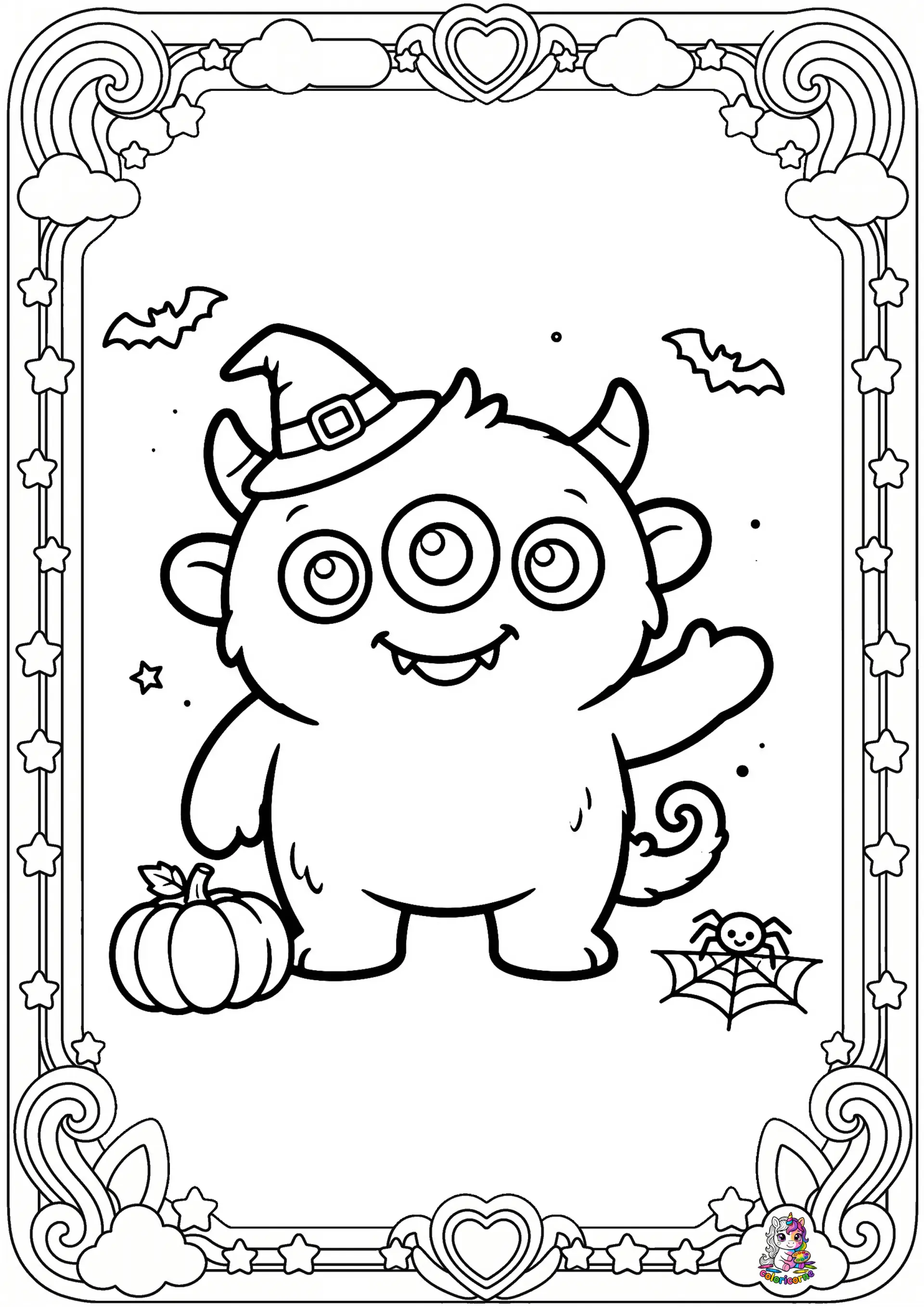 The three-eyed monster
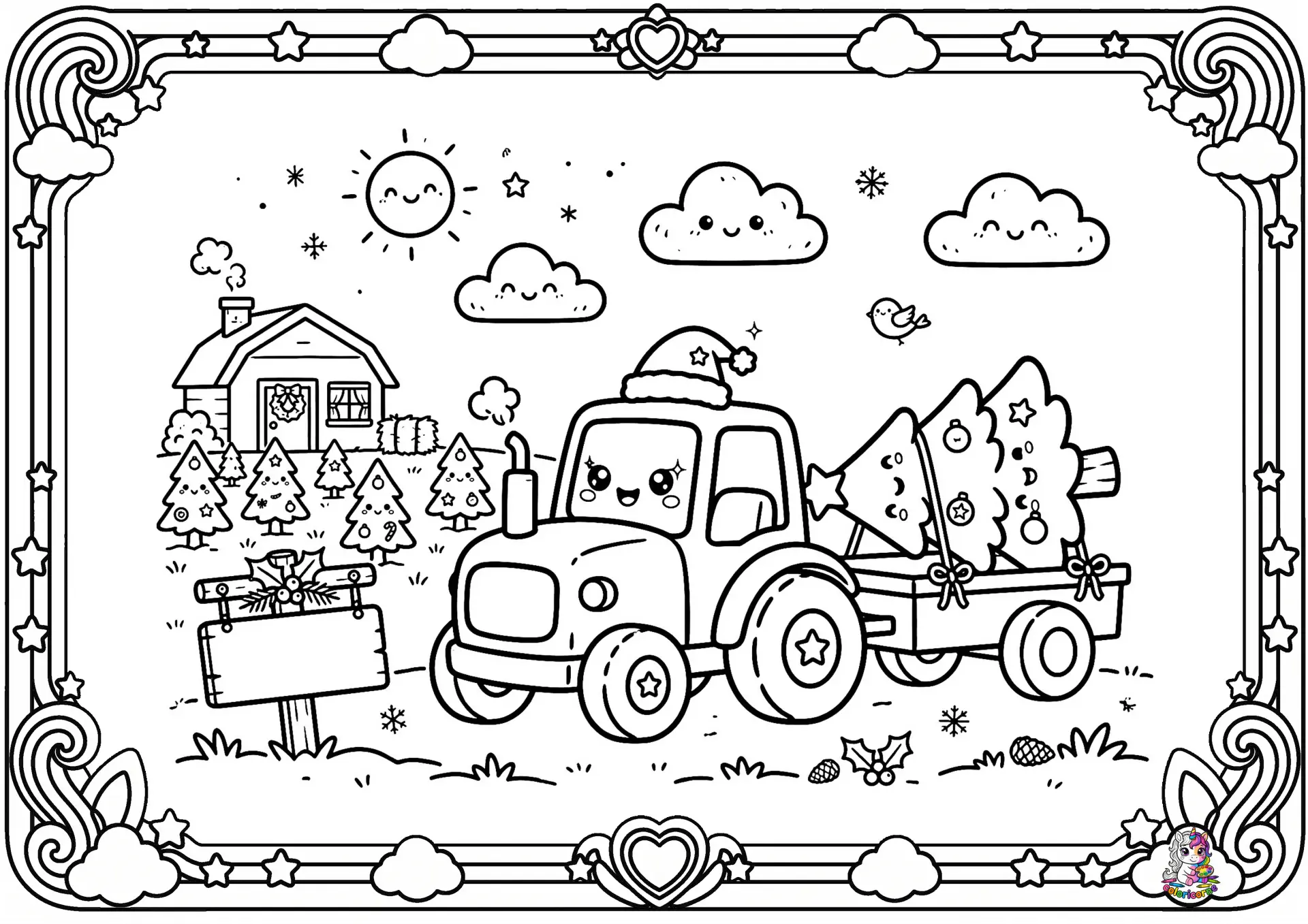 The tractor and the fir trees
 The treasure hunt
 The tree and its baubles
 The tree and its three presents
 The two baskets of the egg hunt
 The two bats and the three pumpkins
 The two bunnies' Easter picnic
 The two chicks in the nest of decorated eggs
 The two ghosts
 The unicorn clown
 The unicorns on stage
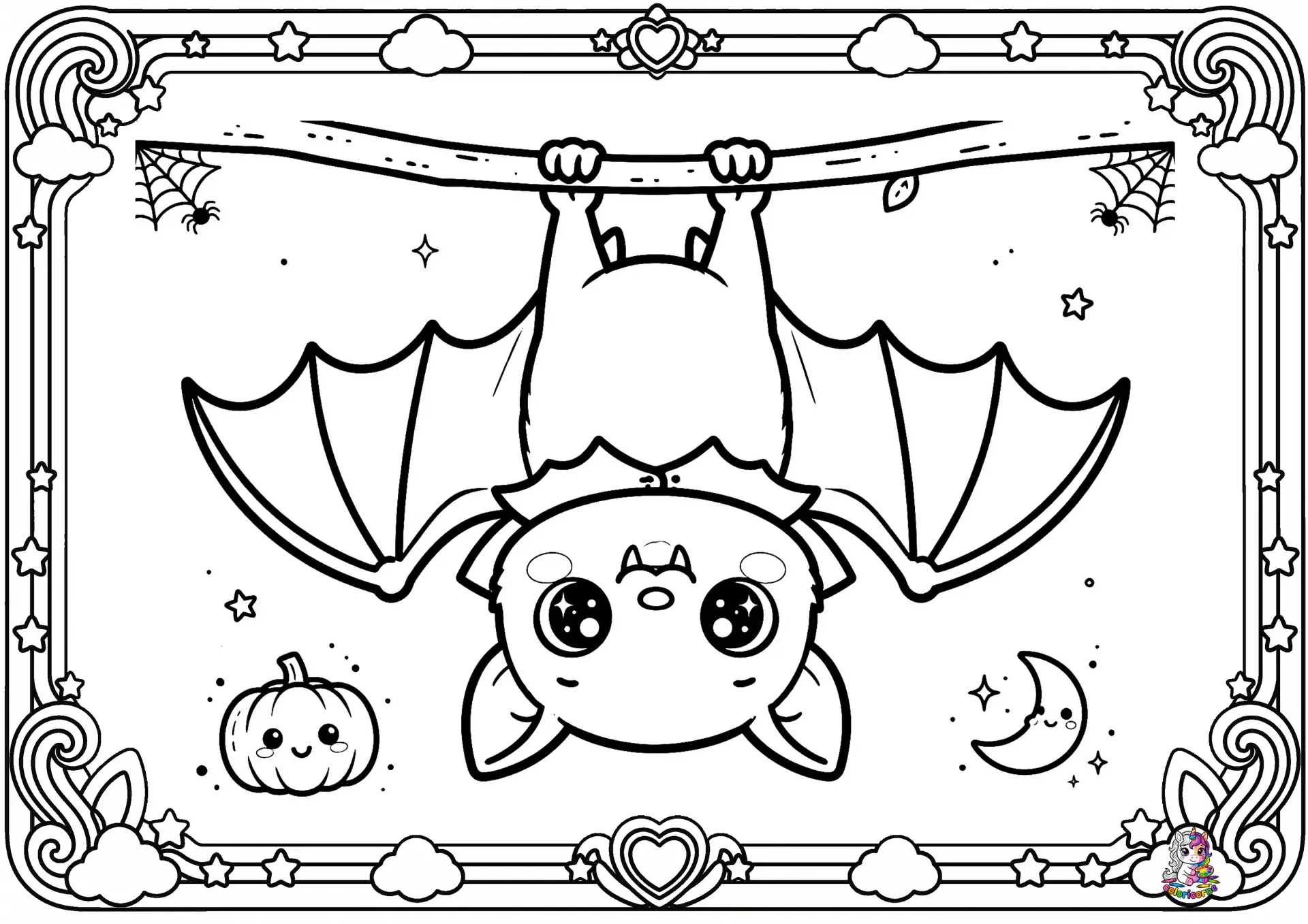 The upside-down bat
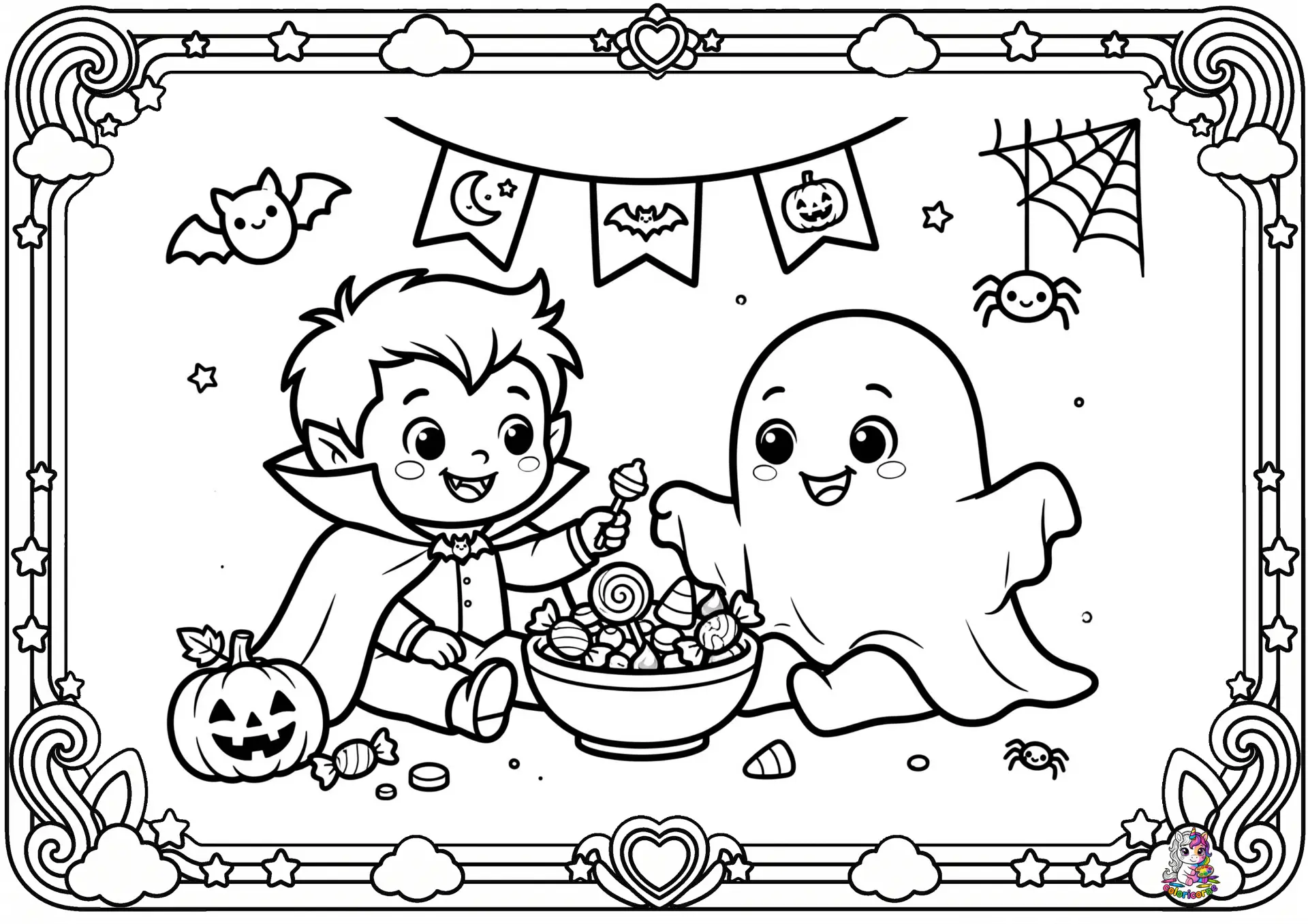 The vampire and the ghost sharing the candy
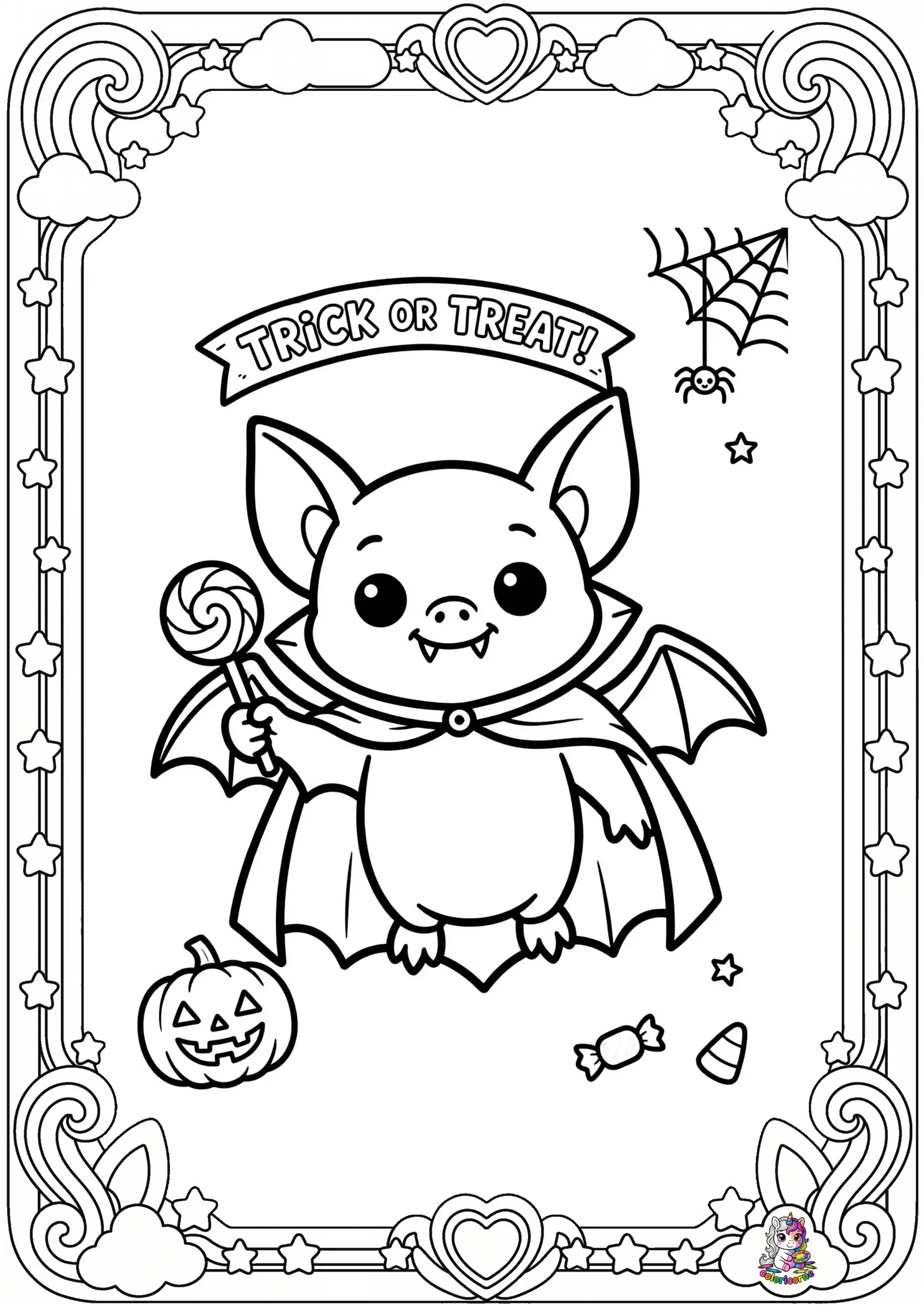 The vampire bat and its lollipop
 The vampire on his skateboard
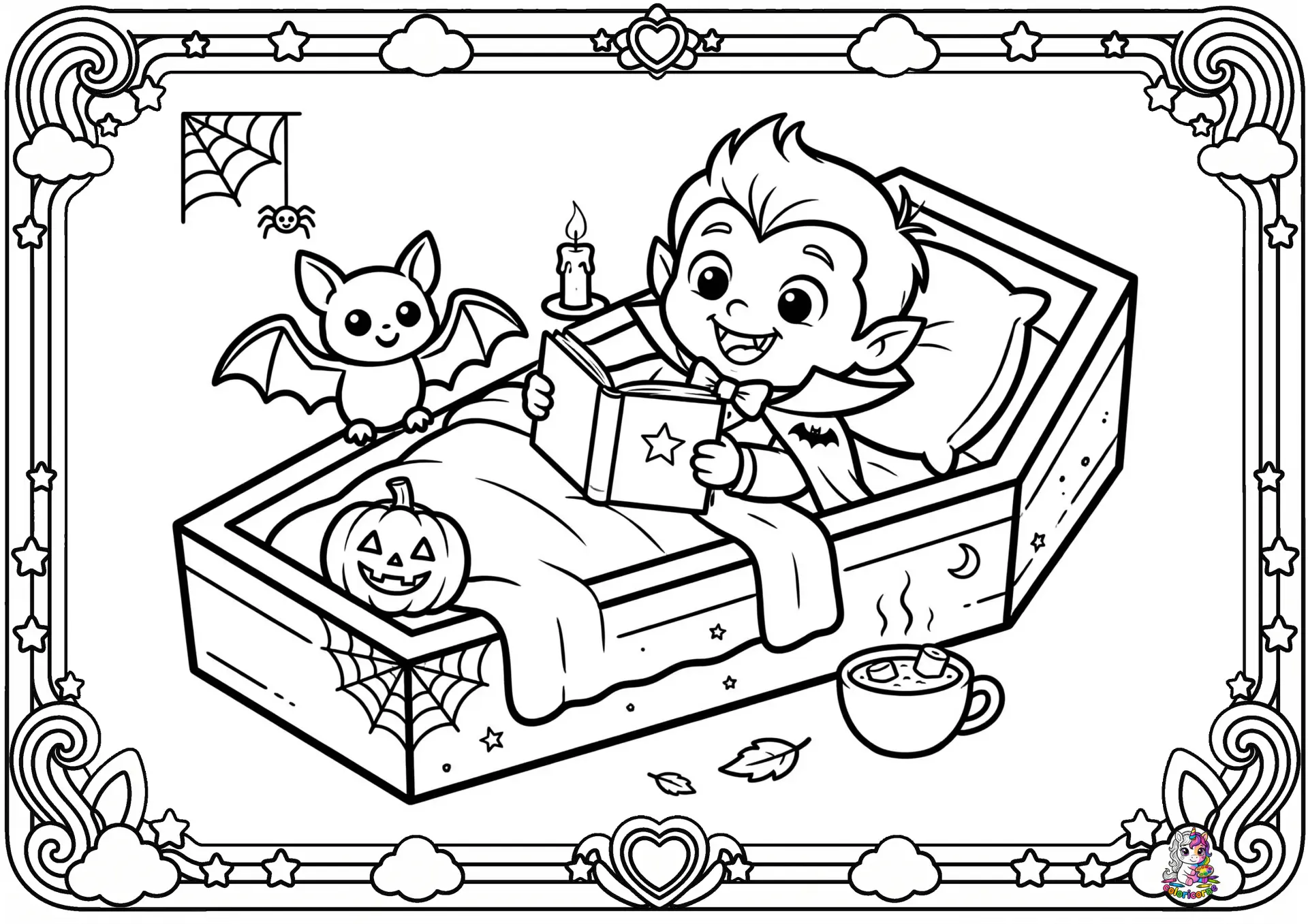 The vampire reading in his coffin
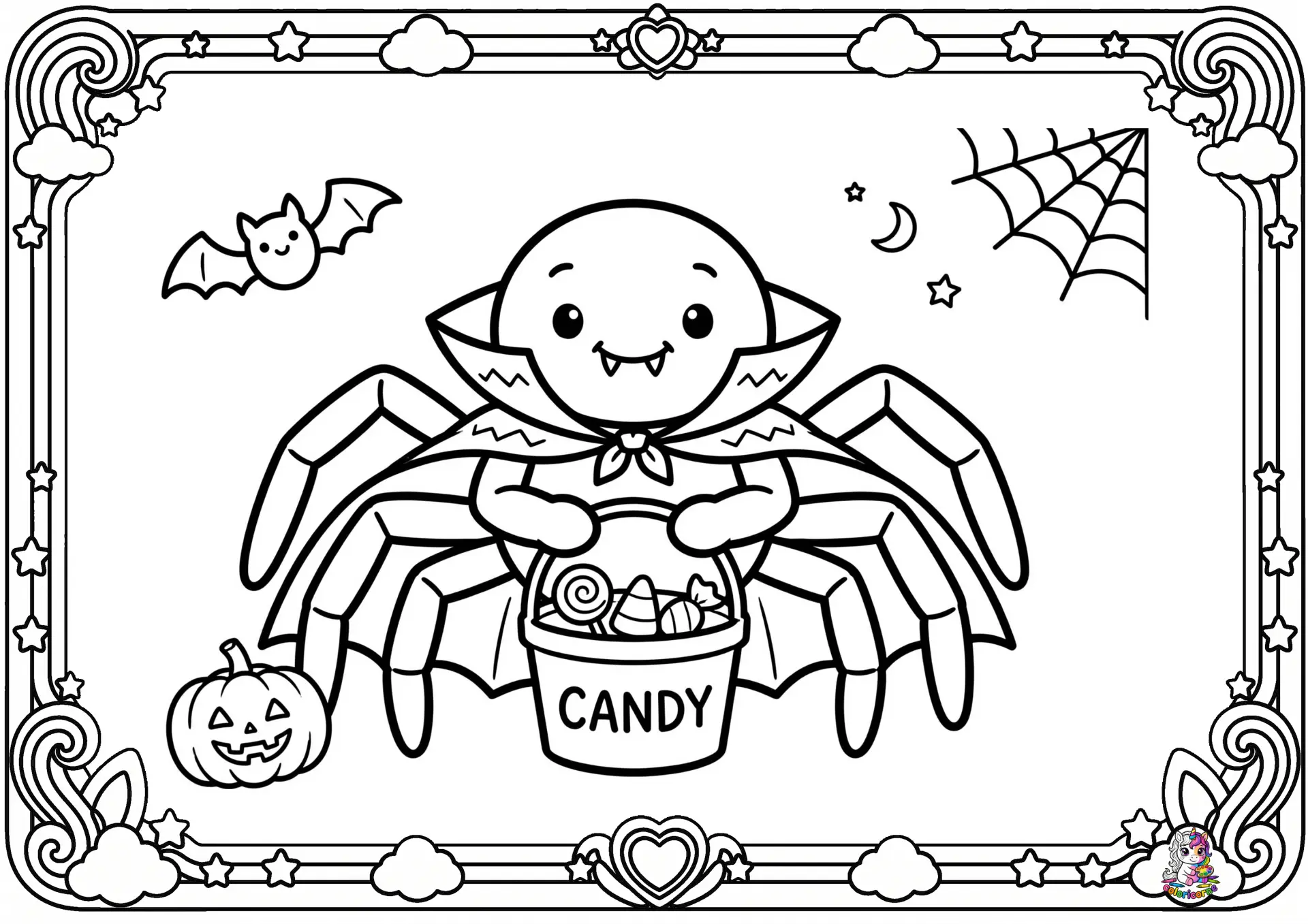 The vampire spider and her candy bucket
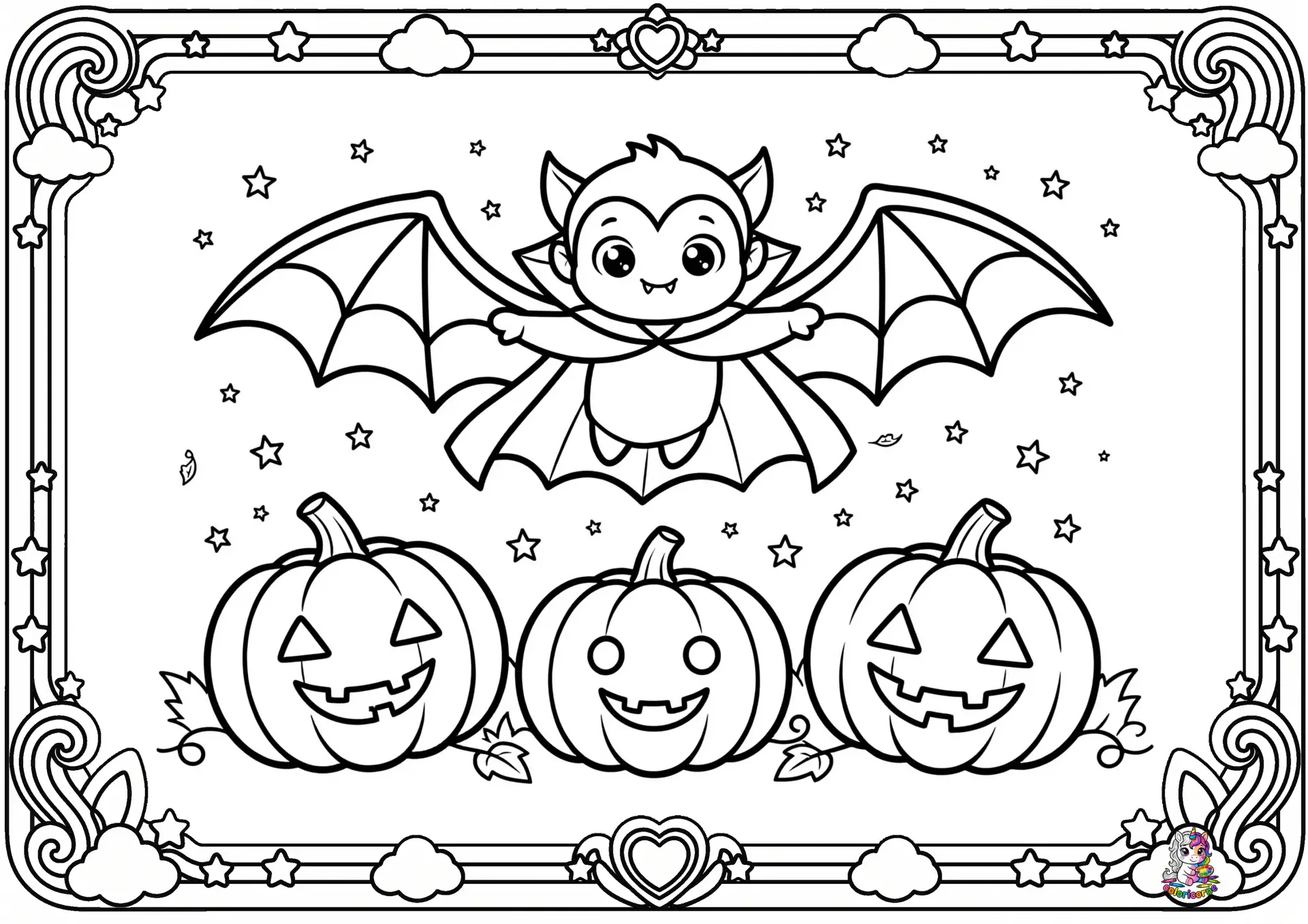 The vampire with bat wings
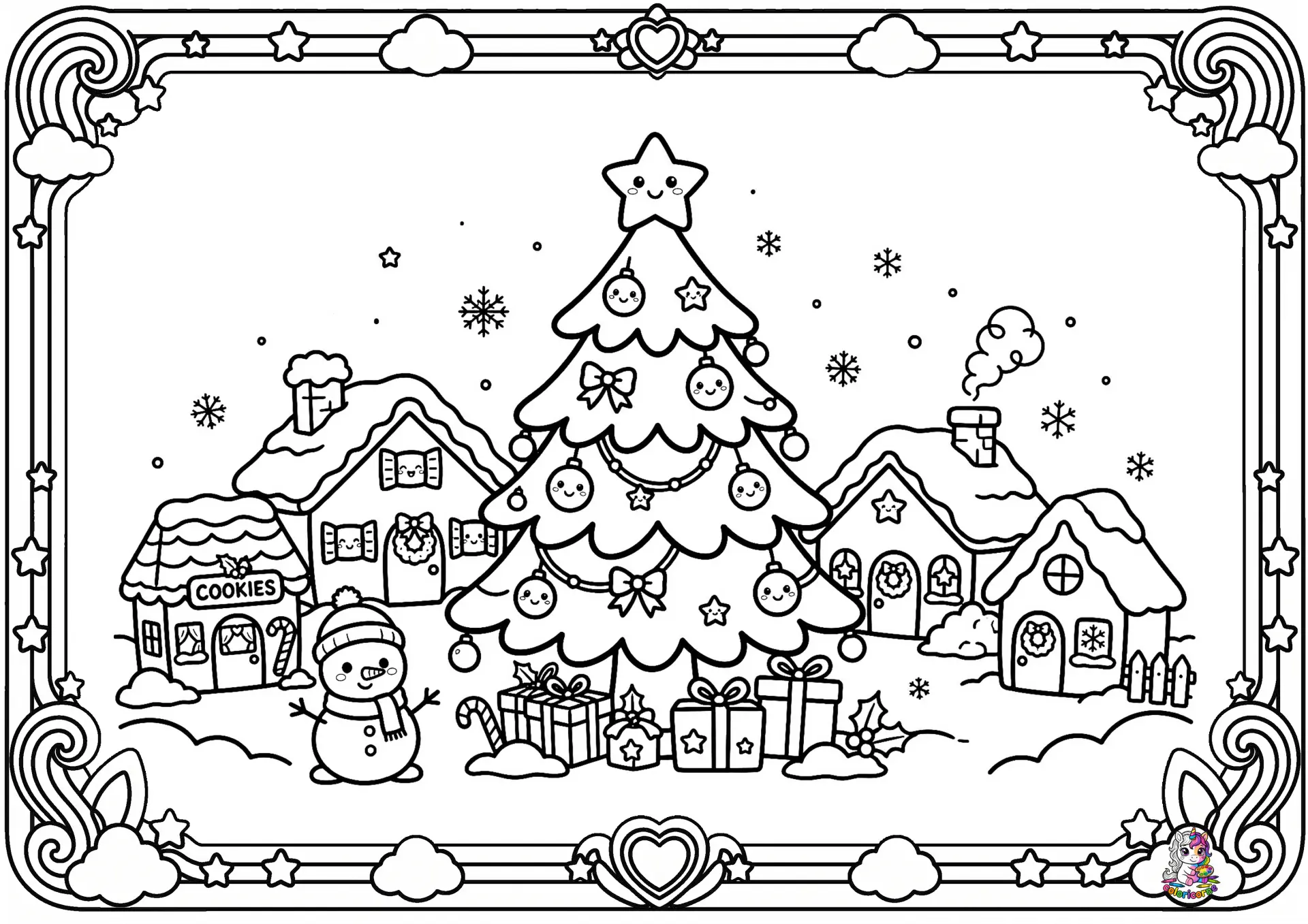 The village under the snow
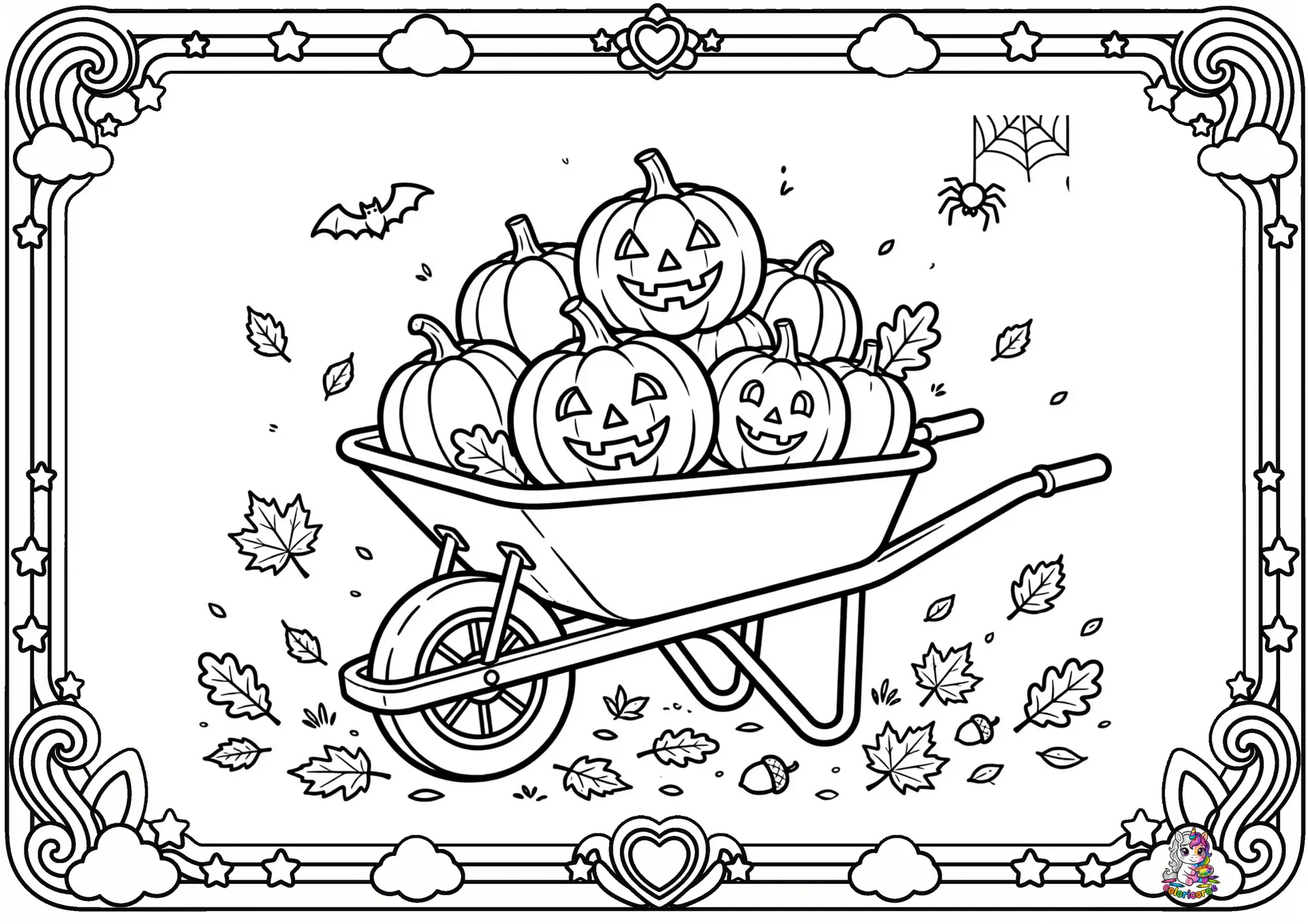 The wheelbarrow of Halloween pumpkins
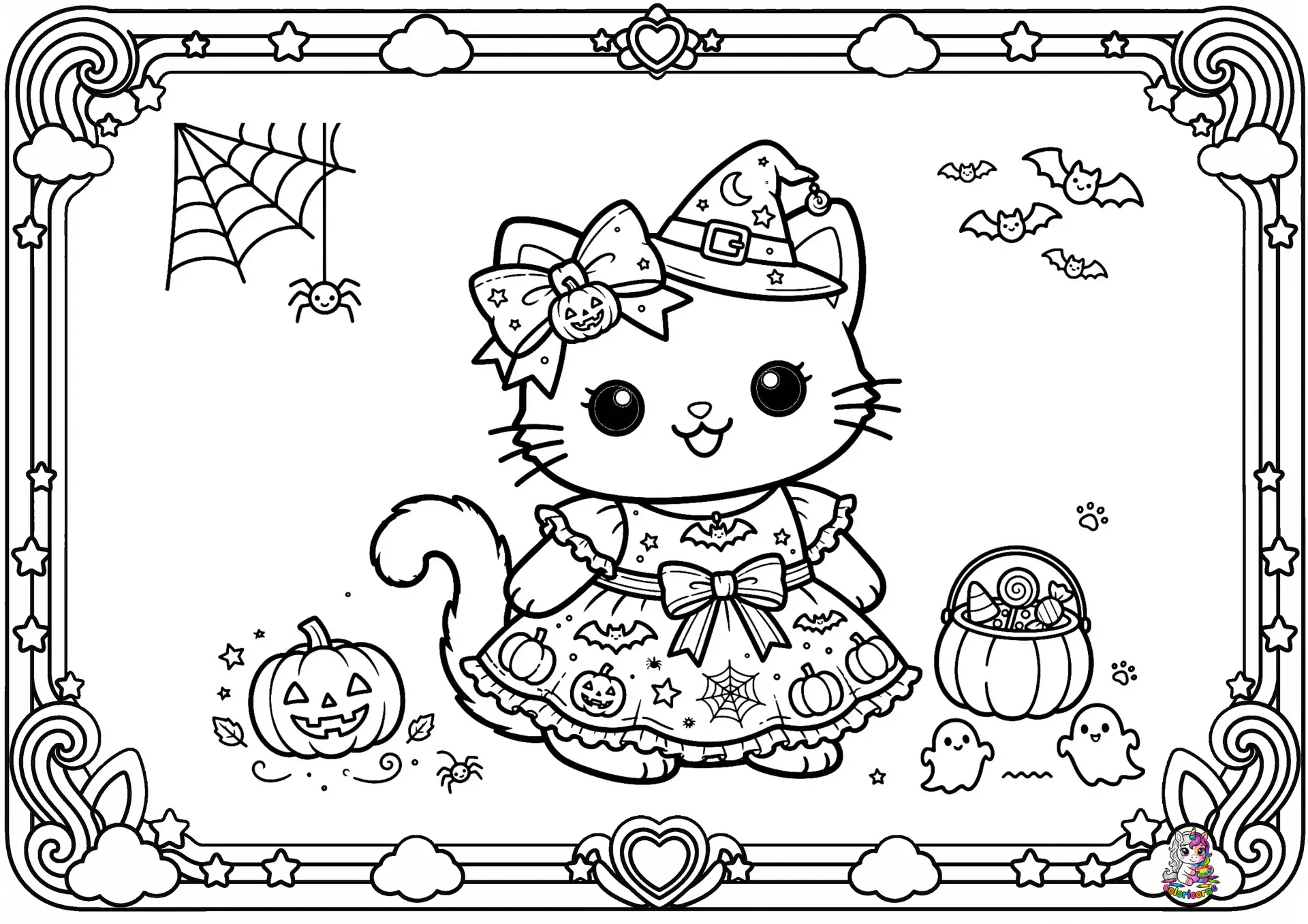 The witch cat and her pumpkin
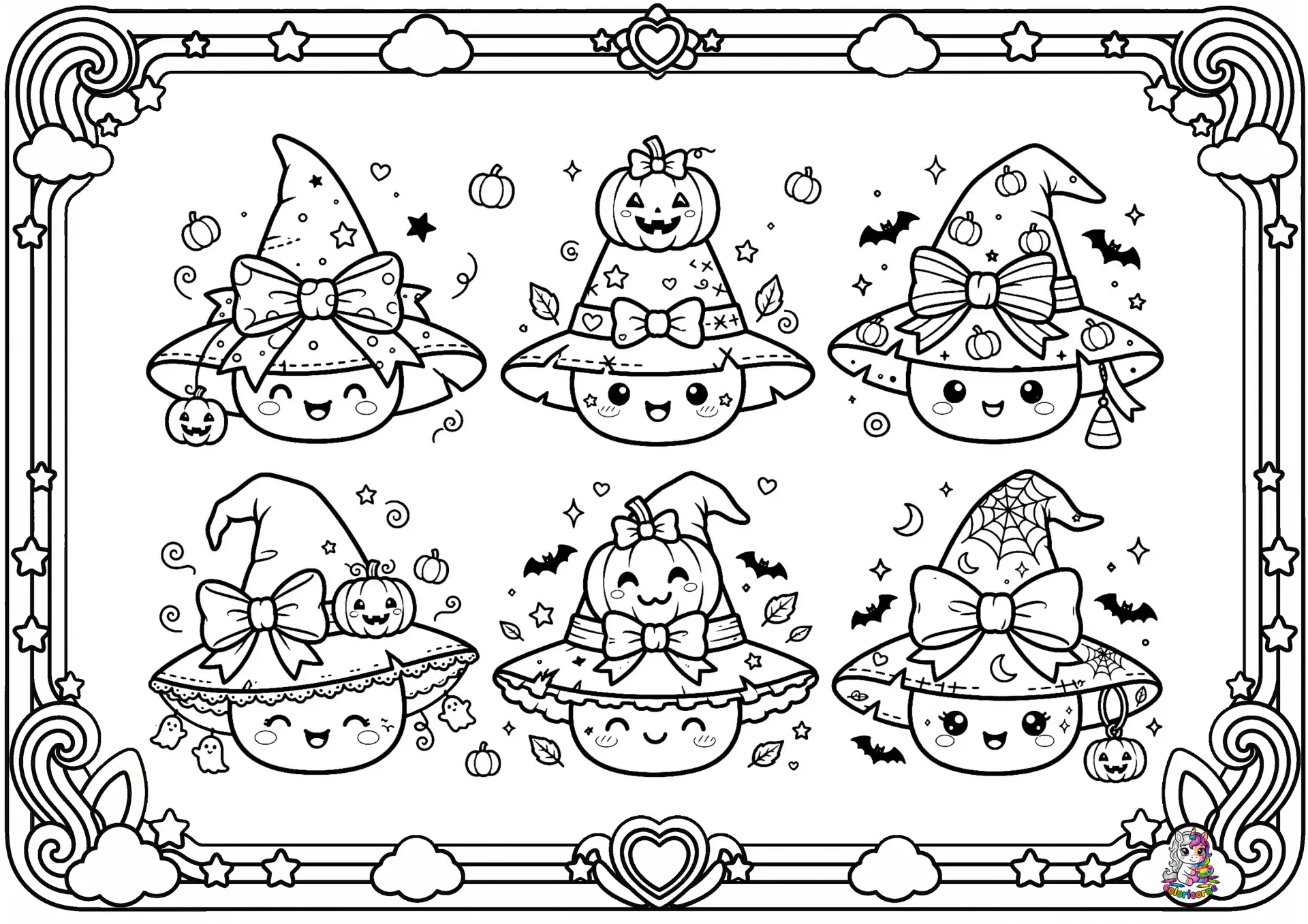 The witch hats
 The witch pumpkin and her broom
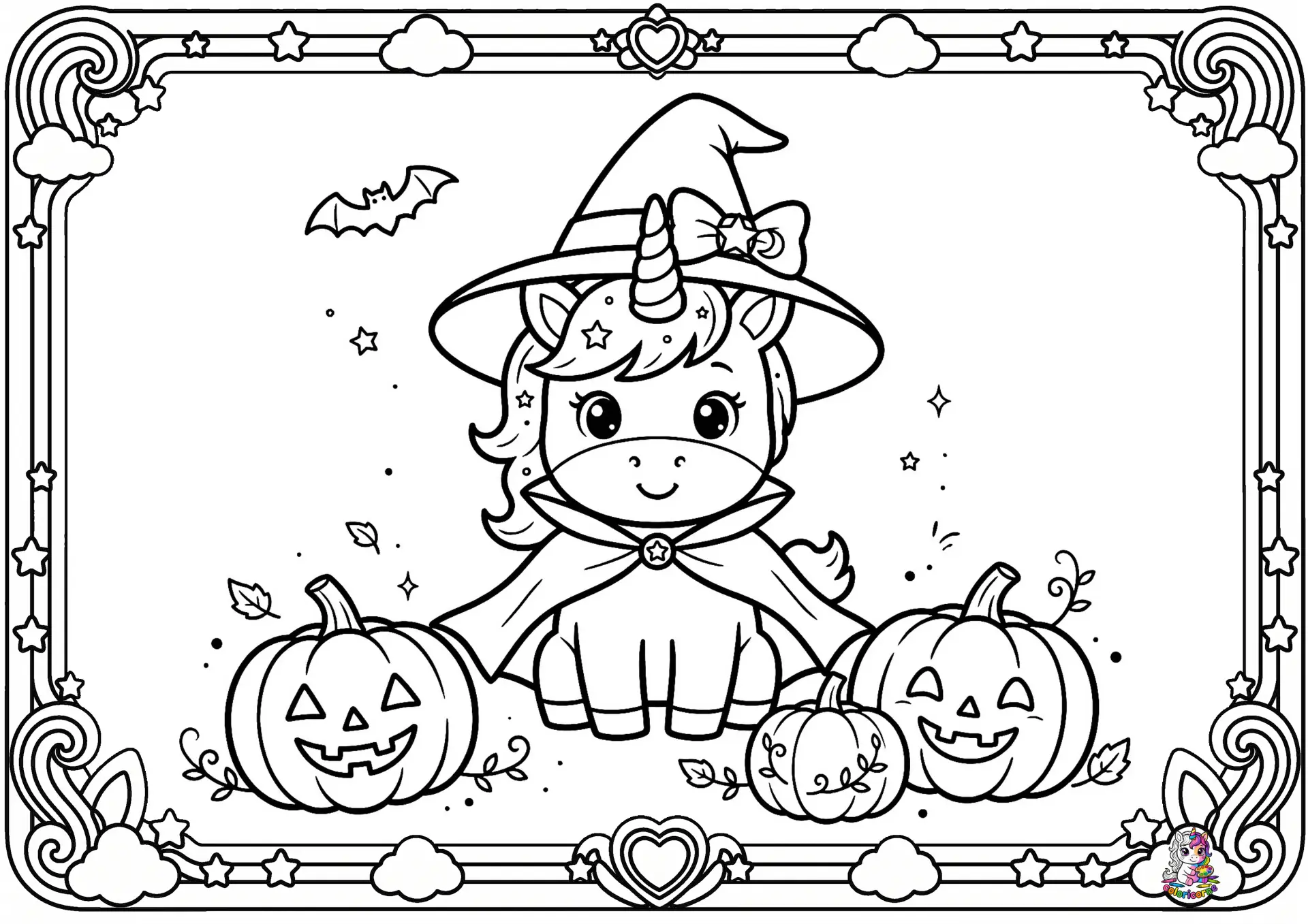 The witch unicorn
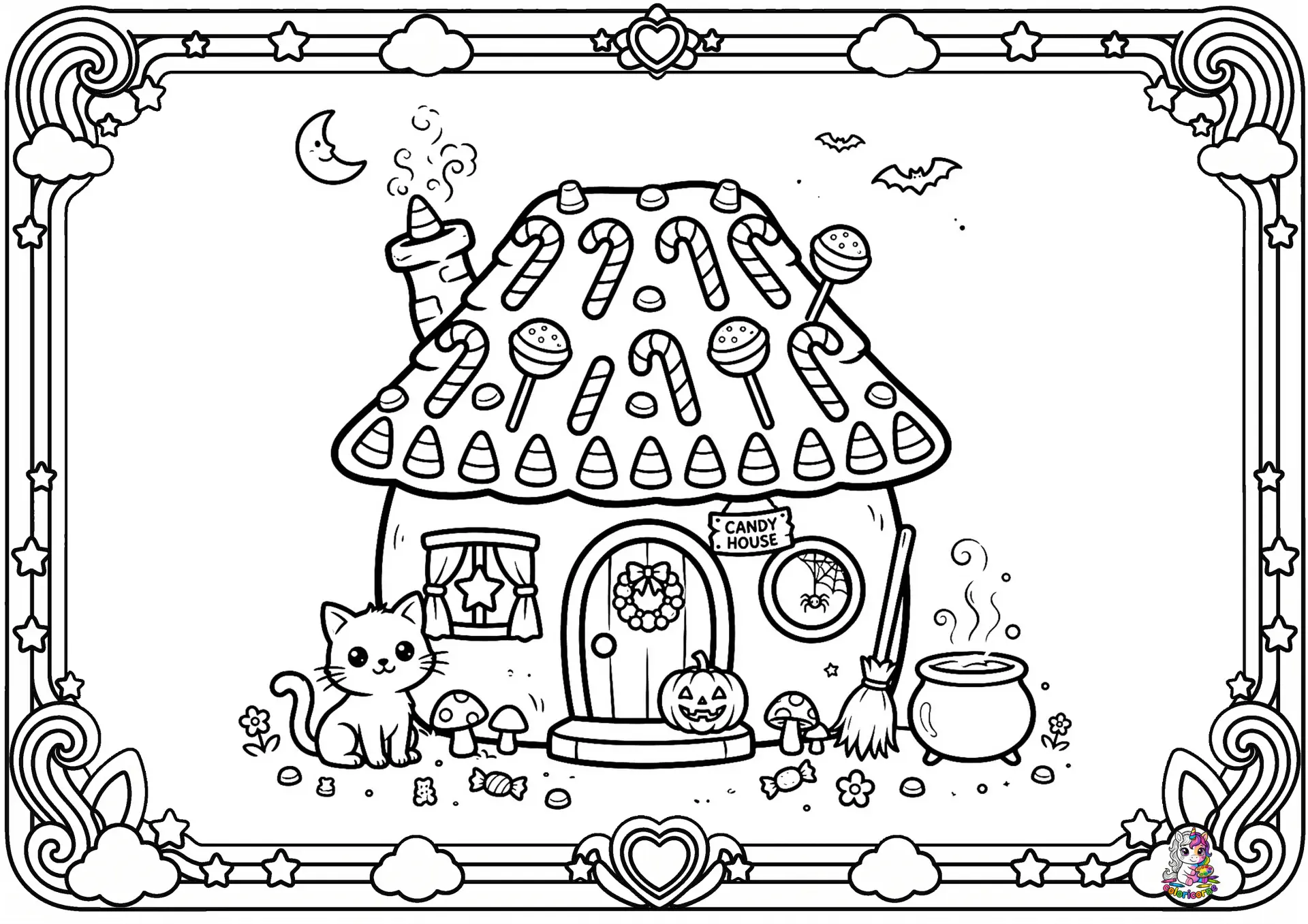 The witch’s candy house
 The witch’s cauldron
 The witch’s little bottles
 World’s Best Dad
 World’s Best Dad Trophy
 The pumpkin carriage
 The pumpkin scarecrow
 The Christmas boots
 The Christmas dresses
 The Christmas handbags
 The Christmas hats
 The Christmas outfits
 The Christmas shop window
 The Christmas tree dress
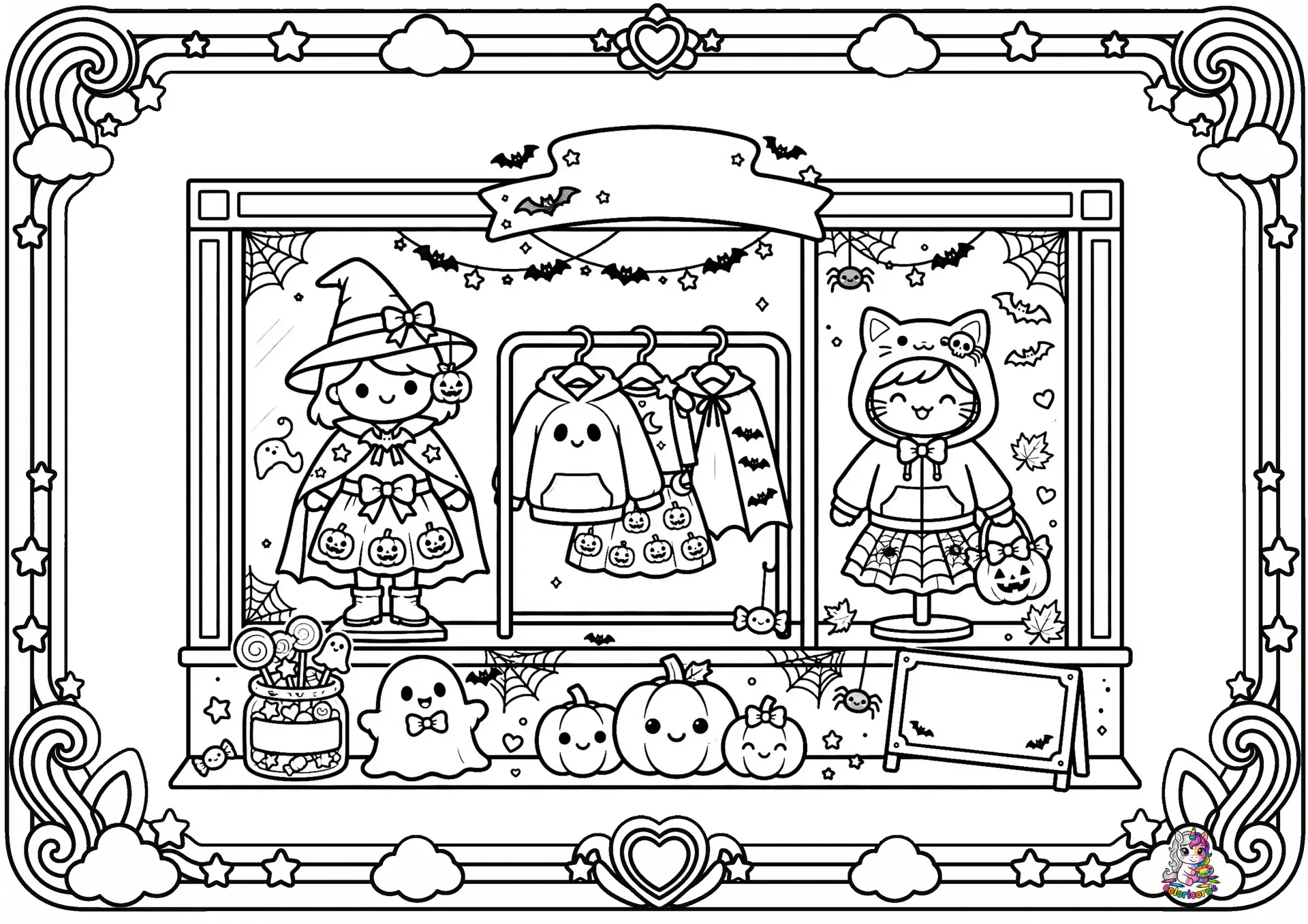 The Halloween costume window
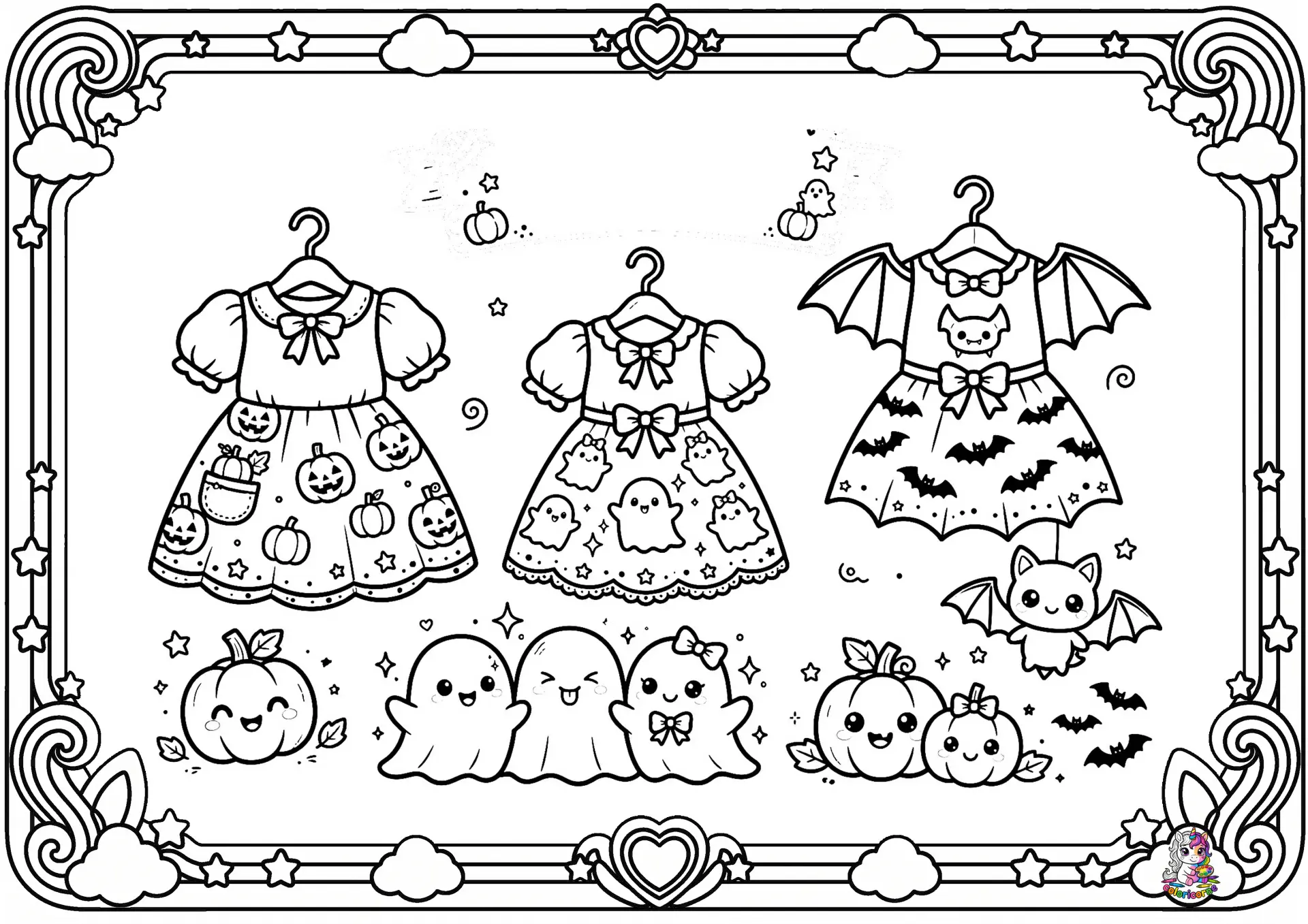 The Halloween dresses
 The Halloween handbags
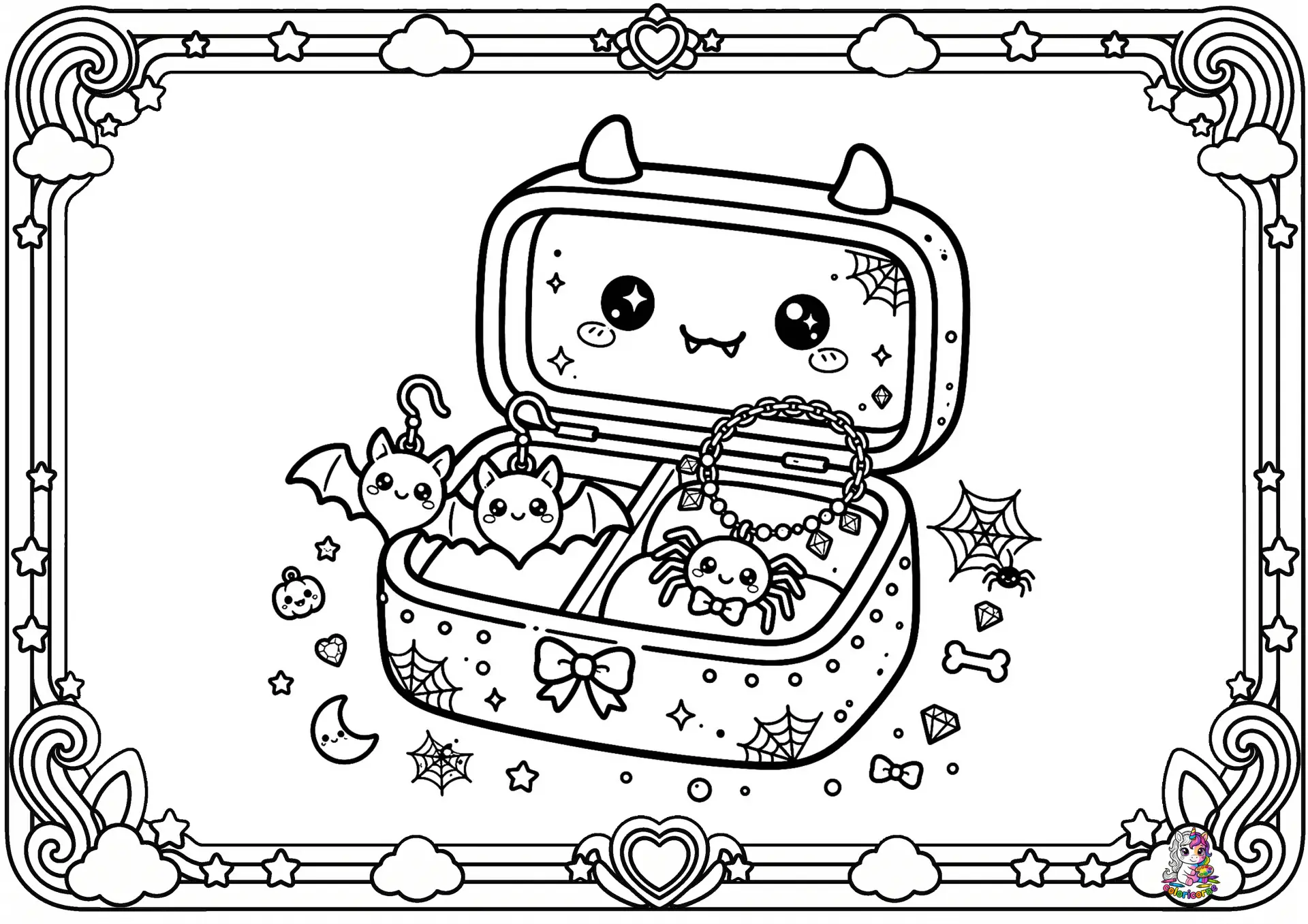 The Halloween jewelry box
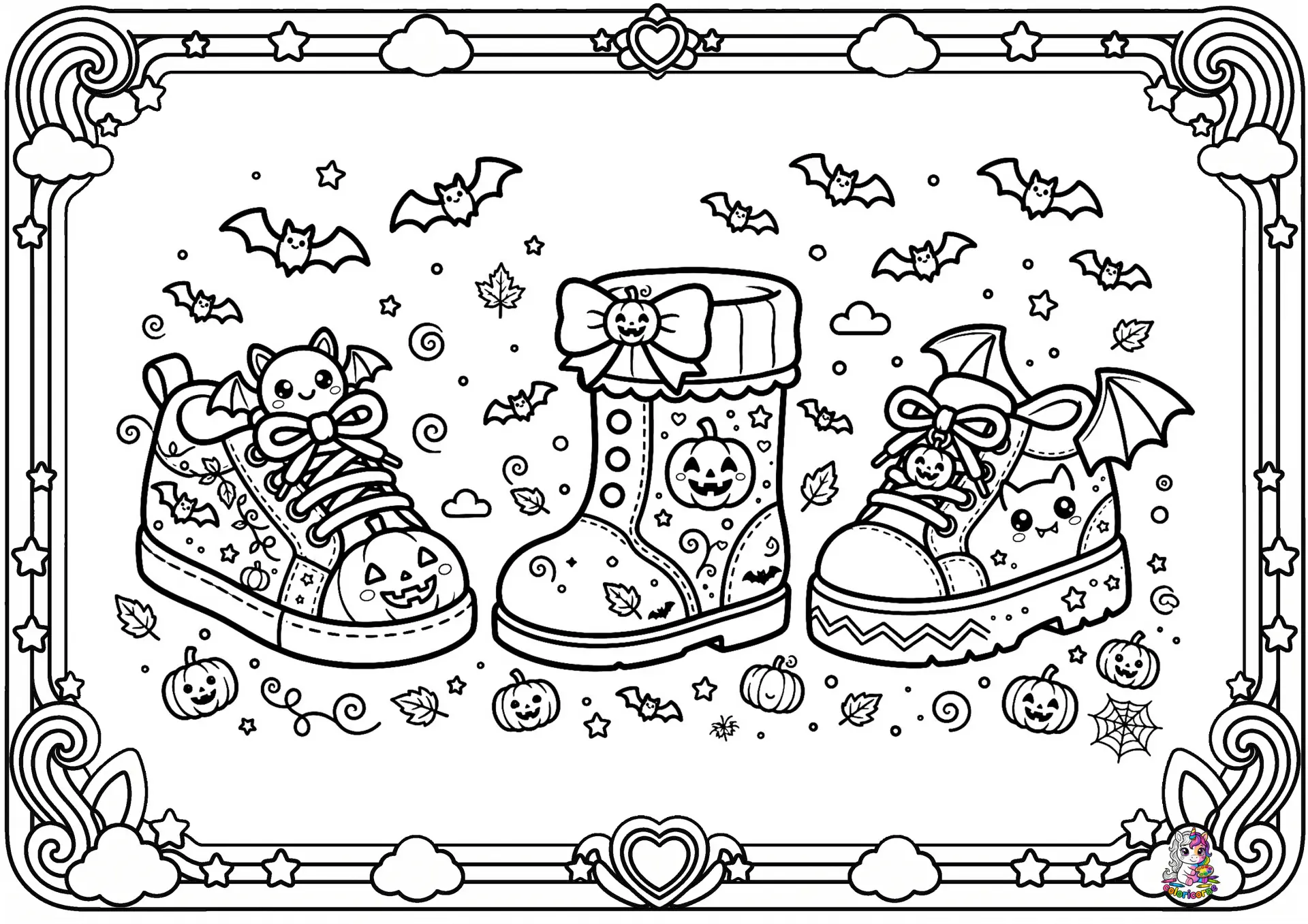 The Halloween shoes
 The little witch’s dressing table
 The reindeer Christmas sweater
 The Santa outfit to dress up in
 The snowflake jewelry
 The cat by the fireplace
 The present given to mom
 The little unicorn pony
 The unicorn with a crown
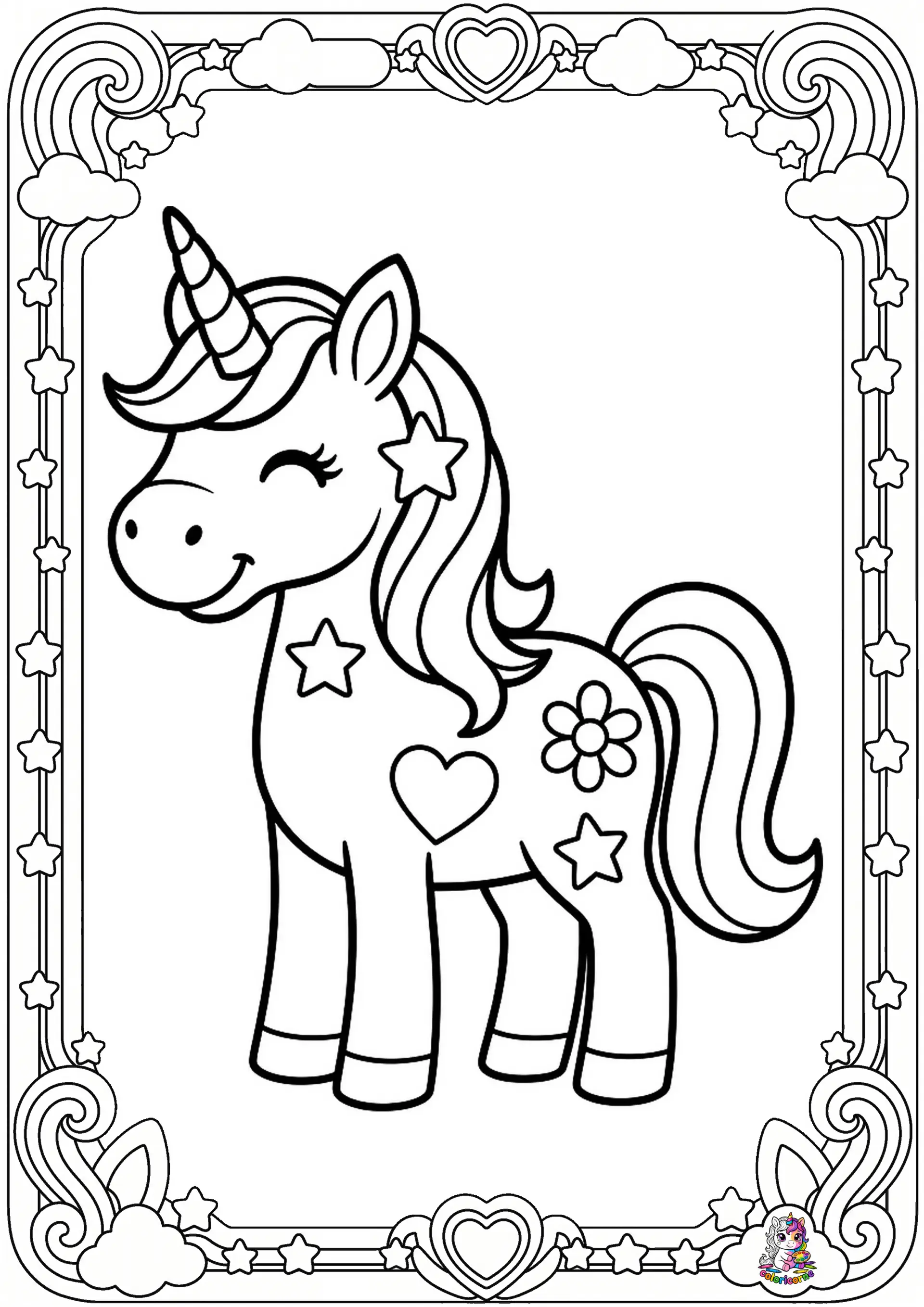 The unicorn with flowers
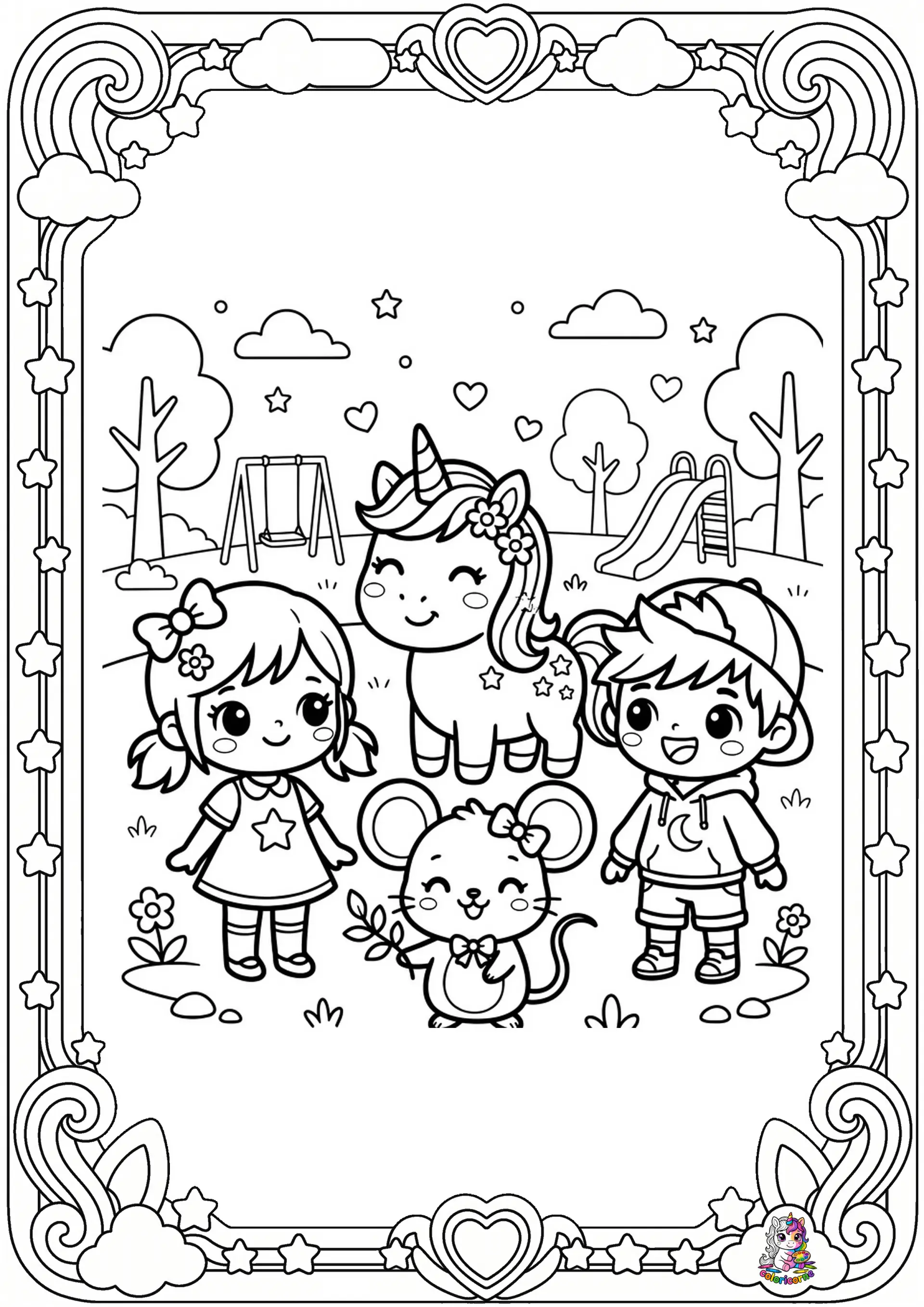 The park under the stars
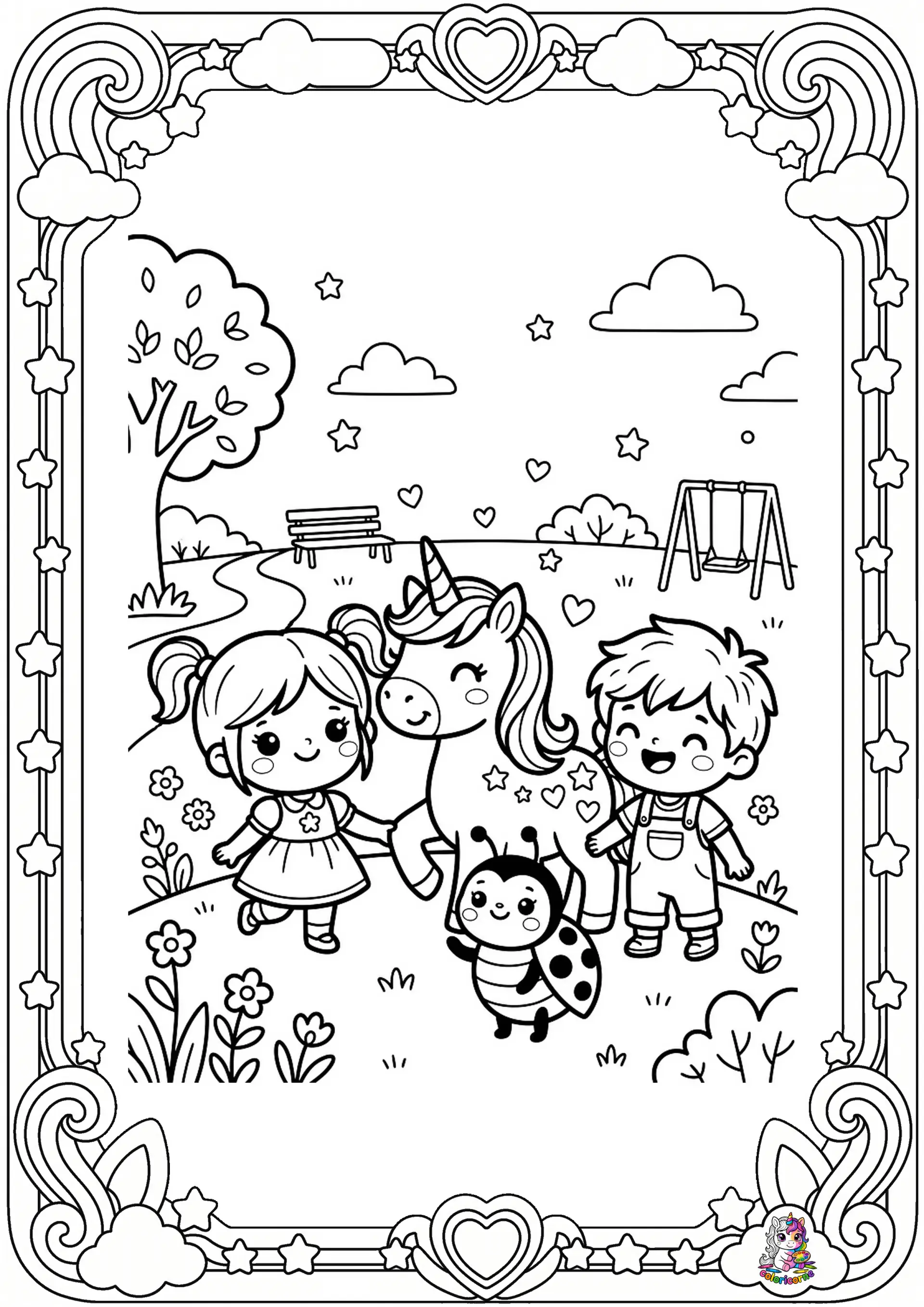 At the park with the unicorn
 The unicorn boat
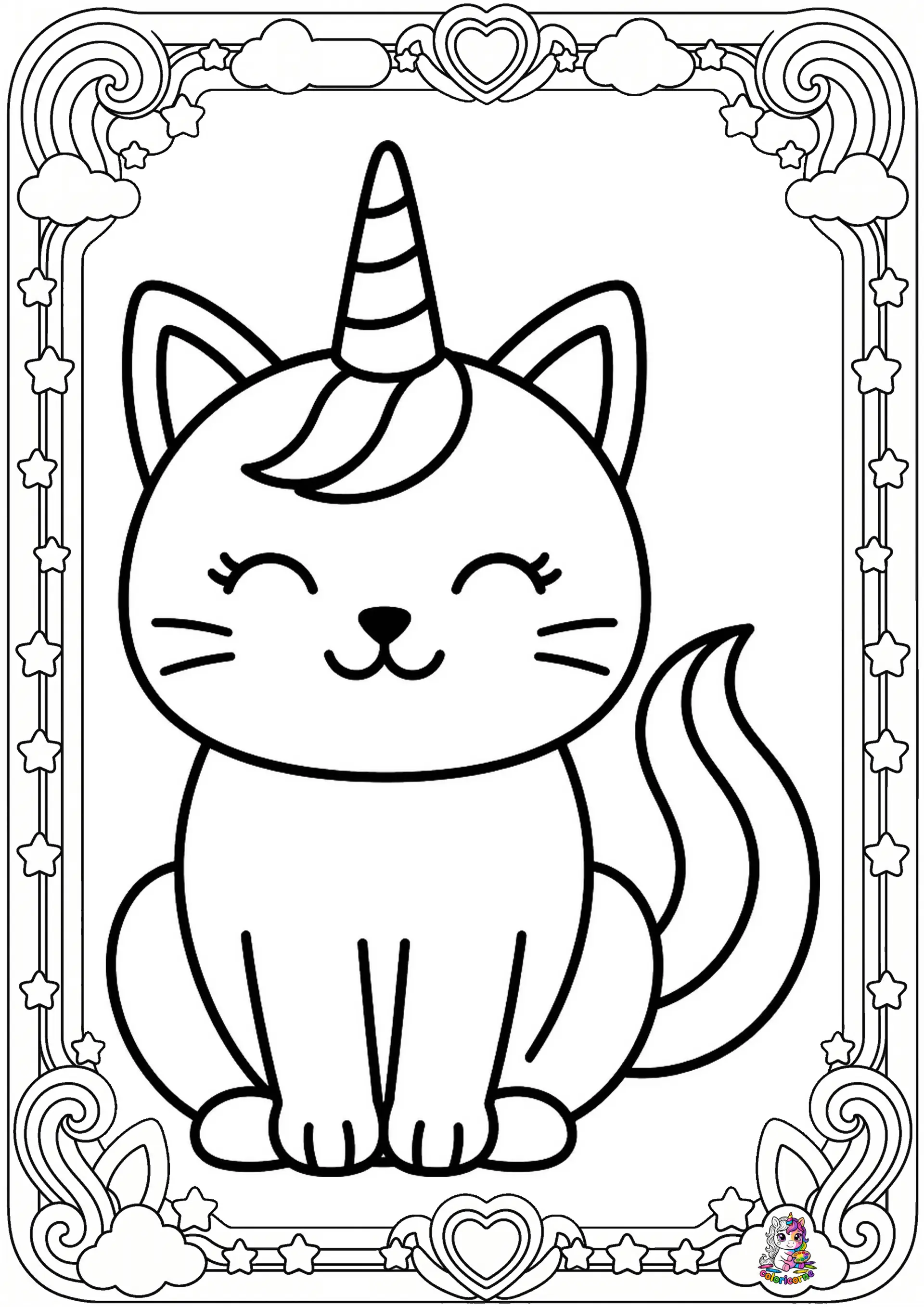 The cat
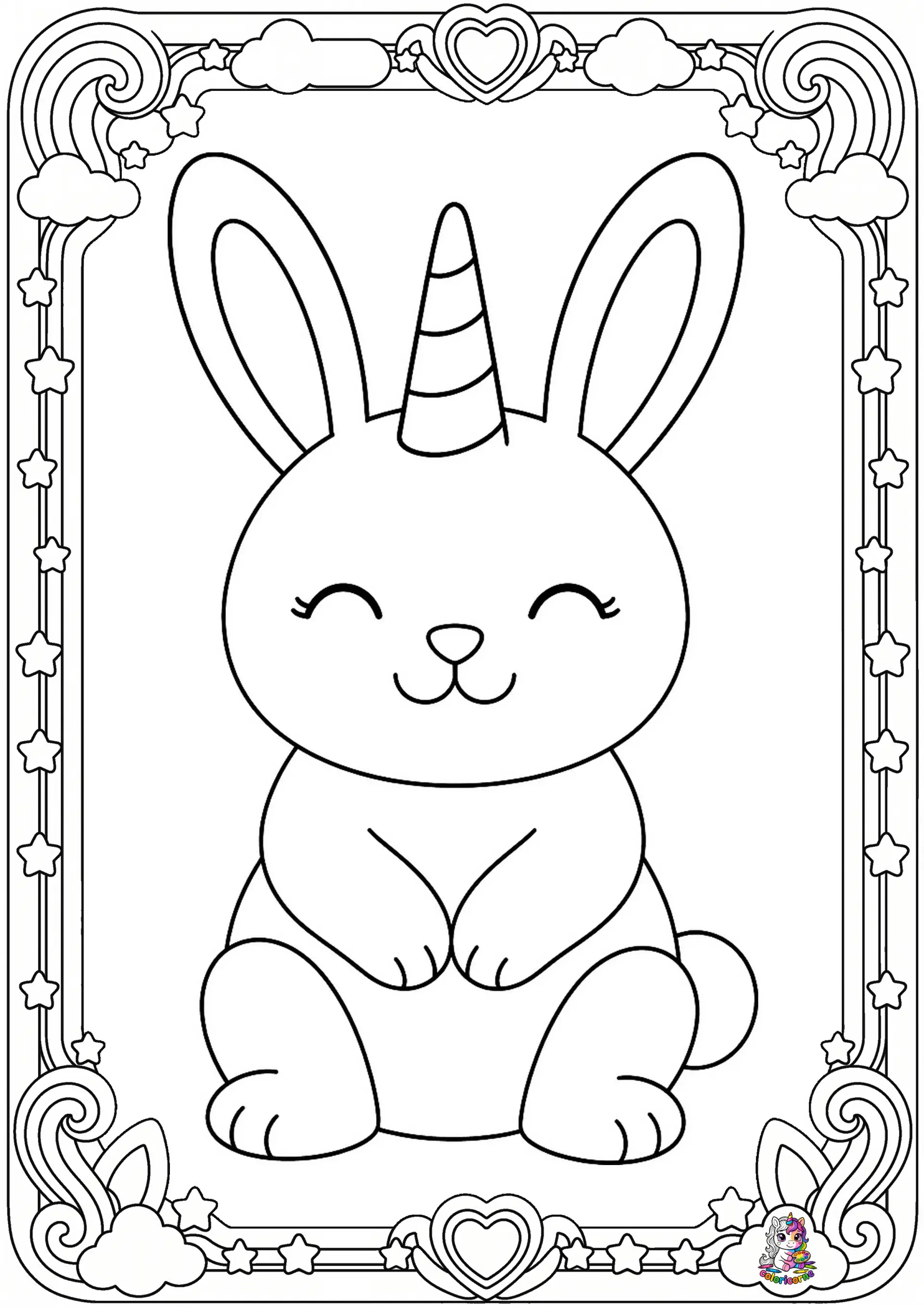 The rabbit
All the party sheets are gathered on the theme page, and the seasonal ones on the birthdays page.
Where to go next
- The whole catalogAll the pages, filtered by theme, age and season.
- Tips for parentsPaper, markers, light, the coloring corner.
- Kids craftsWays to keep going with a sheet that is already colored.
- Coloring pages by ageWhat a sheet asks of a child at 2, at 4 and at 6.
- The seriesOne French nursery rhyme per series, five sheets on its theme.
- Schools and daycareGroup use, and a sequence spread over several sessions.